
Ever walked into your home and been hit by an unpleasant odor? A house that doesn’t smell good can make your living space feel unwelcoming and uncomfortable. Not only does a foul smell affect your mood, but it can also impact your health. If you’re facing this issue, it’s time to address it before it becomes a bigger problem.
In this guide, you will discover 7 common reasons for bad odors in your home and how to effectively resolve each issue. By the end, you’ll have a fresh, inviting atmosphere that makes you feel proud to welcome guests.
You will learn about hidden sources of odor, how to identify them, and the specific steps to eliminate these smells. This guide is designed for beginner DIYers and takes approximately 1-2 hours to complete. Get ready to transform your home into a fragrant haven!
TL;DR Summary
- Identify the 7 common sources of bad smells in your house.
- Learn specific steps to eliminate each odor source.
- Transform your home into a fresher, more inviting space.
TL;DR Summary
Editor’s Choice

ARM & HAMMER Fridge-n-Freezer Baking Soda Odor Absorber, Helps Keep Food…


Activated Charcoal Odor Absorber for Strong Odors in Car, Closet, Shoe, …
ASAKUKI Essential Oil Diffuser for Home, 500ML Aromatherapy Diffuser Hum…
Prerequisites/Materials Needed
- Cleaning supplies (all-purpose cleaner, vinegar, baking soda)
- Air fresheners or essential oils
- Trash bags (large)
- Vacuum cleaner
- Dehumidifier (if necessary)
Prerequisites/Materials Needed
Editor’s Choice
ASAKUKI Essential Oil Diffuser for Home, 500ML Aromatherapy Diffuser Hum…

X-ALL Multi-Purpose Cleaner – Spray Bottle and 5x Cleaning Tablets – Cle…

Eva-Dry Wireless Mini Dehumidifier, White (E-333)
Skill Level & Time Estimate
Skill Level: beginner
Total Time Estimate: 1-2 hours. Here’s a breakdown:
- Identifying sources of odors: 15-30 minutes
- Cleaning and addressing specific issues: 45-90 minutes
Skill Level & Time Estimate
Editor’s Choice

ARM & HAMMER Fresh Effects Odor Neutralizing Baking Soda Pouches, Long-L…

BLUEAIR Blue Pure 211i Max Smart Air Purifier for Large Rooms up to 3,23…

Zep ZUAIR32 Air and Fabric Odor Eliminator 32 oz
Step 1: Identify Sources of Odor

Start by assessing your home for potential sources of unpleasant smells. Walk through each room and take note of areas that appear dirty or neglected. Use the following sub-steps:
- Check for trash cans that need emptying.
- Look for spills or stains on carpets and furniture.
- Inspect any pet areas for odors.
Pro Tip: Use your nose as your guide. Sometimes, specific areas will have a stronger smell that gives clues about the source.
Why this matters: Identifying the smell sources helps you tackle the problem efficiently. Ignoring them could lead to worsening odors. Time estimate for this step: 15-30 minutes.
Step 1: Identify Sources of Odor
Editor’s Choice

LEVOIT Air Purifier for Home Allergies Pet Hair in Bedroom, Covers Up to…

Hoover PowerScrub Deluxe Carpet Cleaner Machine, Deep Cleaning Carpet Sh…

Fresh Wave Odor Eliminator Spray & Air Freshener, 8 oz. | Pack of 2 | No…
Step 2: Clean Your Kitchen
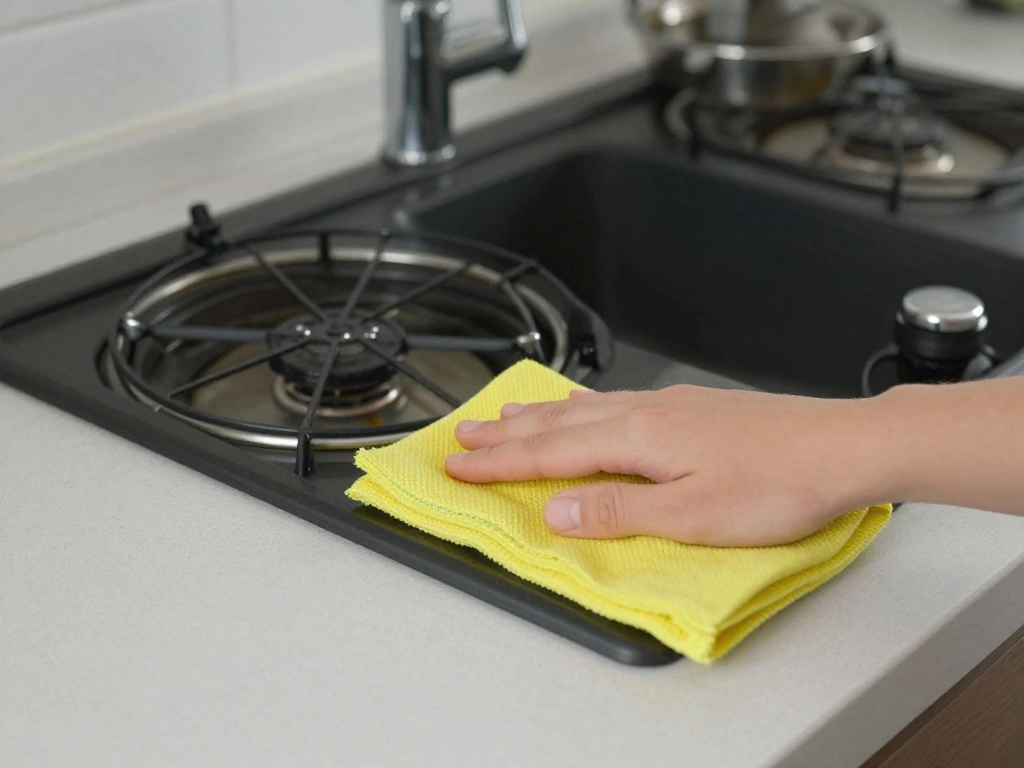
The kitchen can be a major source of bad smells due to food residue. Here’s how to ensure your kitchen smells fresh:
- Empty the trash and clean the bin with an all-purpose cleaner.
- Wipe down surfaces, especially around the stove and sink.
- Check the refrigerator for expired food and throw it out.
Warning: Avoid using too much cleaner on surfaces that can be harmed by harsh chemicals.
Why this matters: A clean kitchen minimizes odors and keeps your home smelling good. Time estimate for this step: 30-45 minutes.
Step 2: Clean Your Kitchen
Editor’s Choice
MRS. MEYER’S CLEAN DAY All-Purpose Cleaner Spray, Cruelty Free Formula, …

Febreze Trash Odor Fighter, Trash Can Air Freshener, Stick-On Deodorizer…

Purriko Refrigerator Deodorizer,Lasts up to 10 Years,Refrigerator Odor E…
Step 3: Address Pet Odors
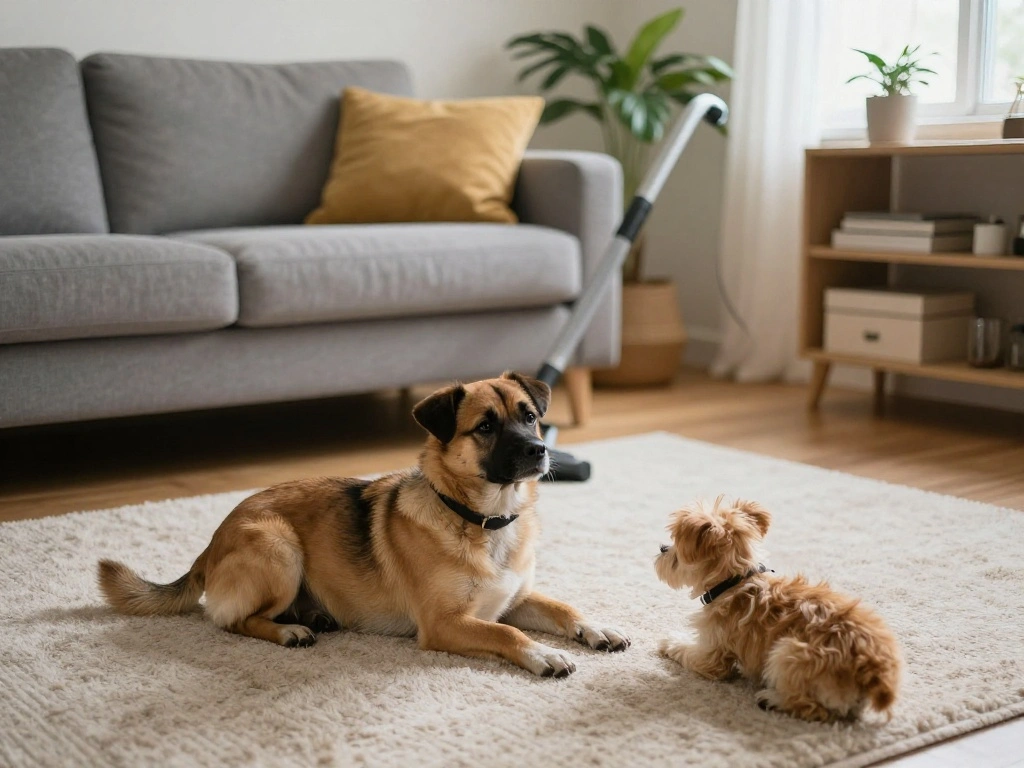
Pets can leave behind lingering smells. To combat this, follow these steps:
- Vacuum carpets and upholstery thoroughly.
- Wash pet bedding and toys regularly.
- Use enzymatic cleaners on any stains or spots.
Pro Tip: Consider using a pet-specific odor neutralizer for the best results.
Why this matters: Eliminating pet odors creates a more pleasant environment, especially for guests. Time estimate for this step: 30-45 minutes.
Step 3: Address Pet Odors
Editor’s Choice

Pet Laundry Detergent Odor Remover – ACTIVE Enzyme Based Powder Detergen…
Bissell Pet Hair Eraser Allergen Lift-Off with Powerful Suction, HEPA, T…

Rocco & Roxie Supply Co. Stain & Strong Odor Eliminator, Enzyme Cleaner,…
Step 4: Improve Ventilation
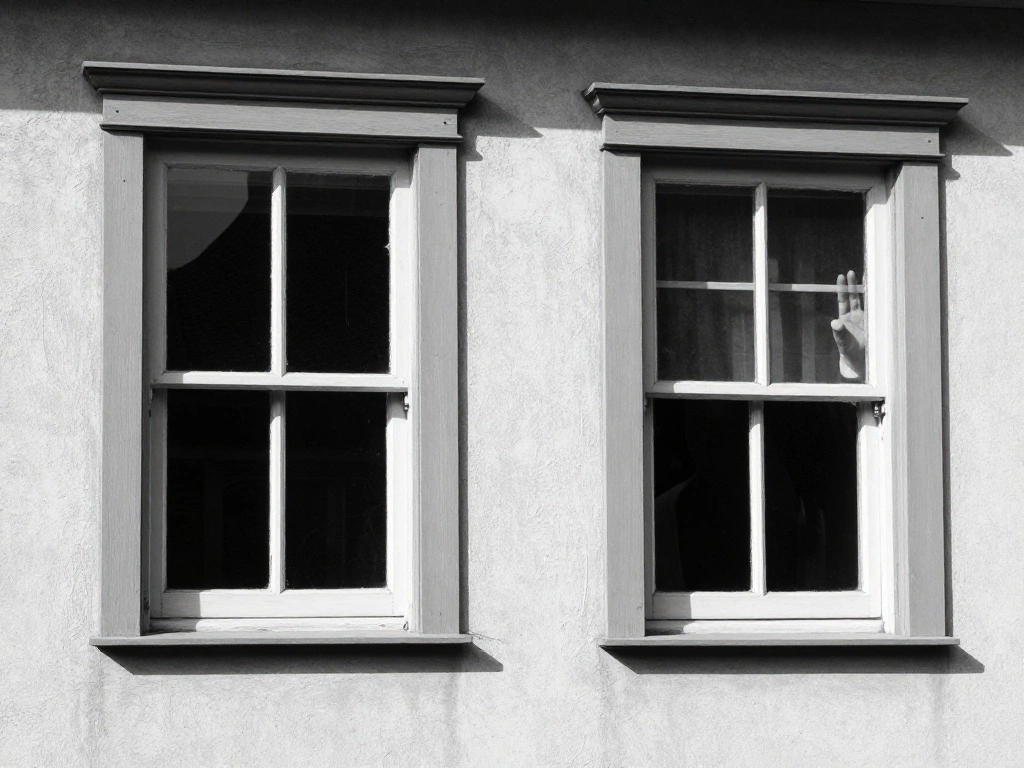
Stale air can contribute to bad smells. Here’s how to improve ventilation:
- Open windows to allow fresh air in.
- Use exhaust fans while cooking or showering.
- Consider investing in an air purifier.
Pro Tip: If weather permits, keep windows open for a few hours each day to refresh indoor air.
Why this matters: Good airflow reduces stale odors, making your home feel more inviting. Time estimate for this step: 15-30 minutes.
Step 4: Improve Ventilation
Editor’s Choice

Comfort Zone 9-Inch 3-Speed Reversible Twin Window Fan – Dual Blade Wi…
LEVOIT Air Purifier for Home Allergies Pet Hair in Bedroom, Covers Up to…
Step 5: Check for Mold and Mildew
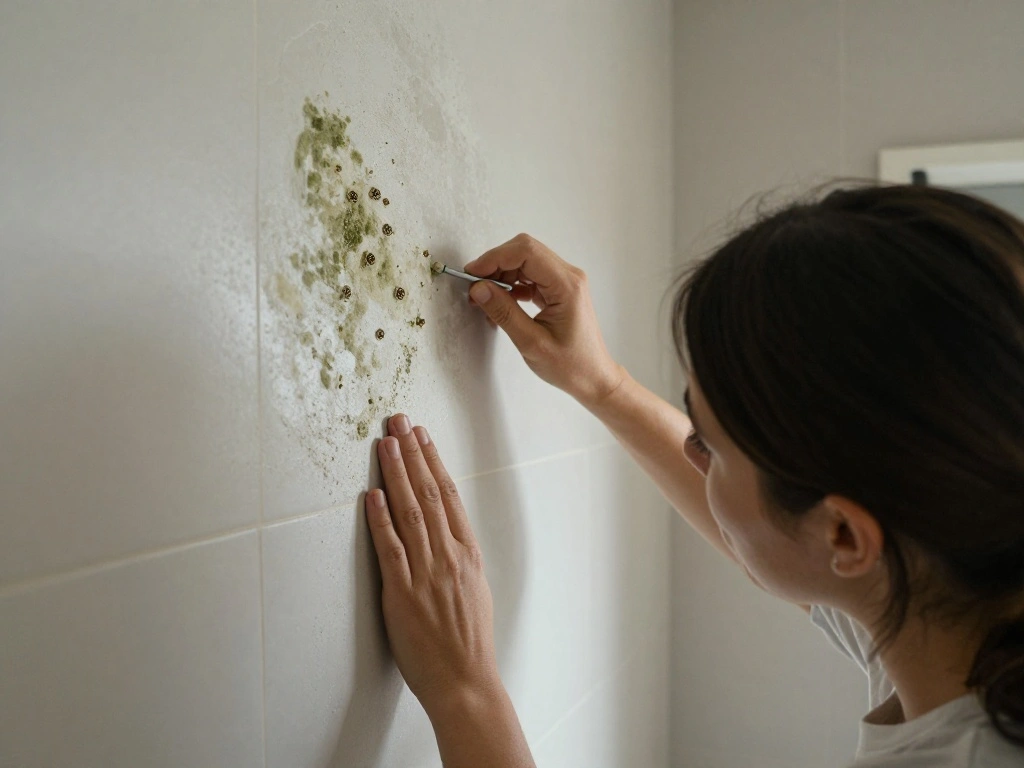
Mold and mildew can produce musty odors. To check for and eliminate these sources:
- Inspect damp areas like bathrooms and basements.
- Look for discoloration on walls or ceilings.
- Use a mixture of vinegar and water to clean affected areas.
Warning: If you find extensive mold, consider calling a professional for removal.
Why this matters: Addressing mold is crucial for your health and a pleasant smelling home. Time estimate for this step: 30-45 minutes.
Step 5: Check for Mold and Mildew
Editor’s Choice
ZEP Professional Sprayer Bottle, 32 oz, Pack of 3, HDPRO1 | Versatile Ad…

Dehumidifier, 95OZ Dehumidifier for Home 1000 Sq.Ft – Quiet with Auto Sh…

STAR BRITE Professional-Grade Mildew & Mold Stain Remover + Cleaner – In…
Step 6: Freshen Up Fabrics
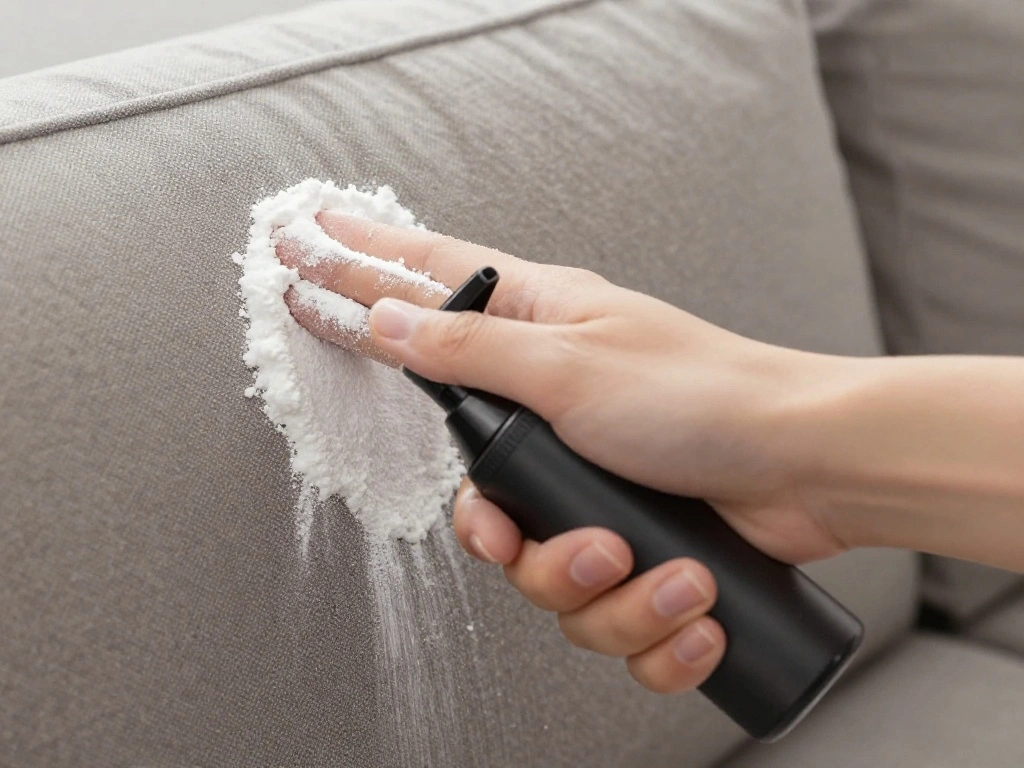
Fabrics can absorb odors over time. Here’s how to refresh them:
- Launder curtains, cushion covers, and other washable fabrics.
- Sprinkle baking soda on carpets and upholstery, let sit, then vacuum.
- Consider using fabric fresheners or essential oils.
Pro Tip: Make a mixture of water and essential oils in a spray bottle to lightly mist fabrics.
Why this matters: Fresh fabrics contribute significantly to overall home fragrance. Time estimate for this step: 30-40 minutes.
Step 6: Freshen Up Fabrics
Editor’s Choice


Febreze Fabric Spray Air Freshener, Odor-Fighting Fabric Refresher, Snea…

HIQILI Vanilla Essential Oil – 1 Fl Oz / 30ML | Beginner-Friendly for Ma…
Step 7: Use Air Fresheners Wisely
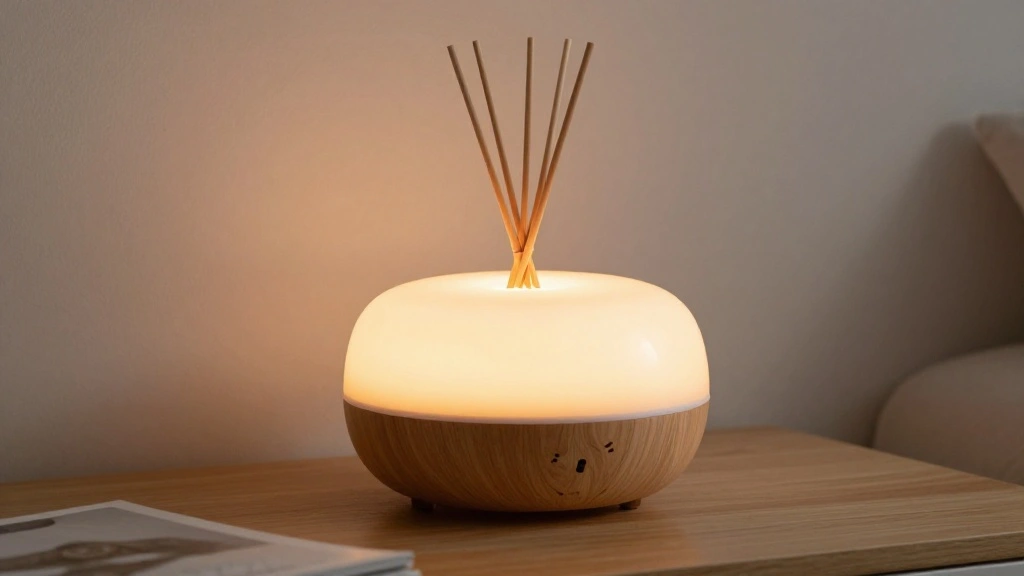
Finally, enhance your home’s scent with air fresheners. Here’s how to use them effectively:
- Choose scents that complement your home’s atmosphere.
- Use diffusers or candles in key areas like the living room.
- Make sure not to overdo it; a subtle scent is best.
Pro Tip: Essential oils can provide a natural and pleasant alternative to synthetic air fresheners.
Why this matters: The right scent can uplift your mood and create a welcoming space. Time estimate for this step: 15-20 minutes.
Step 7: Use Air Fresheners Wisely
Editor’s Choice
ASAKUKI Essential Oil Diffuser for Home, 500ML Aromatherapy Diffuser Hum…

Yankee Candle Sage & Citrus, Scented Candle, 22oz Large Jar with up to 1…

Essential Oils Set by Pure Aroma – Top 6 Aromatherapy Oils Gift Set-6 Pa…
Pro Tips
- Regular Cleaning: Establish a cleaning routine to prevent odors from building up.
- Natural Deodorizers: Use bowls of vinegar or baking soda around the house to absorb odors.
- Seasonal Maintenance: Perform deeper cleaning and checks for mold and mildew during seasonal changes.
- Monitor Humidity: Keep humidity levels in check to prevent mold growth.
- Fresh Flowers: Place fresh flowers around the home for a natural scent boost.
Pro Tips
Editor’s Choice

Air Purifiers for Home Large Room, Cover Up to 2400 Ft² with True HEPA …
ASAKUKI Essential Oil Diffuser for Home, 500ML Aromatherapy Diffuser Hum…
Dehumidifier, 95OZ Dehumidifier for Home 1000 Sq.Ft – Quiet with Auto Sh…
Common Mistakes to Avoid
Warning: Ignoring hidden areas can lead to persistent smells. Always check under furniture and behind appliances.
Warning: Overusing air fresheners can mask odors instead of eliminating them. Focus on cleaning first.
Warning: Using the wrong cleaning products can damage surfaces and create more odors. Always check labels before use.
Common Mistakes to Avoid
Editor’s Choice
LEVOIT Air Purifier for Home Allergies Pet Hair in Bedroom, Covers Up to…

Azuna Air Freshener and Odor Eliminator for Strong Odor Gel 12oz Refill …

Cat Litter Deodorizer, Pet Odor Eliminator for Home, Litter Box Deodoriz…
Troubleshooting Section
Problem: Persistent odors after cleaning.
Solution: Recheck all sources, especially hidden areas like under sinks or behind appliances.
Problem: Smells return quickly.
Solution: Invest in an air purifier to continuously filter the air.
Problem: Noticeable pet odor despite cleaning.
Solution: Use enzymatic cleaners specifically designed for pet stains.
Problem: Mold keeps appearing.
Solution: Consider professional mold remediation if it persists.
Problem: Strong cooking odors linger.
Solution: Improve ventilation and clean surfaces immediately after cooking.
Troubleshooting Section
Editor’s Choice

Pet Stain & Odor Remover – Enzymatic Dog & Cat Urine Cleaner, 93% Natu…

Amazon Basics Gel Odor Eliminator, Activated Charcoal, Lavender Scent, 1…
Air Purifiers for Home Large Room, Cover Up to 2400 Ft² with True HEPA …
Variations/Alternative Methods
Consider these variations for managing odors:
- Using natural alternatives like citrus peels or coffee grounds can absorb smells instead of masking them.
- For heavy odors, consider professional cleaning services that specialize in odor removal.
- Regularly use an ozone generator for deep odor removal in extreme cases.
Variations/Alternative Methods
Editor’s Choice

Spray Nine 26832 Heavy Duty Cleaner, Degreaser & Disinfectant for Kitche…

CoffeeVac 1LB – Patented Airtight Container | Multi-use Vacuum contain…

Ozone Generator for Car, 2-in-1 Ozone Machine+ Air Ionizer to Clean Pet …
FAQs
- What if I don’t have vinegar? You can use baking soda mixed with water as a natural cleaner.
- How long should I let baking soda sit on carpets? Let it sit for at least 15 minutes for best results.
- Is it safe to use essential oils around pets? Yes, but always check for specific oils that might be harmful to your pet.
- What if the odor doesn’t go away? Reassess your cleaning efforts and check for hidden sources of the smell.
- Can I use bleach to clean odors? Yes, but use it sparingly and ensure proper ventilation.
FAQs
Editor’s Choice

Fresh Wave Odor Removing Gel, 7 oz., Pack of 3 – Odor Absorbers for Home…

The AirScent Waterless Diffuser – Cold Air Scent Diffuser Oil Machine fo…

Air Purifiers for Home with High Efficiency Filter Up to 1076 Ft² for P…
Conclusion
Congratulations! You’ve taken essential steps to eliminate unpleasant odors from your home. By following this guide, you’ve created a fresher, more inviting space for yourself and your guests. Remember that maintaining a pleasant smell is an ongoing effort, so keep practicing these tips regularly.
As a next step, consider exploring natural air freshening options or investing in an air purifier for long-term freshness. Your home is now a reflection of your commitment to cleanliness and comfort. Keep it up!