Lighting can make or break the vibe of a room, and if you’ve dabbled in home decor, you know just how vital it is to get it right. With LED lights becoming an increasingly popular choice for homeowners, knowing how to use them effectively is crucial. That’s why I created this guide—to help you identify and avoid common LED light mistakes that can compromise your home’s aesthetic.
If you’re someone passionate about interior design or just want your living spaces to glow with charm, this post is for you. You’ll find valuable insights into how to place LED lights correctly, choose the right color temperature, and much more. I’ve compiled tips that are practical, easy to follow, and, most importantly, tailored to elevate your home’s ambiance.
Ready to transform your space and avoid any lighting blunders? Let’s dive into the six LED light mistakes that can easily ruin the aesthetic of your home.
Key Takeaways
– Avoid Overusing LED Strips: While they add flair, too many can create a cluttered look. Use them sparingly to highlight areas instead.
– Consider Color Temperature: Ignoring the warmth or coolness of light can affect mood and comfort. Aim for warmer tones in living spaces and cooler in work areas.
– Placement Matters: Poorly positioned fixtures can lead to unflattering light and shadows. Follow a plan that emphasizes key areas like artwork and seating.
– Install Dimmer Switches: Without them, you may miss out on the flexibility to change ambiance easily. Dimmers allow for different moods and occasions.
– Don’t Neglect Natural Light: Relying solely on artificial light can lead to a dim, lifeless space. Balance your design with ample natural light for a brighter, more inviting atmosphere.
Recommended Products

Warm White and Daylight White : Dimmable Under Cabinet Lights Plug-in LED Strip Lights for kitchen, 6 PCS pre-cut LED lights strip. White cabinet light Suitable for DIY your kitchen, cabinet, closet, counter, shelf, TV back, showcase and anywhere you want
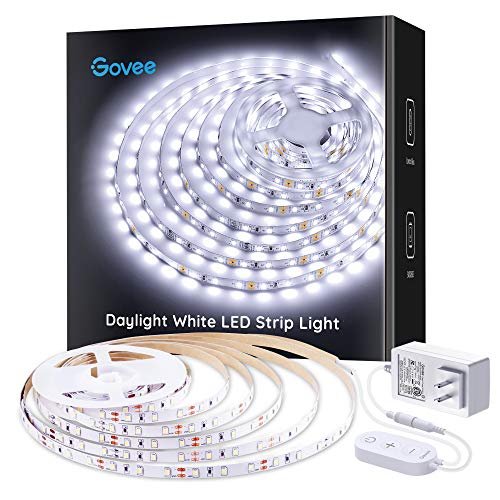
Bright LEDs: With 300 LEDs and 6500K color temperatures, you'll enjoy an incredibly bright illumination with improved color quality. The led strip lights for bedroom can light up your classroom, cabinets, mirrors, ceiling and any corners with ease.

Smart RGBIC Effects: RGBIC LED Strip lights for bedroom display multiple colors on one line at a time compared with traditional RGB lights. A colorful combination of LED strip lighting for bedroom brings a strong visual impact. (Not Support Alexa)
1. Overusing LED Strips
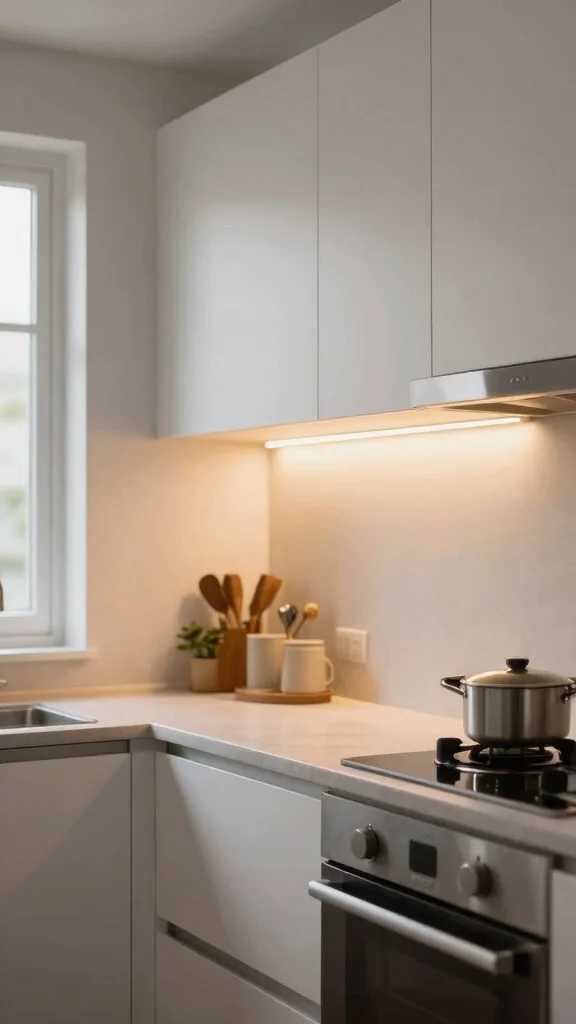
LED strip lights can be a delightful addition to your home, bringing a modern flair that enhances visual interest. When used wisely, they create a warm, inviting atmosphere, but overdoing it can lead to visual chaos. Consider placing strips in thoughtful locations, such as under cabinets, along shelves, or at the ceiling’s edge, allowing for a subtle glow that elevates your space without overwhelming it.
To make the most of your LED strips, focus on strategic placements that highlight specific areas. Budget-friendly alternatives include using adhesive strips that you can cut to size. This trend aligns with the growing love for personalized and functional home decor.
Tips for Using LED Strips Effectively:
– Pair them with existing decor to enhance specific areas.
– Choose colors that harmonize with your furnishings.
– Create focal points instead of an excess of lighting.
By following these tips, you can achieve a bright yet sophisticated look, ensuring a well-balanced aesthetic in your home.
Recommended Products

[Package Content]:Smart 24V 120W transfomer x 1Pcs,remote x 1Pcs,32.8ft/10m CCT COB LED strip x 1Pcs,20ft extension cords x 1Pcs,cob connector x 12Pcs,cable organizers x 20Pcs.Everything needed for a clean and flexible lighting installation is included in the kit, making it ideal for bedrooms, shelves, kitchens, cabinets, and DIY ambient lighting projects.

Motion-Activated Lighting: Lights turn on in sequence as you step onto the staircase and gradually turn off step by step when you leave, creating a smooth and elegant lighting effect.

1. 【Ultra-high brightness, high CRI】 Experience the extraordinary lighting experience brought by our high-density COB LED light strip! Unlike traditional SMD 2835 or 5050 LED light strips, our spotless COB LED light strip integrates multiple chips on a single circuit board (PCB), providing ultra-uniform lighting without dark spots. 1600 LEDs are integrated on the 5-meter long COB LED light strip, and the light-emitting units are arranged more closely than ever before, creating a seamless and bright COB LED light strip effect. The high color rendering index COB LED light strip (CRI>90) ensures natural color reproduction, closer to daylight, soft and comfortable, suitable for any environment.
Overusing LED Strips
Editor’s Choice

Under Cabinet COB Led Light Strip kit,16.4ft/5m Cuttable 6500K,Diffused …


NOVOSTELLA 20ft Tunable White LED Strip Light kit Dimmable 3000K-6500K 2…

Novostella 40ft Tunable White LED Strip Light 1344 LEDs Dimmable 3000K-6…

Wefomey White LED Strip Lights, 100ft Dimmable Bright 24V Led Tape Light…

Govee Warm White LED Strip Lights, Bright 300 LEDs, 3000K Dimmable Light…
2. Ignoring Color Temperature
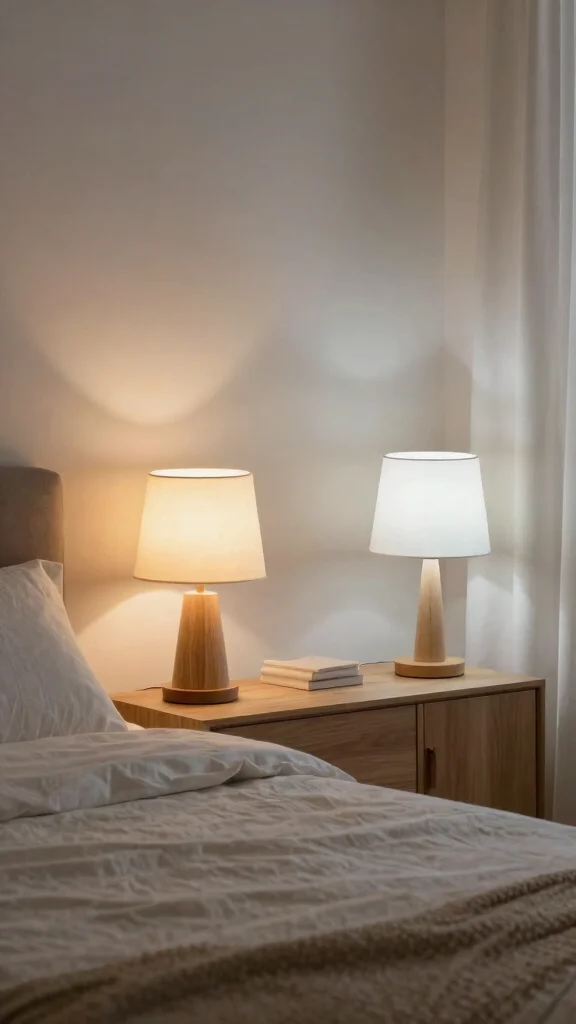
Choosing the right color temperature for your LED lights is crucial for setting the mood in any room. When you select a temperature that doesn’t match the room’s purpose, it can dramatically alter the atmosphere. Warm white (2700K-3000K) creates a cozy feel perfect for living areas, while cool white (4000K-5000K) invigorates workspaces with a fresh energy.
To enhance your home’s ambiance, match the color temperature to each room’s function. Budget-friendly options include using smart bulbs that allow you to adjust temperatures based on your needs. Layering different color temperatures can also add depth to your space, aligning with current design trends that prioritize comfort and versatility.
Home Lighting Tips:
– Match the temperature to the room’s activity.
– Use warmer tones in relaxation areas, cooler in workspaces.
– Layer various temperatures for a dynamic feel.
Selecting the right color temperature can truly transform your home, creating an inviting and harmonious atmosphere that reflects your unique style.
Fun fact: led light mistakes often come from ignoring color temperature—2700K–3000K in cozy rooms and 4000K–5000K in workspaces. Match each room’s function, and budget-friendly smart bulbs let you switch moods without breaking the vibe.
Recommended Products
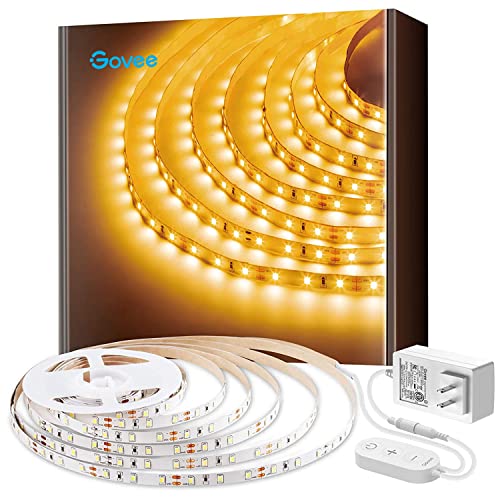
Warm White LED: With 300 LEDs and a 3000K color temperature, you'll enjoy an incredibly warm and bright illumination with improved color quality. Light up those dark rooms, cabinets and any corners with ease.

Ultra-bright and dimmable: 300 LEDs bright warm white LED strip lights with white color temperature deliver up to 3840 Lumen, and the brightness can be easily adjusted by the dimming button controler that comes with it.

Bright Uniform light: This COB LED strip creates a smooth, even glow that feels natural and comfortable to the eyes. The advanced chip layout and soft silicone coating work together to gently diffuse light, reducing harsh glare while maintaining consistent brightness across the entire length
3. Poor Placement of Lighting Fixtures
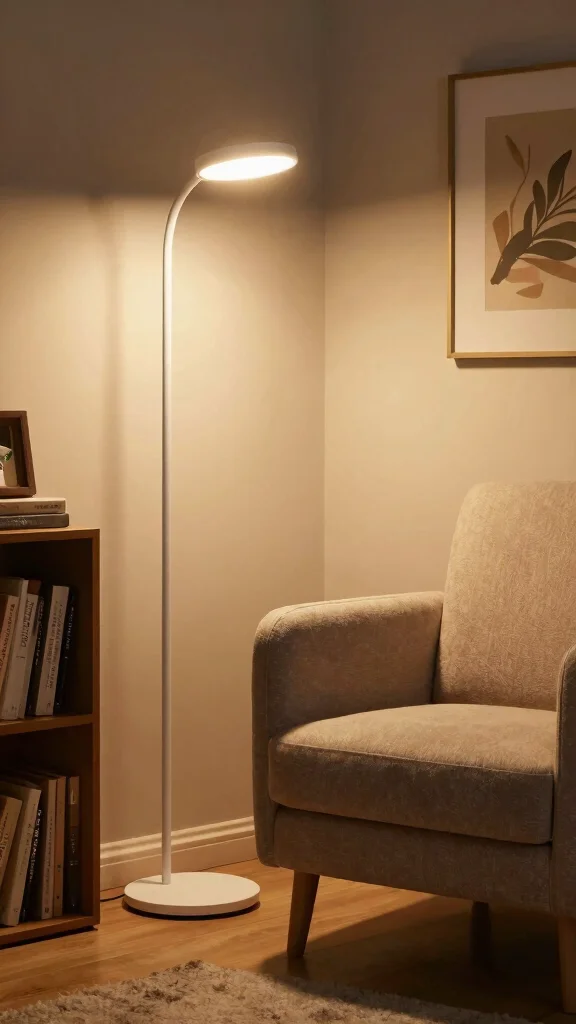
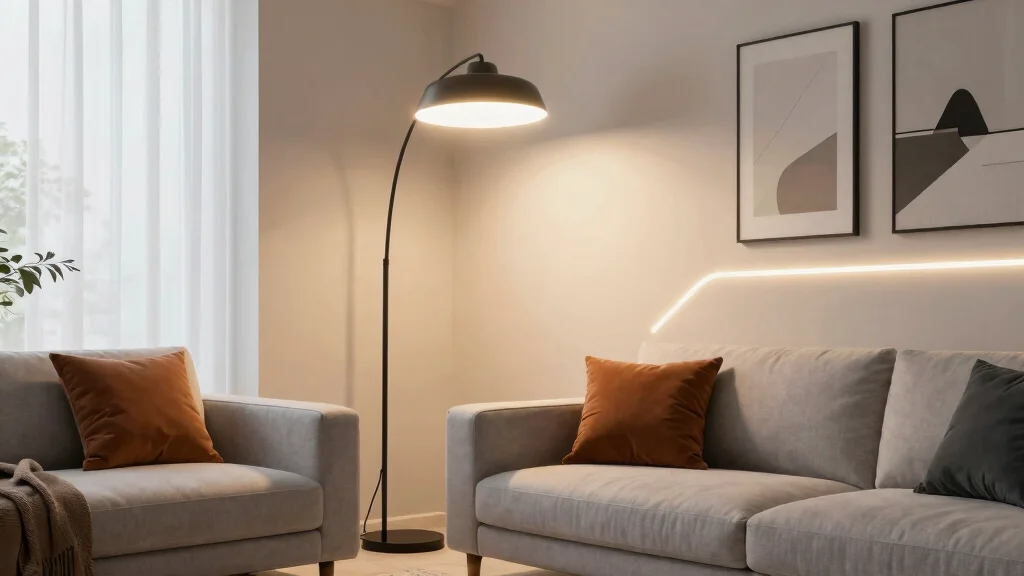
The effectiveness of your LED fixtures heavily relies on their placement within your space. Many overlook how the position of lighting affects both functionality and style, leading to missed opportunities for enhancement. Overhead lights should be strategically placed to avoid harsh shadows, while accent lights should draw attention to your favorite artwork or architectural features.
To optimize your lighting design, consider the intended purpose of each fixture. Experiment with varying heights and angles to find what feels most inviting. This approach aligns with the trend of layered lighting, which creates a more dynamic environment in your home.
Suggestions for Effective Placement:
– Assess each light’s purpose: task, ambient, or accent.
– Test different heights and angles for best effect.
– Create layers to add richness and depth.
Thoughtfully placed lighting can enhance your decor’s beauty, turning an ordinary space into a stunning showcase of style and comfort.
Recommended Products

【Tunable White COB LED Strip Light】Dimmable white light from warm white to cool white (2700K-6500K),whether you are relaxing or working,one light to meet all your needs! With 3200LEDs,PAUTIX Tunable COB led strip light creates super bright and even lighting performance.Anti slip buckle design, connection is not easy to loose

【Tunable White CCT COB LED Strip Light】Dimmable white light from warm white to cool white (2700K-6500K), Whether you are working or relaxing, this light meets your needs. With 8640 LEDs, AXMOTUT Dual White LED Strip Light creates brighter, softer and more even lighting

【Brighter TV Backlight】With 1280LEDs in total(640LEDs/m),PAUTIX 2700K-6500K CCT Tunable COB USB LED strip light allows you to dim between warm and white light and creates brighter and super even lighting performance,which is ideal for reducing eyestrain(watching TV in the dark causes the eyes to constantly adjust between a bright screen and dark surrounding area)
Poor Placement of Lighting Fixtures
Editor’s Choice

EDISHINE LED Corner Floor Lamp, Modern Slim Dimmable Light, Adjustable H…
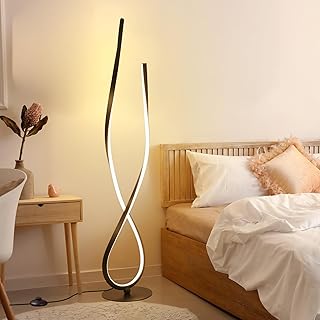
NUÜR Modern Spiral LED Floor Lamp, 59″ Ultra-Bright Black Standing Lamp …

Reading Floor Lamp, 72″ Tall LED Lamp with Flexible Gooseneck, Dimmable …

LED Floor Lamp for Living Room, Bright Reading Lamps for Office, Adjusta…

JOOFO LED Floor Lamp – Super Bright Torchiere with Remote & Foot Switch,…
How To Choose The Right LED Lights for Your Home
Choosing the right LED lights can make or break the aesthetic of your home. With the right selection, you can enhance your decor and create the perfect ambiance. Here’s a guide to help you select the best LED lights that suit your style and needs.
1. Understand Your Space
Before purchasing LED lights, assess the areas you want to illuminate. Is it a cozy reading nook, a lively kitchen, or a spacious living area? Each space may require different lighting. For instance, bright lights work well in kitchens while softer lights create a relaxing atmosphere in bedrooms. Knowing your space helps you envision how the lighting will look and function.
2. Consider Color Temperature
Color temperature is crucial in setting the mood of a room. LED lights come in a range of temperatures, usually labeled in Kelvins (K). Warmer lights (around 2700K) create a cozy feel, ideal for living rooms and bedrooms. Cooler lights (above 4000K) are bright and energizing, perfect for workspaces. Choose a temperature that aligns with the vibe you want to achieve in each room.
3. Check the Lumens
Lumens measure brightness. The more lumens, the brighter the light. Consider what each room needs: a living room might require 1,500-3,000 lumens for general lighting, while a bathroom might need 500-1,000 lumens for clarity. Don’t shy away from brighter options if you want to create a vibrant atmosphere; just ensure it aligns with your overall decor.
4. Think About Fixture Style
The style of your LED fixtures shapes the overall decor. From sleek and modern to vintage or industrial, match the fixture with your home’s theme. A contemporary space may benefit from minimalistic fixtures, while a rustic decor could shine with vintage styles. Consider how the fixture complements your furniture and other decor elements.
5. Plan for Dimming Options
Dimmers allow you to adjust the light intensity based on your needs. If you entertain often or enjoy movie nights, dimmable LED lights can create a more inviting atmosphere. Make sure your fixtures are compatible with dimmer switches. This flexibility enhances your home’s ambiance, allowing it to adapt to different activities.
6. Budget Wisely
LED lights can range in price. Determine how much you are willing to spend before shopping. Remember that investing in quality LED lights pays off over time due to their energy efficiency and longevity. Compare options and read reviews to ensure you’re getting good value for your money.
Pro Tip: Always opt for LED lights with a high CRI (Color Rendering Index) of 90 or above. This rating means the light will render colors more accurately, enhancing the overall aesthetic of your home.
Incorporating the right LED lights into your decor doesn’t just brighten your home; it can also elevate its style and ambiance. By understanding your space, considering color temperature, checking lumens, choosing the right fixture style, planning for dimmers, and budgeting wisely, you can avoid common LED light mistakes and create a stunning aesthetic that you’ll love.
Recommended Products

PWM Dimmer: Adopt most power efficient high side PWM dimming method, no buzz flicker-free and save battery drain. Dims up to 48 watts (4 amps) under 12v condition

THE GOLD STANDARD IN DIMMING: Lutron’s advanced technology provides smooth LED dimming used for everyday light bulbs to reduce flicker, buzz, and delay to enhance comfort and ensures consistent dimmer switch reliability across LED lighting

Work with 120V, No need LED driver or converter, just plug into wall outlet by our waterproof AC cord or hard wire to 120V, no need rewiring, easy for power up
4. Lack of Dimmer Switches
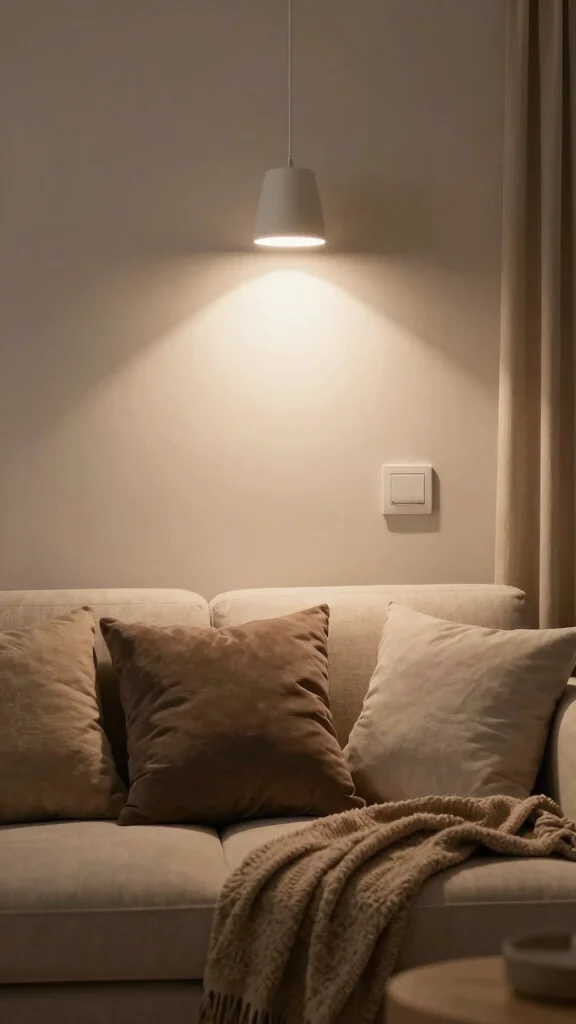
Failing to install dimmer switches with your LED lights is a missed chance for flexibility in your lighting design. Dimmers offer you the ability to adjust light intensity, adapting the atmosphere to suit different occasions. For example, a bright light might be too harsh for a cozy movie night, while a soft glow fosters intimate conversations.
By integrating dimmer switches, you can elevate the ambiance to match any moment. They’re also a smart choice for energy savings, allowing you to use lower settings as needed. This practical upgrade aligns with the desire for versatile and stylish lighting solutions in modern homes.
Benefits of Using Dimmers:
– Elevate ambiance for various occasions.
– Save energy by using lower settings.
– Extend the lifespan of your LED bulbs.
Incorporating dimmers is an easy yet impactful way to achieve a flexible and inviting lighting scheme that adapts to your lifestyle.
Fun fact: Dimmer switches can cut energy use by up to 20%–50% depending on settings, while preserving LED light quality. A quick twist lets you shift from bright task lighting to cozy movie-night ambiance—protecting you from led light mistakes.
Recommended Products
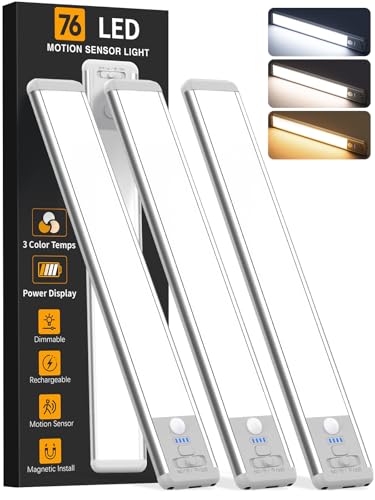
Motion Sensor Light Indoor: When the motion activated under cabinet light detects human movement within the range of 10ft/120°, it will automatically light up and turn off about 20S after no movement is detected. Moreover, cabinet lights are set to two sensing modes for day and night, allowing you to select for different usage scenarios.

Manual Control Design – No Motion Sensor: This RGB under cabinet light is designed for remote and button control only. It does not include a motion sensing feature. Simply turn it on/off and adjust colors and brightness using the remote or manual switch for precise lighting control without unexpected activation

Hands-Free Motion Sensor Light Indoor: Light up dark spaces automatically with EZVALO under cabinet lights. The built-in motion sensor detects movement within 12ft/120° and turns on when you walk by, so you do not have to fumble for switches in the dark. The light turns off after about 20 seconds of no motion to help save power, making it practical for kitchens, closets, pantries, stairways, cabinets, shelves, and other indoor dry areas.
Lack of Dimmer Switches
Editor’s Choice

Lutron Caseta Original Smart Dimmer Switch, LED Dimmer Switch, 150W, Sin…

Leviton Decora Smart Dimmer Switch, Wi-Fi, Works with Matter, My Leviton…
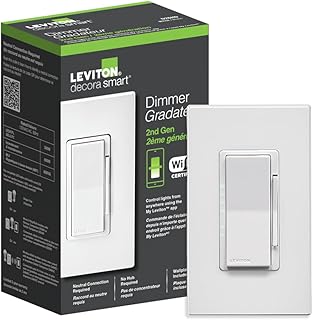
Leviton Decora Smart Dimmer Switch, Wi-Fi 2nd Gen, Neutral Wire Required…

GE Cync Paddle Dimmer Smart Switch, Highly Customizable Dimmer Switch, W…

Kasa Smart Dimmer Switch HS220P3, Single Pole, Needs Neutral Wire, 2.4GH…
5. Neglecting Natural Light
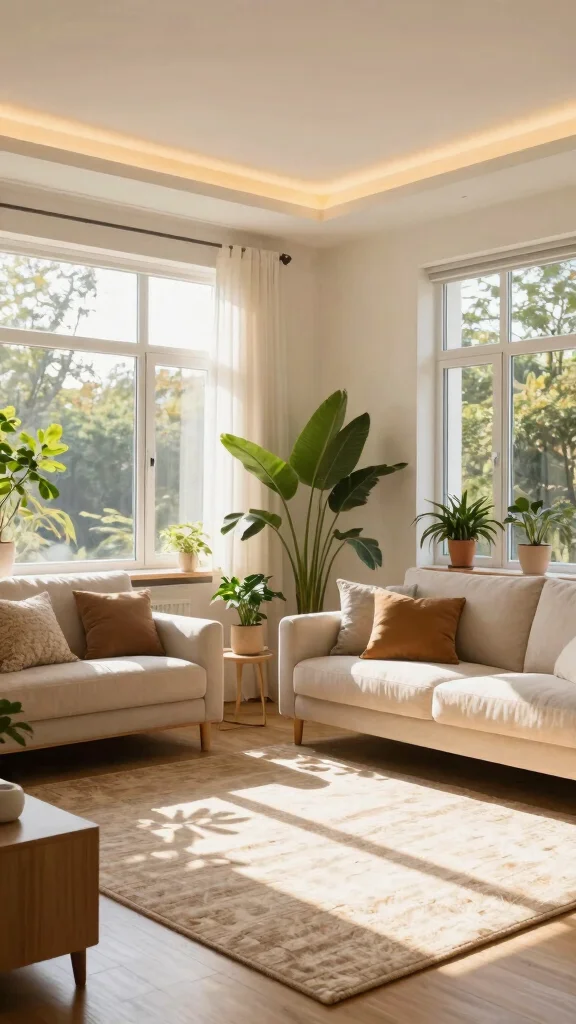
Natural light is one of the most beautiful elements in design, yet many overlook how LED lighting interacts with it. When artificial lights clash with natural sources, the result can be an unwelcoming environment. Instead, consider how your LED lights can complement the daylight flooding your home, enhancing its overall beauty.
To optimize your lighting, choose LEDs that mimic the quality of natural light, looking for high Color Rendering Index (CRI) ratings. Reflective surfaces can also help distribute natural light, creating a brighter and more inviting space. This trend promotes a seamless blend of indoor and outdoor light, enhancing the emotional warmth of your home.
Home Lighting Tips:
– Select LEDs that resemble natural light quality.
– Position reflective surfaces strategically for maximum light.
– Avoid heavy drapes; opt for lighter materials.
Thoughtful lighting design can create a harmonious atmosphere, allowing your home to feel cohesive and uplifting.
Recommended Products
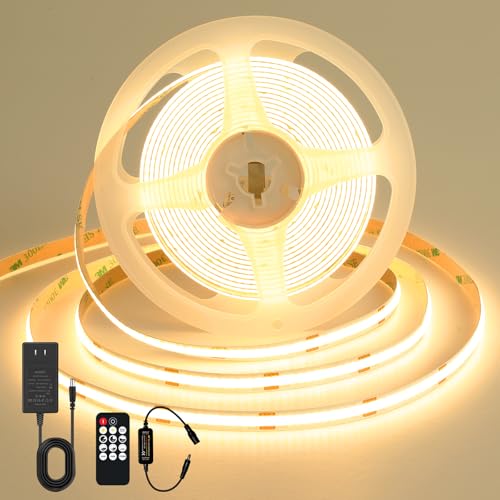
【Ultimate Seamless Lighting】Experience seamless, spotless brightness from our high-density COB LED light strip. Unlike traditional SMD strips, our spotless COB design integrates multiple chips on a single PCB for ultra-uniform lighting without dark spots. With a 180° beam angle for 50% wider coverage, high efficiency, and CRI 90+ for true colors, this 5m COB strip is a perfect linear lighting solution. It integrates 1600 LEDs (320 LEDs/m) closely packed for a seamless bright effect. Comes with a UL-listed power supply – just plug in and enjoy comfortable warm white light that's soft on the eyes and suitable for any environment.

【Ultra Bright and Uniform】DC12V 336LEDs/m 16.4FT Warm White 3000K. Flip Chip On Board LED strip(FCOB).Adopting high brightness LED as the light source to ensure the brightness while maintaining color consistency.Compared with traditional 5050SMD 3528SMD light strips, FCOB light strips dense light-emitting units create a brighter, softer, spotless and more uniform light.

【Outdoor IP65 Waterproof】 IP65 waterproof, the light strip is covered with a layer of silicone, which has a rainproof effect but cannot be soaked in water for a long time, and the color is more crystal clear
Neglecting Natural Light
Editor’s Choice

NEEWER E26 35W LED Light Bulbs, 2 Packs, 3150 Lumens/5700K/CRI 93+/15000…

Feit Electric BR30 LED Light Bulb, 100W Equivalent, Dimmable, 1400 Lumen…

Feit Electric A19 Adjustable White LED Light Bulb, 100W Equivalent, 1600…

LUXRITE A19 LED Light Bulb 100 Watt Equivalent, CRI90, 5CCT Selectable 2…

Feit Electric A21 LED Light Bulb, 100W Replacement, Dimmable, Selectable…
6. Choosing the Wrong Style of Fixtures
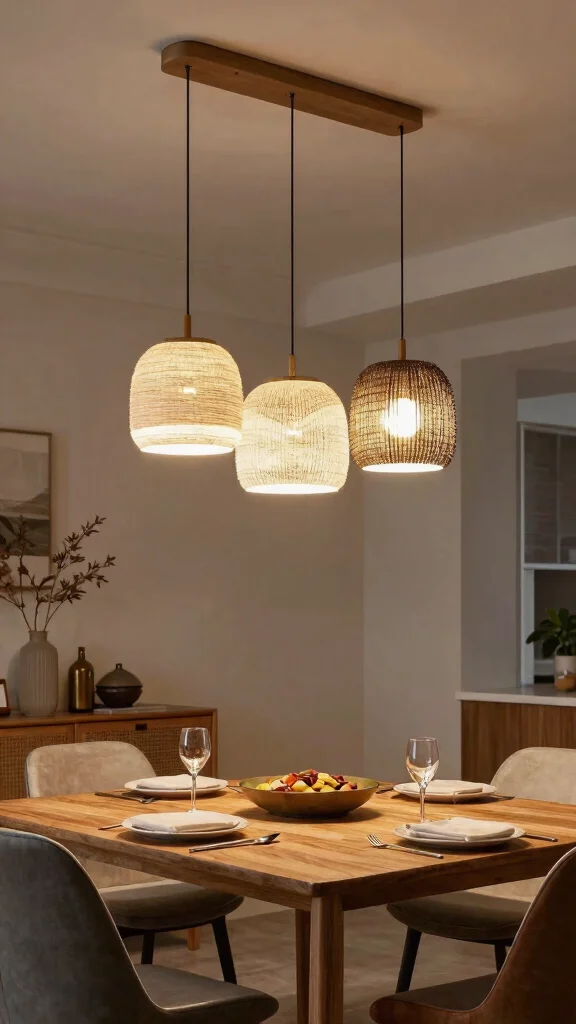
Selecting LED fixtures that don’t align with your room’s overall style can disrupt your decor’s harmony. Choosing designs that complement your aesthetic is essential; otherwise, the lighting can clash with your theme. For example, industrial fixtures may feel out of place in a cozy farmhouse setting.
Aim for lighting that enhances your chosen theme, contributing positively to your home’s vibe. Look for fixtures that resonate with your style, whether that means sleek modern lines or rustic charm. This attention to detail reflects the current trend of personalized home decor.
Interior Design Tips:
– Align fixture styles with the overall home aesthetic.
– Mix styles thoughtfully to ensure cohesion.
– Explore unique designs that can serve as statement pieces.
Harmonizing your LED fixtures with your decor can transform them from mere utilities into stunning focal points that elevate your entire space.
❝ Choosing the right fixtures is half the look—and totally worth the effort. When your LED lighting matches your decor, led light mistakes disappear, and the room feels cohesive. Pick fixtures that echo your theme, from sleek modern lines to rustic charm, and watch the space glow with harmony. ❞
Recommended Products

8mm 5V LED Strip: With 320 COB LEDs on the 3.28FT of led light strip (Non-dimmable and no switch).It is powered by USB and can be plugged directly into a USB socket or a charger block. Filling with bright and even lighting for your home

【Plug in LED Strip Lights】: AUZIWE 24V COB LED Strip 9.84ft provides excellent lighting effects! Warm led strip lights super bright with high LED density, delivering perfectly even illumination across the entire length with no visible hot spots from individual LEDs.You plug the 110 volt AC adapter into the wall, and the round plug out of that adapter plugs into the female for the dotless led strip lights. the 180-degree beam angle can provide a wider lighting range. Professional-grade design enhances your installation project!
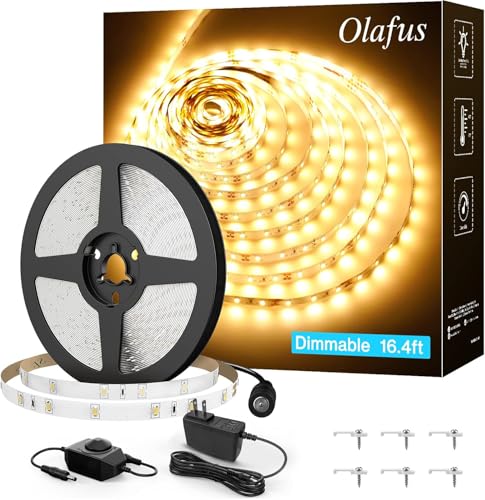
Ultra Bright and Safe to Touch: The 16.4ft/5m long led strip light includes 300 super bright warm white LEDs. 12V working voltage and low temperature
Choosing the Wrong Style of Fixtures
Editor’s Choice

Farmhouse Pendant Lighting for Kitchen Island,Black and Gold Dome Pendan…

Black Farmhouse Pendant Lights Matte Pendant Lighting for Kitchen Island…

Black Pendant Light 12.5 inches 3 Packs, Farmhouse Pendant Light, Indust…

Industrial Pendant Light INNOCCY Edison Hanging Cage Pendant Lights E26 …
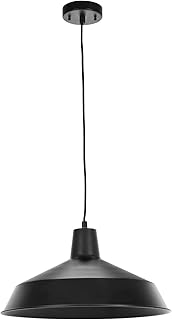
GLOBE Electric 65155 1-Light Industrial Warehouse Pendant Lighting, Matt…
📹 Related Video: How To Light A Space | Mistakes, Rules + Lighting In Interior Design
Conclusion
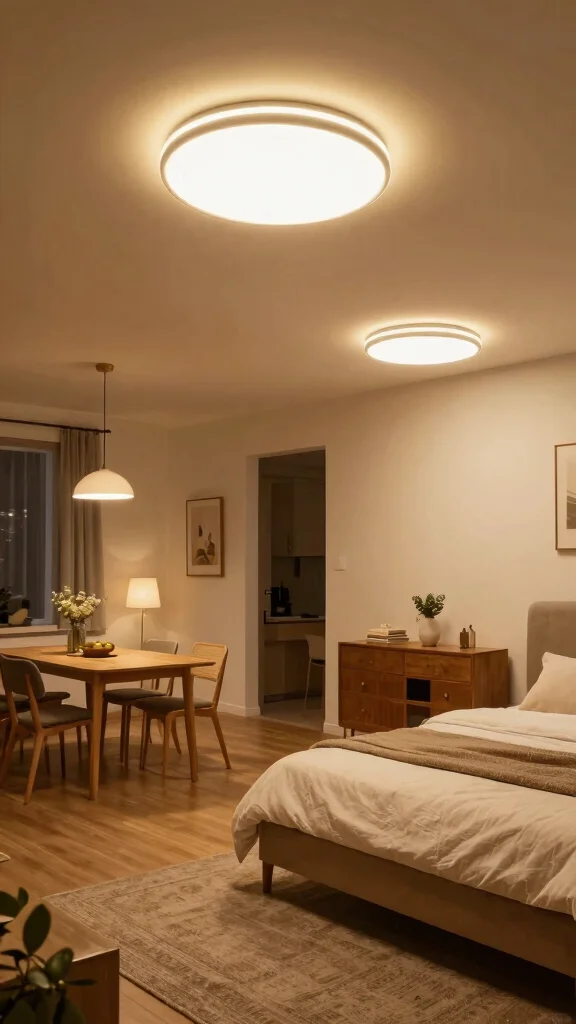
Correcting these common LED light mistakes can elevate your home decor from mundane to magnificent. Taking the time to thoughtfully consider placement, color temperature, and the overall style will not only improve your home’s aesthetic but also enrich your living experience.
With just a few adjustments, you can transform your space into a beautifully lit sanctuary. Embrace the magic of LED lighting and watch your environment thrive!
Note: We aim to provide accurate product links, but some may occasionally expire or become unavailable. If this happens, please search directly on Amazon for the product or a suitable alternative.
This post contains Amazon affiliate links, meaning we may earn a small commission if you purchase through our links, at no extra cost to you.
Recommended Products

【Tunable White COB LED Strip Light】Dimmable white light from warm white to cool white (2700K-6500K),whether you are relaxing or working,one light to meet all your needs! With 1920LEDs,PAUTIX Tunable COB led strip light creates super bright and even lighting performance.Anti slip buckle design, connection is not easy to loose
![iFalarila Makeup Bag with LED Mirror, [3 Color and Stepless Dimmable] Rechargeable LED Light for Makeup Bag Train Case with Brushes Storage Organizer, Travel Box Cosmetic Bag for Women - Black](https://m.media-amazon.com/images/I/41irdfTNlsL._SL500_.jpg)
【Makeup Bag with Lighted Mirror】Featuring a large makeup brush organizer panel and a detachable rechargeable LED mirror. The makeup case fits for outside work and travel. It also perfect for dark backstage areas or poorly lit events in dressing rooms, making it easy to apply makeup anywhere.

Adjust Color 2700K-6500K LED Tape Light: This white LED strip light can change color from 2700K to 6500K. You can choose warm white, neutral white, or daylight white to get a comfortable white light color for reading, working, or relaxing time
Frequently Asked Questions
What are the most common led light mistakes that ruin a room’s aesthetic?
Common led light mistakes include relying on a single overhead fixture, using the wrong color temperature, and placing lights where they create glare or unflattering shadows. To fix: build a layered lighting plan with ambient, task, and accent lighting; keep color temperature consistent across fixtures (2700–3000K for warm spaces, 3500–4000K for kitchens or work areas); avoid ceiling-only lighting by adding floor or table lamps; aim for even illumination rather than hotspots; install dimmers to control brightness and mood; choose bulbs with a high CRI so colors look true; reflect light with lighter walls or lampshades, and always consider daylight when planning decor enhancement.
How should I choose LED color temperature for different rooms to avoid harsh or flat lighting?
Match color temperature to room function and mood. For living rooms and bedrooms, use warm color temperature around 2700–3000K for coziness; kitchens and home offices benefit from 3500–4000K for clarity and task visibility. Prefer dimmable, consistent bulbs across fixtures to maintain LED lighting ideas that support home lighting tips. Test samples in real daylight and adjust until the space feels inviting rather than clinical.
Where’s the best place to put LED lights to create ambience without glare?
Think layering: place soft ambient lighting in the background, add task lighting where you read or cook, and use accent lighting to highlight decor. Put LED strips behind TVs or under cabinets for indirect glow, position floor lamps and table lamps for diffusion, and avoid placing bright sources directly in your line of sight to prevent glare. Walls with light colors reflect more light, helping your decor enhancement feel cohesive. Remember: indirect lighting and diffusers beat harsh direct beams every time.
What quick fixes can correct LED lighting mistakes without a remodel?
Start with the basics: add dimmers to existing fixtures, layer lighting with ambient, task, and accent sources, and swap to bulbs with a higher CRI and appropriate color temperature. Reassess placement—move a harsh ceiling light to a corner lamp or add a shaded fixture to soften glare. Consider lighter wall colors or reflective surfaces to amplify the light. These home lighting tips can dramatically improve ambiance without major changes.
How can I balance brightness, color, and energy efficiency in LED lighting for decor enhancement?
Plan for the space: aim for the right lumens per area (not too dim, not blasting), and use high-CRI LEDs for accurate color rendering. Employ dimmable bulbs and smart scenes to shift brightness and color temperature by time of day, improving ambiance lighting and decor enhancement while staying energy-efficient. Pair daylight with artificial light to reduce energy use, and keep fixture density sensible to avoid over-lighting a room.
Recommended Products

0%-100% Dimming Freely--- PWM 0%-100% Dimming Controller easily adjusts the lighting to any brightness, dim or brighten, to meet your different needs and preferences via the rotatable knob

Input voltage:DC5V/DC12V/DC24V; Output current:<2A/CH max:6A. (DC12V LED strip, please use D12V power supply.)
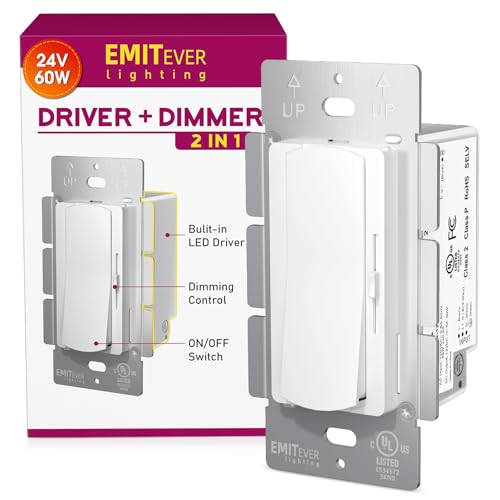
Driver & Dimmer 2-in-1 Design: EMITEVER dimmer light switch built-in LED Driver, no need of separate dimmable power supply and dimmer light switch installations, saving 80% space in junction boxes or tight corners (4.13x2.12x1.99in compact size). Smooth glossy white finish looks great and enhances the feel of your home
Related Topics
home decor
LED light mistakes
interior design
ambiance lighting
color temperature
decor enhancement
lighting placement
home lighting tips
beginner friendly
modern style
DIY lighting
decor mistakes