
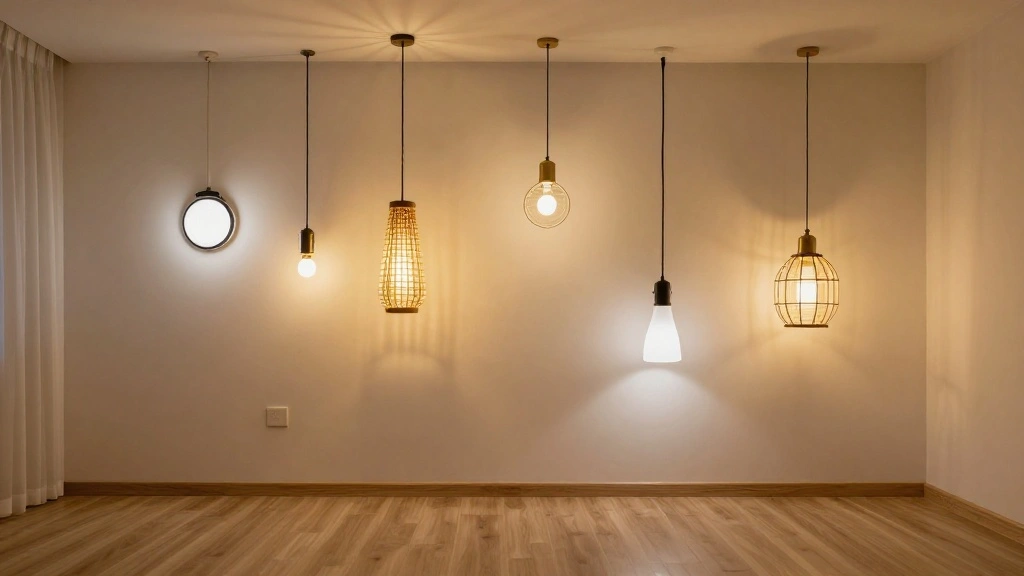
Choosing the right LED lights for your room can feel overwhelming. With the vast array of options available, it’s easy to become confused about which lights will create the ambiance you desire and meet your practical needs. The wrong choice can lead to poor lighting that affects your mood, productivity, and even your health. Don’t let the wrong lighting dim your space.
This guide will empower you to make informed decisions, ensuring that you select LED lights that fit your room’s purpose and style. By the end of the guide, you will have a clear understanding of LED specifications, color temperatures, and how to assess your space effectively. You’ll transform your room into a vibrant, well-lit oasis.
You will specifically learn how to consider the size of your room, the type of activities you do in that space, and the aesthetic you wish to achieve. This guide is designed for beginners and will take approximately 1-2 hours to complete. Ready to brighten up your space?
TL;DR Summary
- Understand your room’s size and purpose for optimal lighting.
- Learn about color temperature and its impact on mood.
- Discover different types of LED lights and their applications.
- Follow a step-by-step approach to choosing suitable LED lights for any room.
TL;DR Summary
Editor’s Choice

Color A19 Smart LED Light Bulb, 1100 Lumens, Billions of Colors + Tunabl…

Prerequisites/Materials Needed
- LED Bulbs: 3-5 bulbs depending on room size
- Light Fixtures: Suitable fixtures that fit your chosen bulbs
- Measuring Tape: For measuring room dimensions
- Color Temperature Guide: Reference material for understanding light colors
- Notebook and Pen: For taking notes during the process
Prerequisites/Materials Needed
Editor’s Choice

Design Guide For Scenery Lighting: Low Cost, High-Density Lighting Metho…

LED Garage Light, 80W 8000 Lumen Ceiling Lights with 3 Adjustable Panels…

VATION LIGHTING 24 Pack A19 LED Light Bulb Daylight 5000K LED Bulbs, 60 …
Skill Level & Time Estimate
Skill Level: beginner
Total time estimate: 1-2 hours
Skill Level & Time Estimate
Editor’s Choice

4 Pack LED Flush Mount Ceiling Light, 24W Ultra Thin Round White 3000k/4…

Linkind Smart Light Bulbs, Smart Bulb that Work with Alexa, Google Home,…

Govee RGBIC LED Strip Lights, Smart LED Lights for Bedroom, Bluetooth LE…
Step 1: Measure Your Room
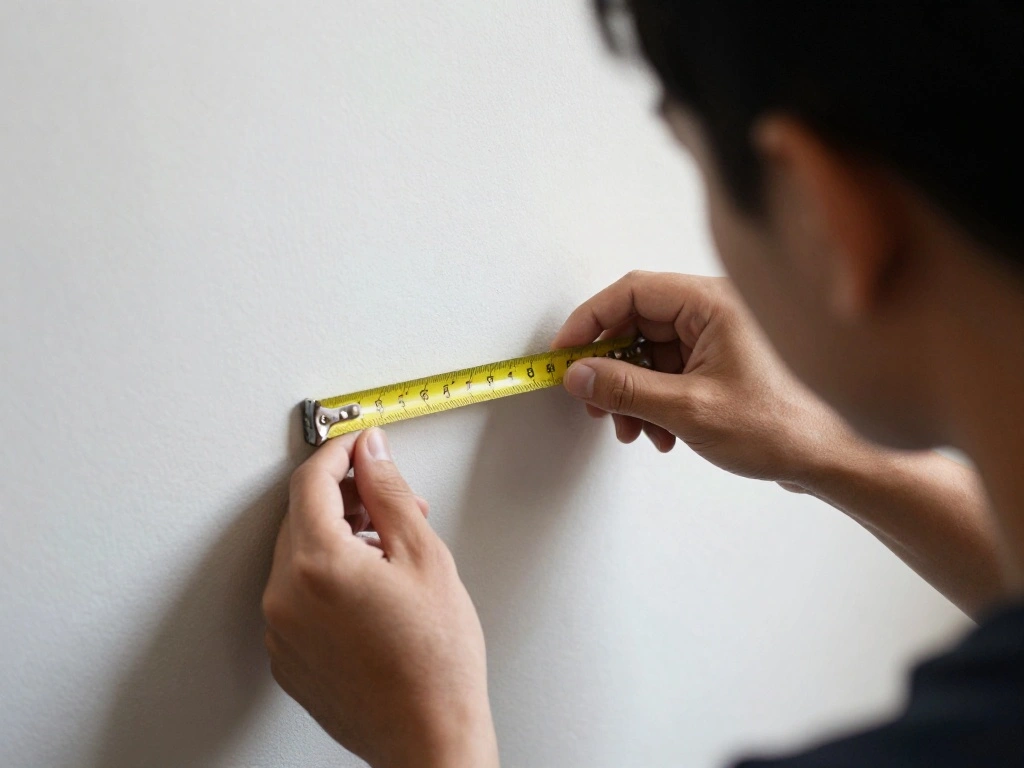
Start by accurately measuring your room to understand its dimensions. This step is crucial as it helps you determine how many light fixtures or bulbs you will need. Follow these sub-steps:
- Take a measuring tape and measure the length and width of your room.
- Record the measurements in your notebook.
- If your room has multiple sections, repeat for each area.
Pro Tip: Include ceiling height in your measurements as it can affect light distribution.
Why this matters: Knowing the size of your room helps in calculating how much light is necessary to adequately illuminate the space.
Time estimate for this step: 15-20 minutes.
Step 1: Measure Your Room
Editor’s Choice

hykolity 12 Inch Selectable CCT LED Round Flat Panel Light, 24W 3000K/40…

Digital Caliper, Rechargeable Digital Calipers with Backlight LCD & Auto…

24 Pack 8W Led Light Bulbs Daylight White 5000K, 60 Watt Equivalent Non-…
Step 2: Consider Room Functionality

Identify how you intend to use the room. Different activities require different lighting levels. This step involves several actions:
- List the primary activities done in the room (e.g., reading, working, relaxing).
- Determine the mood you want to create (e.g., bright and energizing, soft and calming).
- Consider any additional features like artwork or architectural elements that may need highlighting.
Pro Tip: Use brighter lights in workspaces and softer lights in relaxation areas.
Why this matters: Understanding the room’s purpose helps you select the appropriate brightness and type of LED lighting.
Time estimate for this step: 20-30 minutes.
Step 2: Consider Room Functionality
Editor’s Choice

Reveal LED A19, 100 watt Equivalent, 11 watts 1140 lumens, HD Light, Dim…
ILC RGB LED Light Bulb, Color Changing Light Bulb, 40W Equivalent, 450LM…

Amazon Basics Smart A19 LED Light Bulb, Color Changing, 9W (60W Equivale…
Step 3: Determine the Right Color Temperature
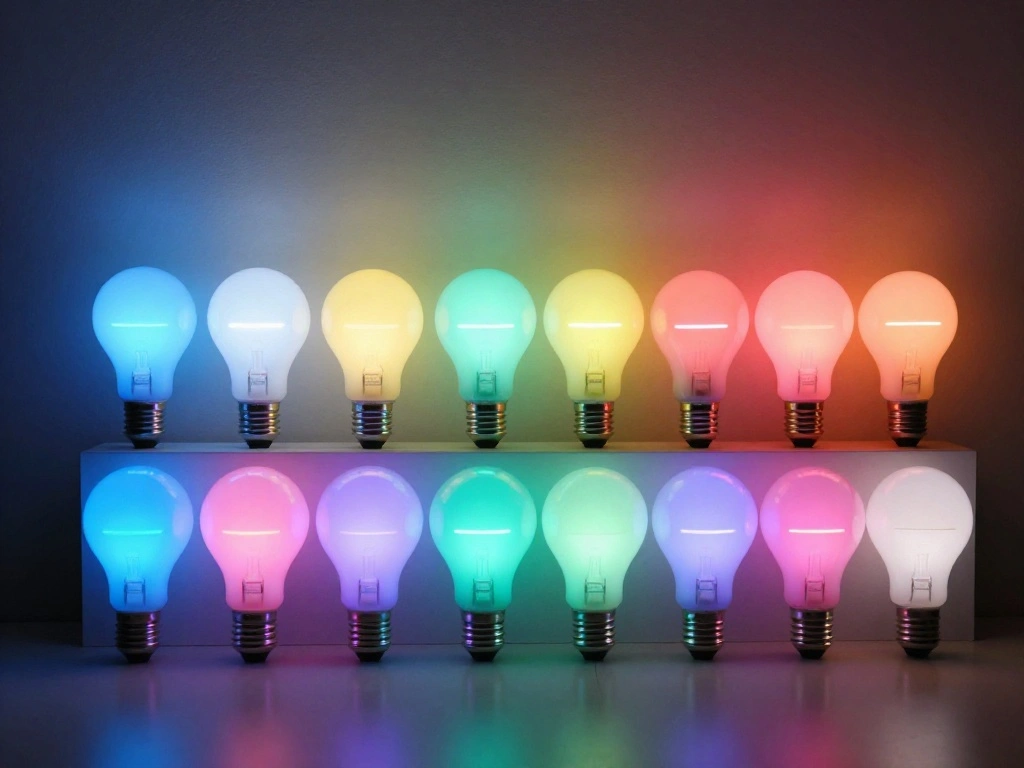
The color temperature of LED lights impacts the mood and functionality of your room. Follow these steps to select the right color temperature:
- Review a color temperature guide to understand Kelvin (K) ratings.
- Choose between warm (2700K-3000K), neutral (3500K-4100K), and cool (5000K-6500K) lights based on your desired atmosphere.
- Consider testing different bulbs to see how they look in your space.
Warning: Avoid mixing different color temperatures in the same room, as it can create a distracting atmosphere.
Why this matters: The right color temperature enhances the functionality of the room and contributes to your comfort.
Time estimate for this step: 15-20 minutes.
Step 3: Determine the Right Color Temperature
Editor’s Choice

GE Reveal 4-Pack 60 W Equivalent Dimmable 2850k Color-Enhancing A19 LED …

A19 LED Smart Light Bulb 3-Pack – White and Color Ambiance – 60W Indoor …

Sylvania LED Color Changing Light Bulb, Red/Blue/Green/Yellow/White, 270…
Step 4: Choose the Right Type of LED Lights
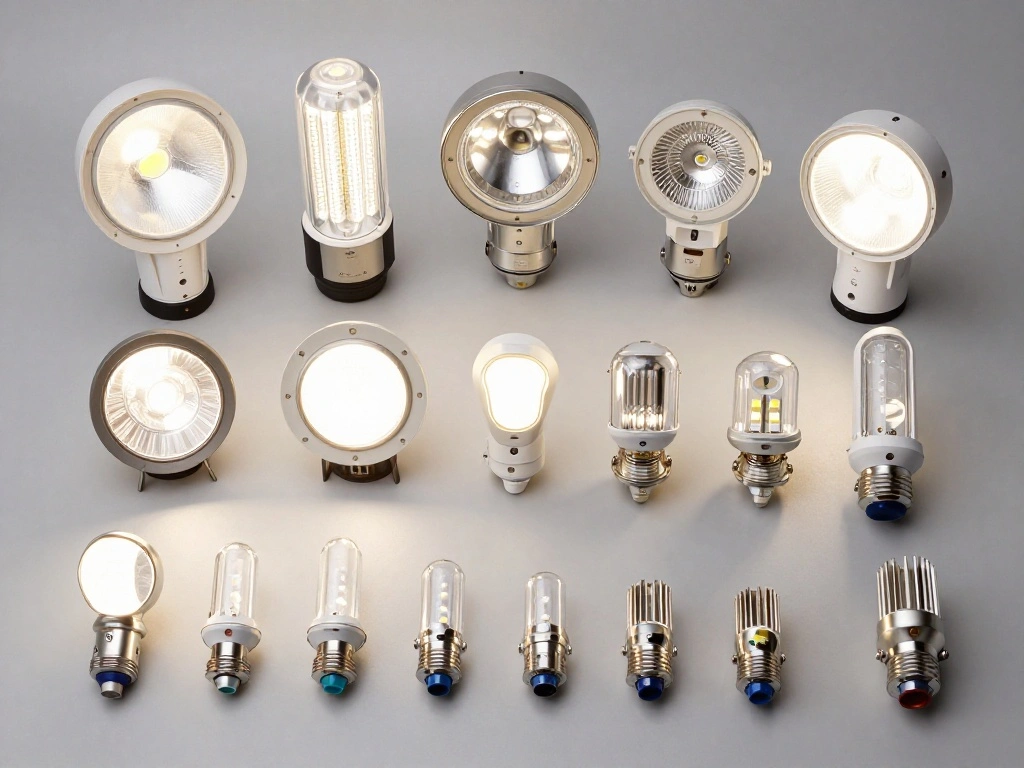
Different types of LED lights serve various purposes. To choose the right type, do the following:
- Identify the most common types of LED lights: A19 bulbs for general lighting, BR30 for recessed lighting, and strip lights for accent lighting.
- Assess which type suits your functional requirements and aesthetics.
- Make a shortlist of preferred types based on your earlier findings.
Pro Tip: Use dimmable LEDs to adjust brightness according to your needs.
Why this matters: Selecting the appropriate type ensures that you maximize the utility of your lighting setup.
Time estimate for this step: 15-20 minutes.
Step 4: Choose the Right Type of LED Lights
Editor’s Choice

Govee RGBIC LED Strip Lights, Smart LED Lights for Bedroom, Bluetooth LE…

Amico 4 Pack 5/6 inch 5CCT LED Recessed Lighting, Dimmable, 12.5W=100W, …

Linkind A19 LED Light Bulbs Dimmable, 60W Equivalent, Energy Efficient 9…
Step 5: Calculate the Required Lumens

Understanding lumens helps you choose bulbs that provide adequate brightness. To calculate lumens, follow these steps:
- Determine the square footage of your room (length x width).
- Use a lumens calculator to find the recommended lumens per square foot based on room use.
- Multiply the recommended lumens by your room’s square footage to get the total lumens needed.
Warning: Underestimating lumens can lead to a dimly lit room, making it uncomfortable.
Why this matters: Ensuring adequate lumens guarantees that your room is well-lit for its intended activities.
Time estimate for this step: 20-30 minutes.
Step 5: Calculate the Required Lumens
Editor’s Choice
Linkind A19 LED Light Bulbs Dimmable, 60W Equivalent, Energy Efficient 9…

libtit 4Pack 7inch LED Flush Mount Ceiling Light, Dimmable & 5Color Temp…

Luster Leaf 1875 Rapitest SunCalc Sunlight Calculator for Gardens – Me…
Step 6: Explore Energy Efficiency Ratings
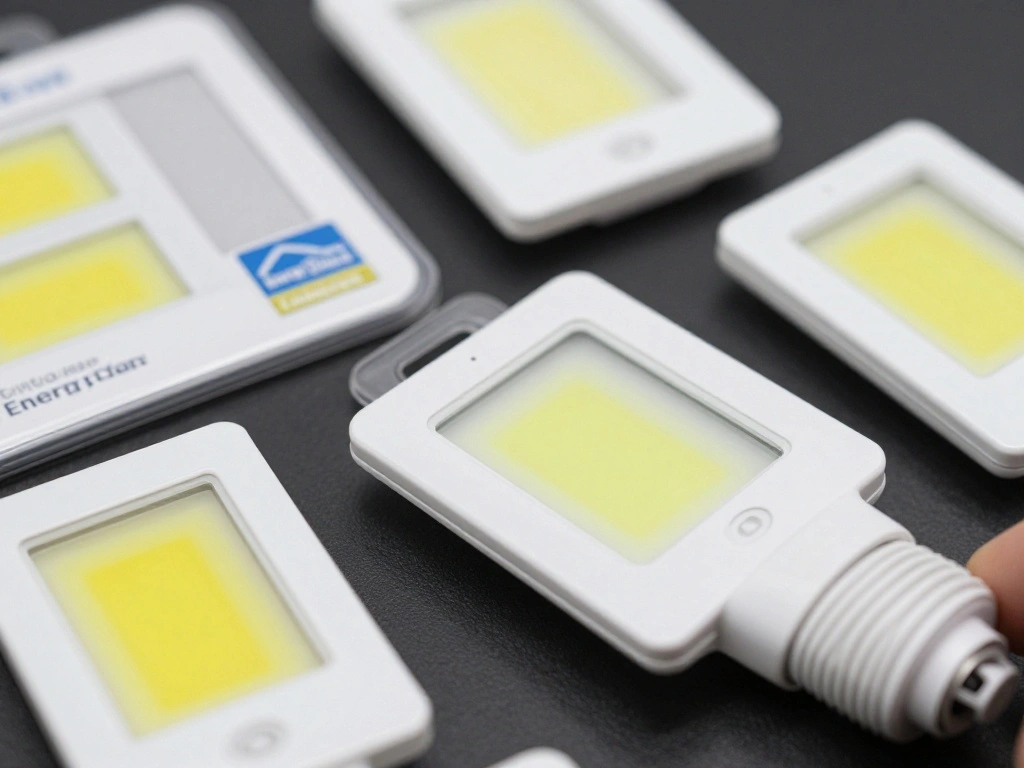
Energy efficiency is crucial when selecting LED lights as they can save you money on electricity bills. Follow these steps:
- Check the Energy Star rating on LED products, which indicates efficiency.
- Compare wattage and lumens to gauge the energy cost per light.
- Opt for products with lower wattage that still provide the necessary lumens.
Pro Tip: Look for rebates or discounts on energy-efficient lighting products in your area.
Why this matters: Choosing energy-efficient lighting not only saves money but is also better for the environment.
Time estimate for this step: 15-20 minutes.
Step 6: Explore Energy Efficiency Ratings
Editor’s Choice

Sylvania LED A19 Light Bulb, 60W Equivalent, Efficient 8.5W, 10 Year, 27…

Sylvania ECO LED Light Bulb, A19 60W Equivalent, Efficient 9W, 7 Year, 7…
Reveal LED A19, 100 watt Equivalent, 11 watts 1140 lumens, HD Light, Dim…
Step 7: Test Different Lighting Options
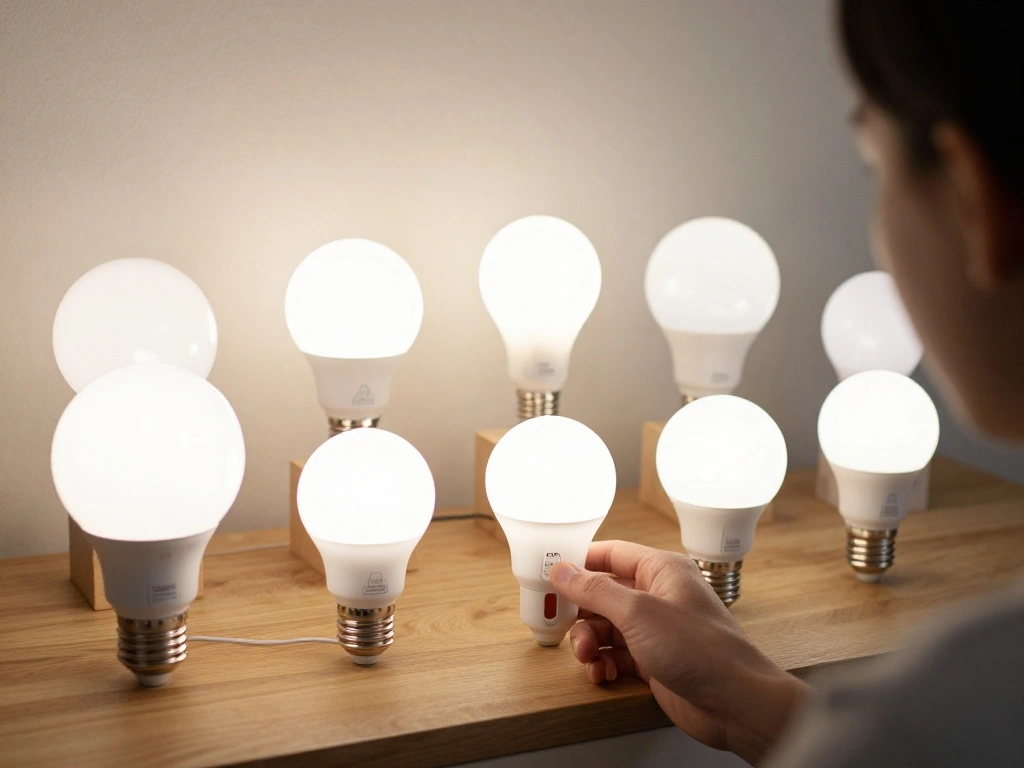
Before committing to a purchase, testing different lighting options can help you visualize the final outcome. Here’s how to do it:
- Purchase a few LED bulbs of different types and color temperatures.
- Install them in your existing fixtures to see how they illuminate your space.
- Observe the ambiance and note which options work best.
Pro Tip: Take photos of the room with different lighting to compare later.
Why this matters: Testing helps you avoid the regret of selecting the wrong lighting and ensures satisfaction with your choice.
Time estimate for this step: 30-45 minutes.
Step 7: Test Different Lighting Options
Editor’s Choice
Linkind A19 LED Light Bulbs Dimmable, 60W Equivalent, Energy Efficient 9…

Govee Smart Light Bulbs, Color Changing Light Bulb, Work with Alexa and …

hykolity 12 Inch Selectable CCT LED Round Flat Panel Light, 24W 3000K/40…
Step 8: Make Your Final Selection

Now that you have tested various options, it’s time to finalize your selection. To do this, follow these steps:
- Review your notes and photos from the testing phase.
- Consider your budget and select the best options that fit your needs.
- Purchase the chosen bulbs and fixtures, ensuring they are compatible.
Pro Tip: Buy in bulk to save on costs if you’re lighting multiple rooms.
Why this matters: Making an informed decision based on testing and notes increases your chances of satisfaction with your lighting choice.
Time estimate for this step: 15-20 minutes.
Step 8: Make Your Final Selection
Editor’s Choice

12 Pack LED Light Bulbs 100 Watt Equivalent, A19 15W 5000K Daylight, Sup…
A19 LED Smart Light Bulb 3-Pack – White and Color Ambiance – 60W Indoor …

Ensenior 12 Pack 6 Inch LED Recessed Ceiling Light, Dimmable, 2700K-5000…
Step 9: Install Your New LED Lights
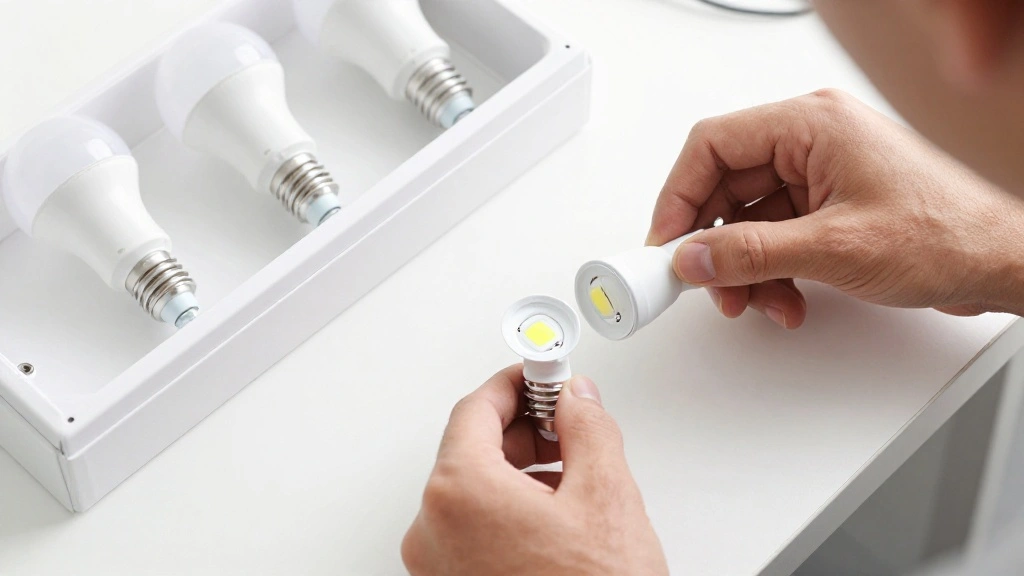
Finally, it’s time to install your new LED lights! Follow these steps for a safe installation:
- Turn off the power to the fixtures where you will be installing the new bulbs.
- Carefully remove the old bulbs and fixtures if necessary.
- Install the new LED bulbs by screwing or fitting them into place.
- Turn the power back on and test the lights to confirm they work correctly.
Warning: Always ensure the power is off before replacing bulbs to avoid electrical shock.
Why this matters: Proper installation ensures your lights function as intended and enhances the safety of your environment.
Time estimate for this step: 30-45 minutes.
Step 9: Install Your New LED Lights
Editor’s Choice
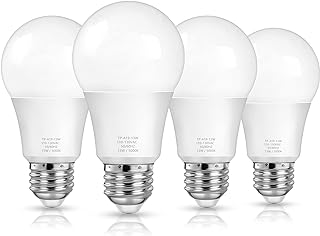
MAXvolador A19 LED Light Bulbs, 100 Watt Equivalent LED Bulbs, Daylight …

JOREST 152 in 1 Precision Screwdriver Set, Tool Gifts for Men, Magnetic …

Fluke 1AC II VoltAlert Non-Contact Voltage Tester, Pocket-Sized, 90-1000…
Pro Tips
- Dimmer Switches: Consider installing dimmer switches for flexibility in brightness.
- Smart Lighting: Explore smart LED options for programmable lighting schedules.
- Layered Lighting: Use a mix of ambient, task, and accent lighting for a well-rounded setup.
- Regular Maintenance: Clean your fixtures and bulbs regularly for optimal performance.
- Consult Professionals: When in doubt, consult a lighting professional for tailored advice.
Pro Tips
Editor’s Choice

Caseta Original Smart Dimmer Switch, LED Dimmer Switch, 150W, Single-Pol…
Govee RGBIC LED Strip Lights, Smart LED Lights for Bedroom, Bluetooth LE…
Amazon Basics Smart A19 LED Light Bulb, Color Changing, 9W (60W Equivale…
Common Mistakes to Avoid
Warning: Failing to measure your room accurately can lead to purchasing too few or too many lights. Ensure you have the right measurements before shopping.
Warning: Choosing bulbs based solely on price can compromise quality. Invest in reputable brands for better performance.
Warning: Overlooking energy ratings can lead to higher electricity bills. Always check for energy-efficient options.
Common Mistakes to Avoid
Editor’s Choice

LE LED Light Bulbs 60 Watt Equivalent, 9W 800 Lumens Non-Dimmable, Dayli…
Govee RGBIC LED Strip Lights, Smart LED Lights for Bedroom, Bluetooth LE…
hykolity 12 Inch Selectable CCT LED Round Flat Panel Light, 24W 3000K/40…
Troubleshooting Section
Problem: Lights flicker or are too dim.
Solution: Check the wattage compatibility; ensure bulbs match fixture requirements.
Problem: Color temperature looks different than expected.
Solution: Return or exchange bulbs for a different temperature based on your testing results.
Problem: Bulbs burn out quickly.
Solution: Ensure that they are compatible with dimmer switches and check for voltage issues.
Troubleshooting Section
Editor’s Choice

Feit Electric A19 LED Light Bulb, 60W Replacement, Dimmable, Selectable …

LED Bulb Power Tester, 60-300V Adaptive Voltage LED Strip Lamp Beads Lig…

Lepro Dimmable LED Light Bulbs 60 Watt Equivalent, 9.5W 800LM Daylight W…
Variations/Alternative Methods
- Using Smart LEDs: Provides remote control and scheduling options for convenience. Ideal for tech-savvy users.
- Natural Light Optimization: Incorporate mirrors and light-colored decor to amplify natural light.
- Solar-Powered LEDs: An eco-friendly option for outdoor spaces, reducing electricity costs.
Variations/Alternative Methods
Editor’s Choice
Amazon Basics Smart A19 LED Light Bulb, Color Changing, 9W (60W Equivale…

LOAAO 24X32 LED Bathroom Mirror with Lights, Anti-Fog, Dimmable, Backlit…
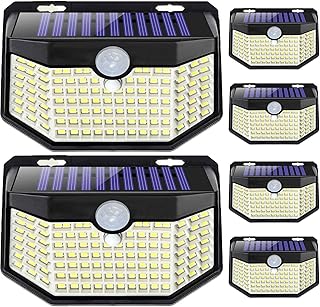
HMCITY 120 LED Outdoor Solar Lights with Motion Sensor and 3 Lighting Mo…
FAQs
What if I don’t have a dimmer switch? You can still enjoy LED benefits; just use standard bulbs and fixtures.
How long should I expect my LED lights to last? Most LED bulbs can last up to 25,000 hours when used correctly.
Is it safe to mix different brands of LED bulbs? Yes, but ensure they are compatible with your fixtures and wattage ratings.
FAQs
Editor’s Choice

NEW LED Keeper Pro – The Complete LED Christmas Holiday Light Set Repair…

dalattin 24 Pack LED Bulbs Daylight White 5000K, 60 Watt Equivalent A19 …

Lithonia Lighting 4 Foot LED Light Fixture, Low-Profile LED Wraparound F…
Conclusion
Congratulations on your journey to selecting the right LED lights for your room! You’ve gathered the essential knowledge to illuminate your space effectively. With your new lighting setup, enjoy the ambiance and functionality that perfectly aligns with your needs.
As a next step, consider exploring more advanced lighting techniques, like smart lighting systems or custom fixtures. Don’t hesitate to apply what you’ve learned to other rooms in your home. Brighten up your life with thoughtful lighting choices!