
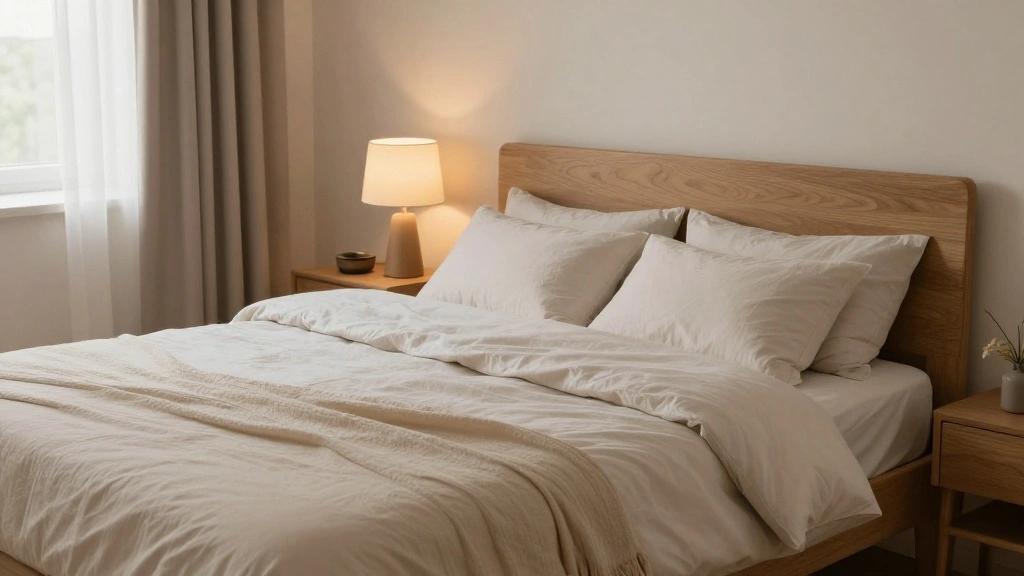
Are you struggling to get a good night’s sleep? A chaotic or uncomfortable bedroom can significantly impact your rest. If your bedroom feels more like a source of stress rather than relaxation, it’s time to make some changes. Creating a calming environment in your bedroom can lead to better quality sleep and improved overall well-being.
In this guide, you will learn how to transform your bedroom into a serene sanctuary. By following the steps outlined below, you will accomplish a space that promotes relaxation and restful sleep. From selecting the right color palette to adjusting lighting and decluttering, every detail matters.
This guide is designed for beginner DIY-ers and will take you approximately 2-3 hours to complete. You will discover specific techniques that make your bedroom a peaceful retreat, enhancing your sleep quality. Let’s get started on creating your personal oasis!
TL;DR Summary
- Create a peaceful environment with calming colors and decor.
- Invest in quality bedding and pillows for comfort.
- Minimize noise and light disturbances for better sleep.
- Declutter and organize your bedroom for a relaxing atmosphere.
Recommended Products
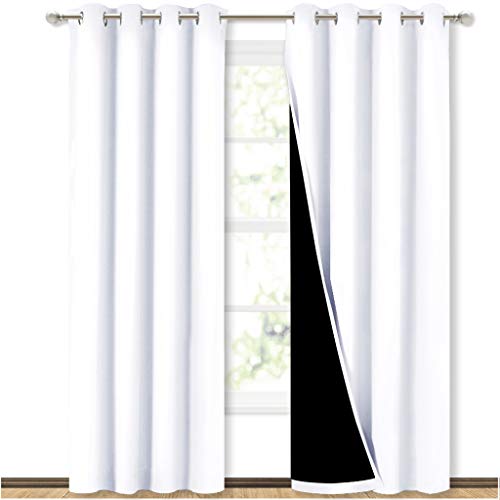
Ready Made: 2 panels per package. Each Classic Curtain measures 52" wide x 84" long (Total width is 104"). The unique design of the silver grommet (1.6 inch inner diameter) creates casual elegance for your house, which makes the curtains easy to install and slide.

MULTIPLE HANGING: Sold per pair, including 2 window panels - Panel measures: 52 x 84 - inches | Set measures: 104 x 84 - inches, with 3 curtain top hanging options (Back tab & Rod pocket & Pleated) for your personalized style. Each panel sewn with 4" rod pocket (7 back loops), 2" bottom hem and 0.8" side hem, specialized fitting the curtain rods up to 3

Pair Sold: Each package includes 2 panels of total blackout curtains. Each panel measures 40"W x 63"L, with a pair measuring 80"W x 63"L. Each panel has 6 anti-rust silver grommets(1.6 inch inner diameter) which would fit most standard curtain rods, which makes the curtains easy to install and slide
TL;DR Summary
Editor’s Choice

Grabie 50 Colors Watercolor Paint Set, Detail Paint Brush Included, Wate…


Niagara Sleep Solution Ultra Soft Queen Size Mattress Topper – Rayon Der…

MIULEE Blackout Curtains for Bedroom Living Room 2 Panels, Thermal Insul…
Prerequisites/Materials Needed
- Paint (calming color like soft blue or green)
- Soft bedding (comforter, sheets, and pillows)
- Blackout curtains or eye mask
- Essential oils or a diffuser
- Indoor plants (optional)
- Storage bins for decluttering
- Soft lighting (lamps or fairy lights)
- Cleaning supplies
Prerequisites/Materials Needed
Editor’s Choice
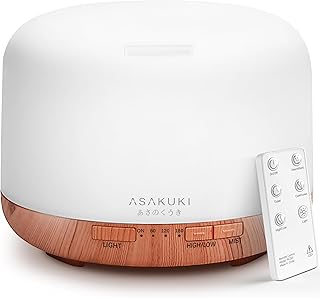
ASAKUKI Essential Oil Diffuser for Home, 500ML Aromatherapy Diffuser Hum…

YOA Sheepskin Texture Wall Paint, Art Paint, Manor White 32 oz, For Wall…

MIULEE 100% Blackout Linen Textured Curtains for Bedroom Solid Thermal I…
Skill Level & Time Estimate
Skill Level: beginner
Total time estimate: 2-3 hours
Breakdown:
- Planning and gathering materials: 30 minutes
- Painting or decorating: 1-2 hours
- Organizing and decluttering: 30 minutes
Skill Level & Time Estimate
Editor’s Choice

MIULEE Blackout Curtains for Bedroom Living Room 2 Panels, Thermal Insul…
Step 1: Choose a Calming Color Palette
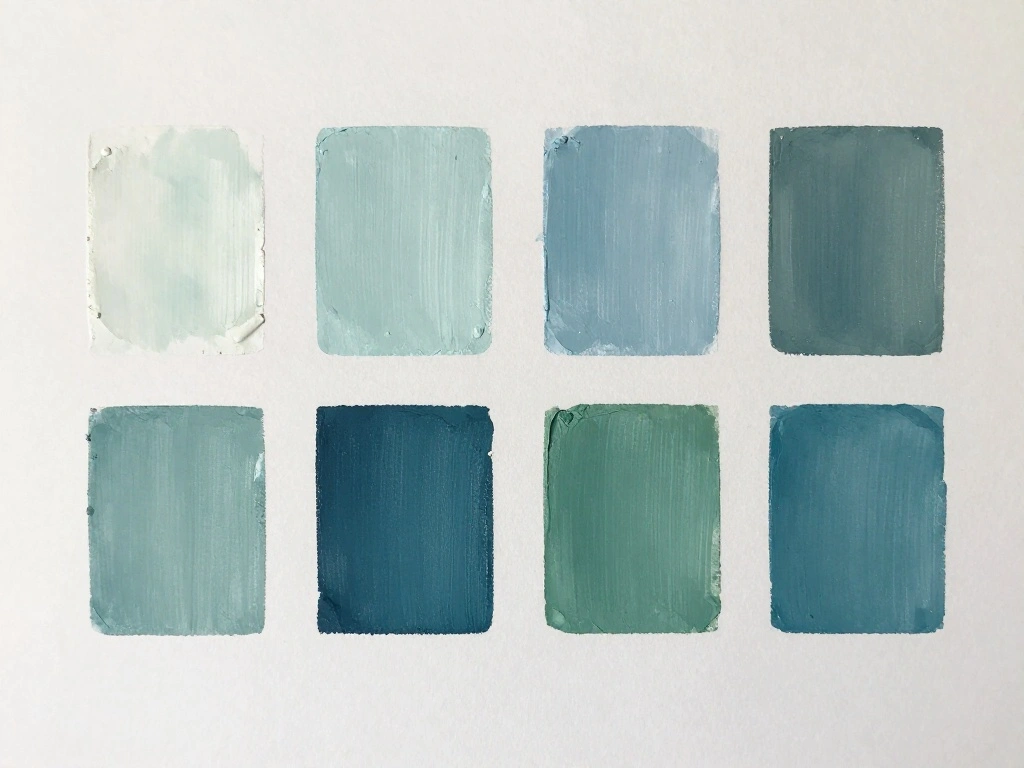
Selecting the right colors for your bedroom walls and decor is crucial in establishing a relaxing atmosphere. Follow these steps:
- Choose a base color: soft blues, greens, or neutral tones.
- Pick accent colors for decor that complement your base color.
- Consider adding textures through fabrics or wallpapers to enhance comfort.
Pro Tip: Test paint samples on the wall to see how they look in different lighting throughout the day.
Why this matters: Calming colors can reduce stress and anxiety, promoting relaxation and better sleep.
Time estimate for this step: 30 minutes.
Step 1: Choose a Calming Color Palette
Editor’s Choice

MIULEE Boho Farmhouse Sage Green Throw Pillow Covers 18×18 Inch Set of 4…

FolkArt Acrylic Paint (2 Ounce), 402 Light Blue

Roman’s E-Z Hang Peel & Stick Wallpaper Helper, Clear, Non-Staining, 3…
Step 2: Invest in Quality Bedding
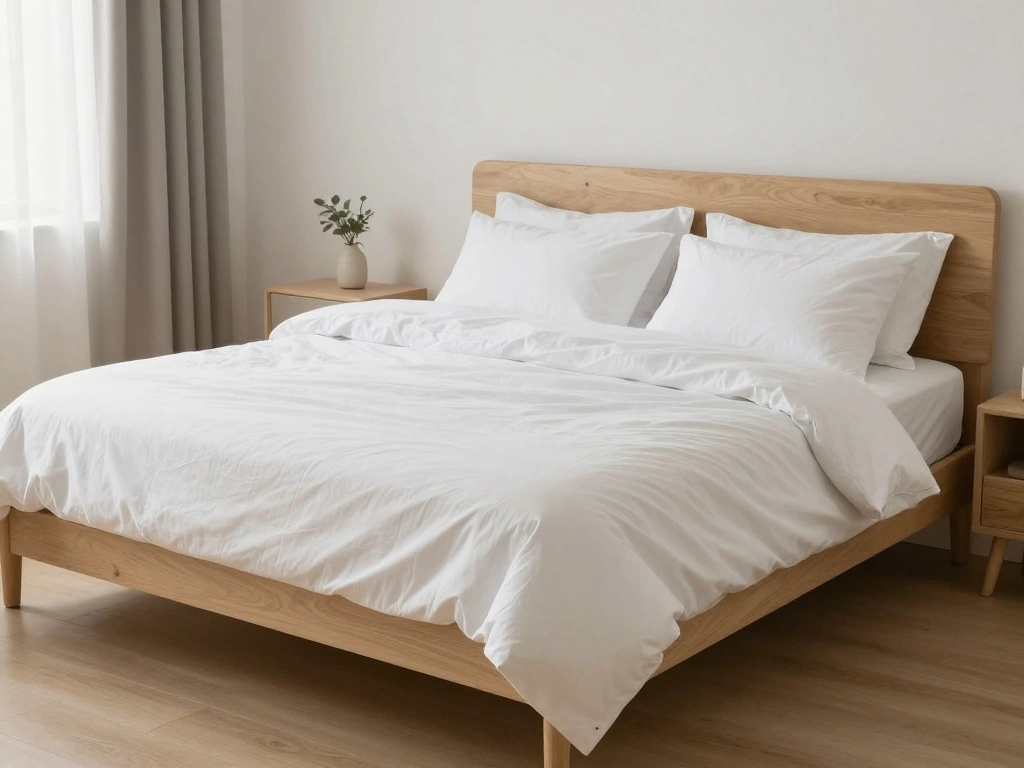
Your bed should be a haven of comfort. Ensure you have quality bedding by following these steps:
- Choose a comfortable mattress that suits your sleeping style.
- Select soft, breathable sheets (cotton or linen recommended).
- Invest in a supportive pillow that aligns with your neck and spine.
Warning: Avoid overly firm or worn-out mattresses, as they can lead to discomfort and poor sleep quality.
Why this matters: Quality bedding directly impacts your comfort level and can significantly affect the quality of your sleep.
Time estimate for this step: 30 minutes.
Step 2: Invest in Quality Bedding
Editor’s Choice

DreamCloud Luxe 14″ Queen Mattress – Luxury Hybrid Gel Memory Foam – 365…

Queen Size 4 Piece Sheet Set – Comfy Breathable & Cooling Sheets – Hotel…
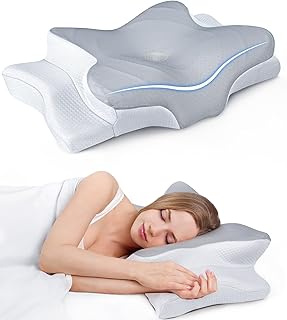
Ultra Pain Relief Cooling Pillow for Neck Support, Adjustable Cervical P…
Step 3: Control Noise and Light
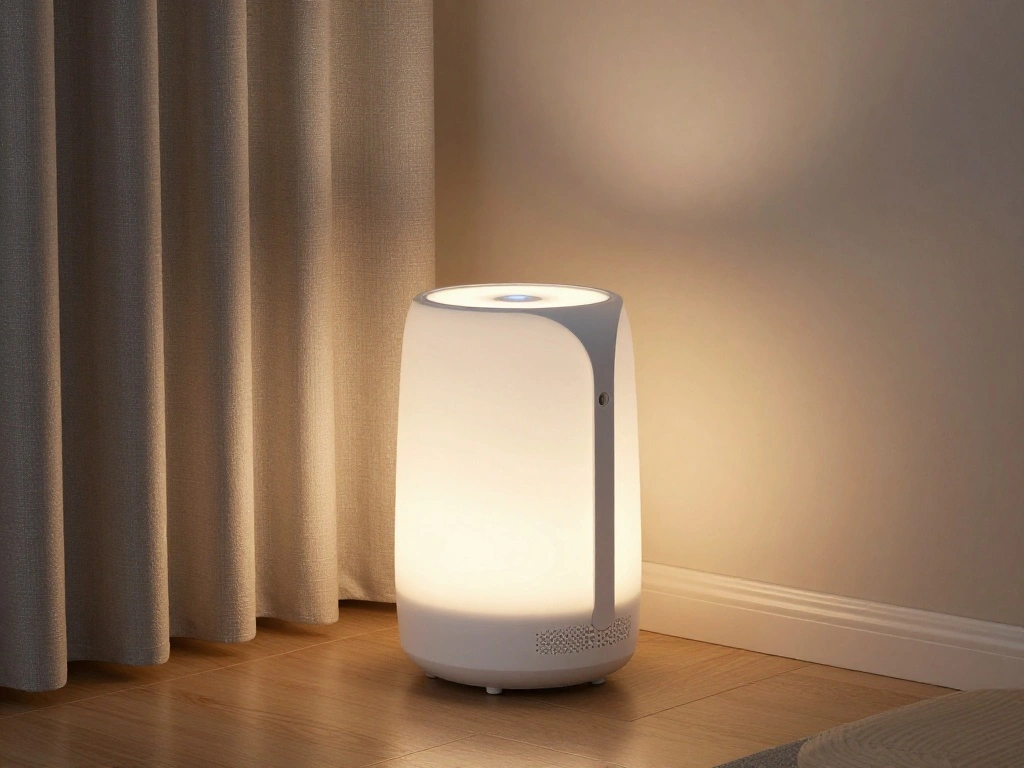
Creating a quiet and dark environment is essential for sleep. Here’s how to manage noise and light:
- Install blackout curtains to block outside light.
- Add a white noise machine or use a fan to drown out disruptive sounds.
- Consider using an eye mask for additional darkness.
Pro Tip: Soft rugs can help absorb sound and make your space feel cozier.
Why this matters: Reducing noise and light helps your body relax and fall asleep faster, improving sleep quality.
Time estimate for this step: 30 minutes.
Step 3: Control Noise and Light
Editor’s Choice

Magicteam Sound White Noise Machine with 20 Non Looping Natural Soothing…

NICETOWN Halloween Pitch Black Solid Thermal Insulated Grommet Blackout …
Step 4: Declutter and Organize
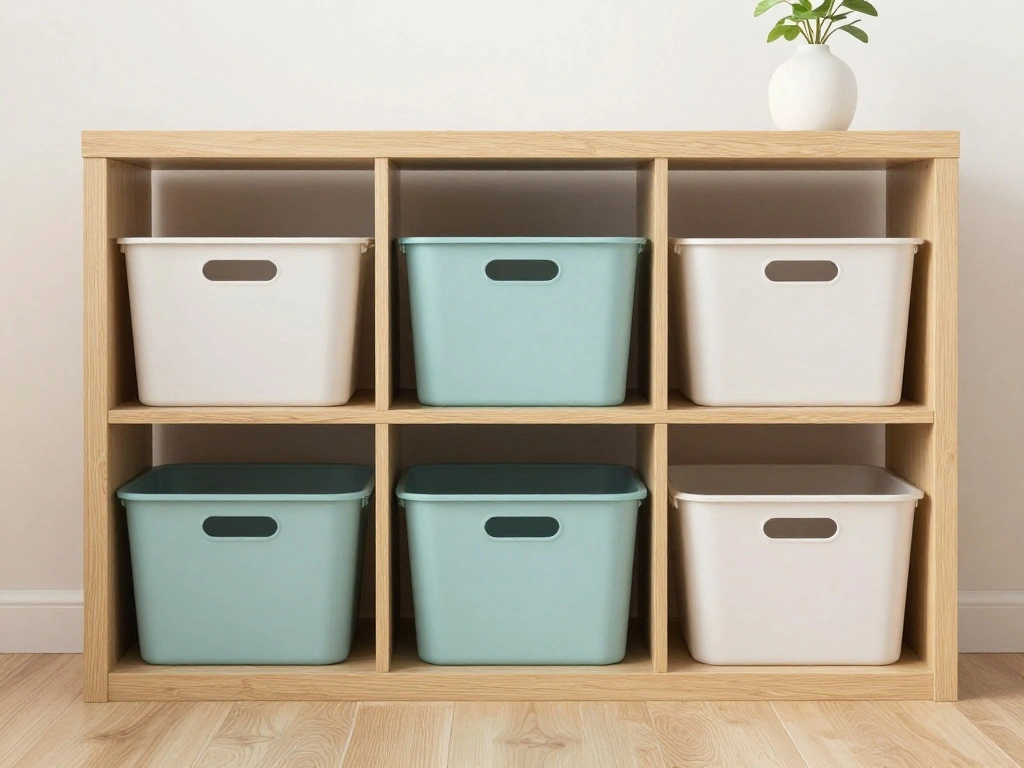
A cluttered room can create mental stress, so it’s essential to keep your space organized. Follow these steps:
- Remove items that do not belong in the bedroom.
- Use storage bins to keep your belongings organized.
- Keep surfaces clear to create a peaceful environment.
Warning: Avoid overfilling storage bins, as this can lead to more clutter over time.
Why this matters: A tidy space can help clear your mind, making it easier to relax and sleep.
Time estimate for this step: 30 minutes.
Step 4: Declutter and Organize
Editor’s Choice
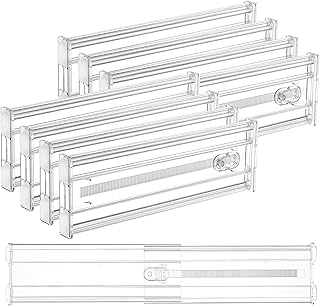
Vtopmart 8 Pack 4″ Regular Upgrade Drawer Dividers for Clothes, 12.8″-22…

ZICOTO Decorative Storage Boxes with Lids – Set of 2 Beautiful Fluted Ph…

Budding Joy 90L Under Bed Storage Containers, Closet Organizers and Stor…
Step 5: Add Calming Scents
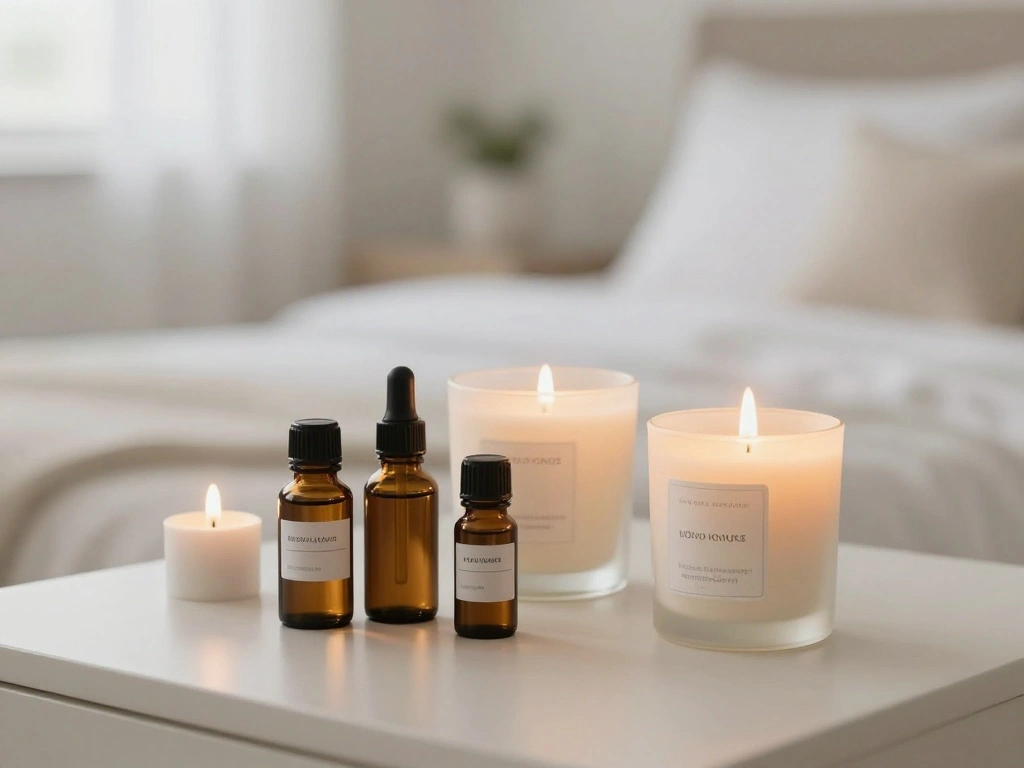
Incorporating pleasant scents can enhance relaxation. Here’s how to do it:
- Choose essential oils like lavender or chamomile for their calming properties.
- Use a diffuser to disperse the scents throughout the room.
- Consider adding scented candles (make sure to extinguish them before sleeping).
Pro Tip: Use a linen spray with calming scents on your pillows for an added touch of relaxation.
Why this matters: Aromatherapy can significantly impact your mood and help you unwind before sleep.
Time estimate for this step: 30 minutes.
Step 5: Add Calming Scents
Editor’s Choice

Majestic Pure Essential Oil with Glass Dropper – Essential Oils for Diff…

Chesapeake Bay Candle Scented Candle Serenity + Calm (Lavender Thyme) Co…
ASAKUKI Essential Oil Diffuser for Home, 500ML Aromatherapy Diffuser Hum…
Step 6: Personalize Your Space
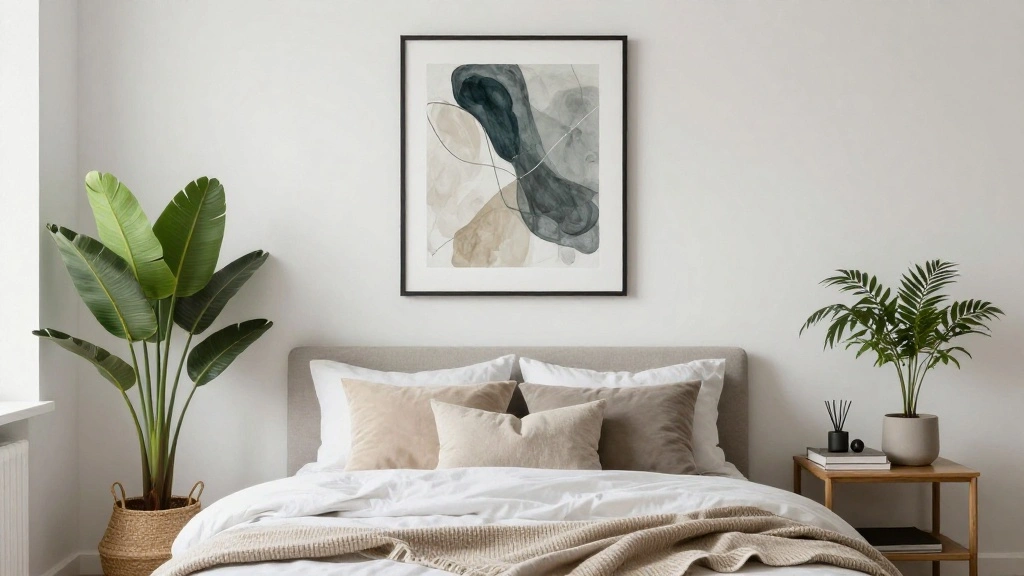
Finally, add personal touches that make you feel relaxed and happy. Consider the following:
- Hang artwork or photos that inspire calmness.
- Add soft textures like throw blankets or cushions.
- Incorporate indoor plants for a touch of nature.
Pro Tip: Choose items that evoke positive memories or feelings to enhance your emotional connection to the space.
Why this matters: Personalizing your environment can create a sense of belonging and comfort, making it easier to relax.
Time estimate for this step: 30 minutes.
Step 6: Personalize Your Space
Editor’s Choice

Costa Farms Live Indoor House Plants (3-Pack), Hand Selected Easy to Mai…

Inhale Exhale Mental Health Wall Art Prints Set of 4, Therapy Office Dec…

Fleece Throw Blankets Lightweight Warm Soft Cozy Pet-Friendly Bulk Fleec…
Pro Tips
- Lighting Choice: Use dimmable lights to adjust the atmosphere as needed.
- Routine Matters: Establish a bedtime routine to signal your body it’s time to wind down.
- Technology Detox: Limit screen time before bed to reduce blue light exposure.
- Temperature Control: Keep your room cool, ideally between 60-67°F (15-19°C).
- Soundproofing: Consider adding rugs or soundproofing materials if your room is noisy.
Pro Tips
Editor’s Choice

Kasa Smart Light Bulbs, Full Color Changing Dimmable Smart WiFi Bulbs Co…

NICETOWN Grey Full Shade Curtain Panels, Pair of Energy Smart & Noise Bl…
Common Mistakes to Avoid
Warning: Over-personalizing can lead to clutter. Keep decor minimal to maintain calmness.
Warning: Don’t skip quality bedding; it is essential for comfort. Invest in good bedding to avoid discomfort.
Warning: Neglecting to reduce noise can keep you awake. Use soundproofing techniques to enhance sleep quality.
Common Mistakes to Avoid
Editor’s Choice

Acoustic Panels 12-Pack Soundproof Wall Panels 12″X12″X0.4″ Sound Panels…

Bedside Shelf Wall Mount, Adhesive Bedside Shelf Accessories Organizer w…
Queen Size 4 Piece Sheet Set – Comfy Breathable & Cooling Sheets – Hotel…
Troubleshooting Section
Problem: I still can’t sleep after making changes.
Solution: Evaluate your bedtime routine; consider relaxation techniques like meditation.
Problem: The room still feels cluttered.
Solution: Reassess your storage solutions; consider donating items you no longer need.
Problem: My bedding is uncomfortable.
Solution: Upgrade to better quality pillows and sheets for improved comfort.
Troubleshooting Section
Editor’s Choice

1800 Thread Count Sheet Set – Soft Egyptian Quality Brushed Microfiber…

Household Essentials Foldable Fabric Storage Bins 6 Piece Set, Strong Po…

Tempur-Pedic TEMPUR-Cloud Pillow for Sleeping, Standard, White
Variations/Alternative Methods
Consider these alternatives to create a relaxing bedroom:
- Minimalist Approach: Focus on fewer, high-quality items that promote tranquility.
- Bohemian Style: Use vibrant colors and textures for a unique, cozy vibe.
- Scandinavian Design: Opt for clean lines and natural materials for a soothing environment.
Variations/Alternative Methods
Editor’s Choice

Bedsure GentleSoft Sherpa Fleece Blanket Queen Size for Bed, Non-Heated,…
ASAKUKI Essential Oil Diffuser for Home, 500ML Aromatherapy Diffuser Hum…
MIULEE Blackout Curtains for Bedroom Living Room 2 Panels, Thermal Insul…
FAQs
What if I don’t have blackout curtains? You can use an eye mask to block out light, or try hanging thick blankets over the windows.
How long should I keep my bedroom dark? Aim for complete darkness during sleep hours to improve sleep quality.
Is it safe to use essential oils? Yes, as long as they are diluted properly and used according to guidelines.
FAQs
Editor’s Choice

MZOO Luxury Sleep Eye Mask for Side Sleeper Men Women, Zero Eye Pressure…

ChrisDowa Grommet Blackout Curtains for Bedroom and Living Room – 2 Pane…
ASAKUKI Essential Oil Diffuser for Home, 500ML Aromatherapy Diffuser Hum…
Conclusion
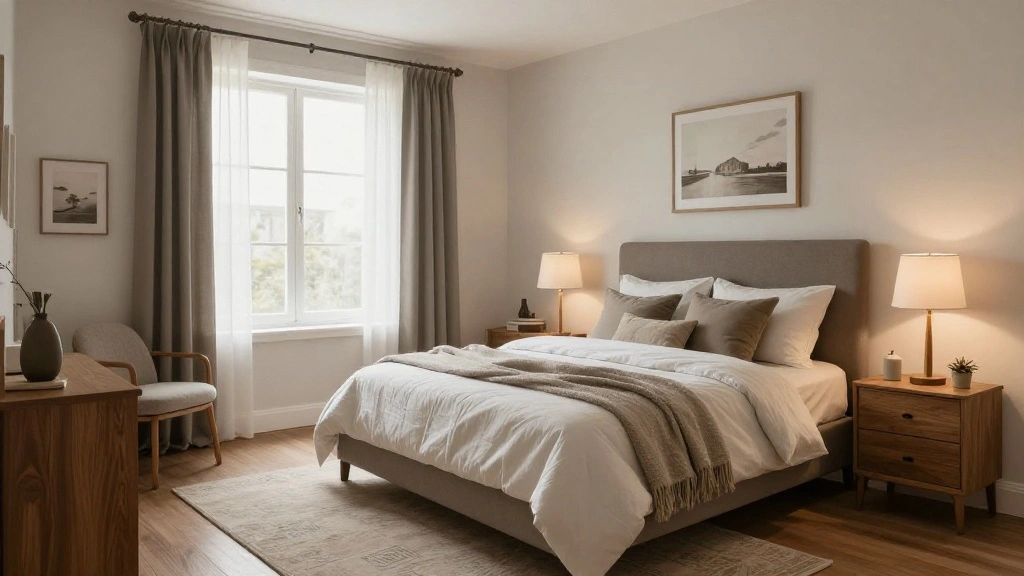
Congratulations on taking the steps to create a relaxing bedroom! You have set the stage for better sleep and improved well-being by making these changes. Remember, your bedroom is your personal sanctuary, and maintaining its calming atmosphere is key to achieving restful sleep.
As you continue to enjoy your new space, consider exploring additional relaxation techniques or bedroom decor ideas to enhance your experience further. Happy sleeping!