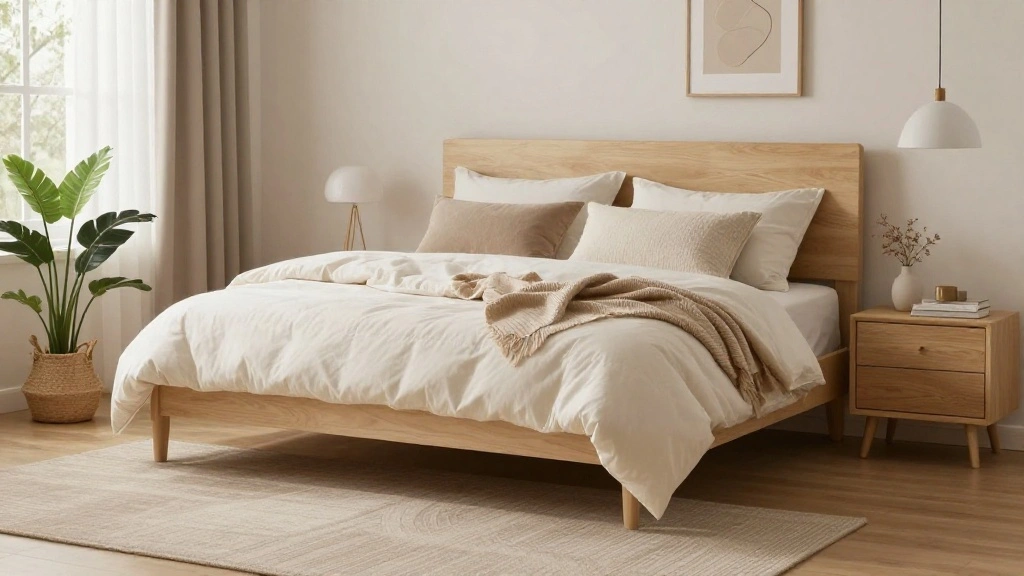
Creating a calming space in a small home is essential for maintaining mental well-being, especially in today’s fast-paced world. Many people struggle to find tranquility amidst the clutter and chaos of their living environments. Without a designated peaceful area, stress levels can rise, leading to increased anxiety and discomfort.
In this guide, you will learn how to transform a small area in your home into a soothing retreat, focusing on elements that promote relaxation and mindfulness. By following these steps, you will accomplish the creation of a serene space that invites calmness and peace, regardless of your home’s size.
Specifically, you will learn about decluttering techniques, choosing calming colors, incorporating nature, and using lighting effectively.
This guide is designed for beginner decorators and will take approximately 2-3 hours to complete.
Let’s dive into the steps to cultivate your own tranquil oasis!
TL;DR Summary
– Identify a small area for your calming space.
– Declutter and organize that space for clarity.
– Choose calming colors and decor that promote relaxation.
– Incorporate natural elements like plants or water features.
– Use soft lighting to enhance the peaceful atmosphere.
Recommended Products

Package Includes: you will receive a package that comes with 27 pieces calm down posters and emotion charts, with 3 sheets of glue points; The size of the biggest poster is about 13.77x7.87 inches; The posters come in with enough quantity, can not only add colorful but also fill with education to your class

Calming Corner Poster Set: you will get 20 pieces of feelings poster in 20 kinds of styles, each measures about 10 x 8 inches/ 25 x 20 cm, assorted styles to show different cooling methods and incentives, creating a peaceful and harmonious environment for your babies

🌞 This rainbow throw pillow cover is teacher and school counselor office must have and it can be decorations for boho rainbow and wonderfully wild classroom. At the same time, you can also decorate the reading corner and calming corner items.
TL;DR Summary
Editor’s Choice

How Not to Kill Your Houseplant New Edition: Survival Tips for the Horti…

![ROOTRO Table Lamp, [Advanced] Bedside Touch Control Lamp for Bedroom 3 L...](https://m.media-amazon.com/images/I/51m3qLmx0EL._AC_UL320_.jpg)
ROOTRO Table Lamp, [Advanced] Bedside Touch Control Lamp for Bedroom 3 L…

Henri Matisse Wall Art Prints Pink Blue Canvas Wall Decor Aesthetic Pict…
Prerequisites/Materials Needed
- Space: A small corner or room in your home
- Storage boxes or baskets: 1-3
- Calming color paint or wallpaper: 1 can/roll
- Soft textiles: cushions, throws (2-4 pieces)
- Plants: 1-3 (choose low-maintenance varieties)
- Lighting: Soft lamps or fairy lights
- Decor elements: art prints or photos (2-3 pieces)
Recommended Products

TAILORED FOR SHELVING & CLOSET SYSTEMS: Sized at 13"L x 9"W x 7.8"H, this 4-pack is precision-engineered to fit into closet organizers and storage units. The rectangular silhouette maximizes shelf space, providing a cohesive, organized look for your bedroom wardrobes and laundry room cubbies

Optimize Space Utilization: BINO's plastic baskets help you maximize space efficiency and storage capacity, ensuring your bedroom, kitchen, or closet remains clutter-free.
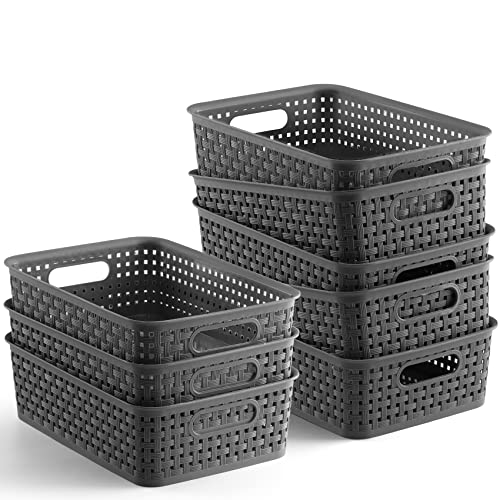
PRODUCT CONFIGURATION: 8 woven pattern plastic baskets, gray. Dimensions:10.6” L x 7.2” W x 3.2” H, basket use small holes design helping ventilation, better organization and storage items.
Prerequisites/Materials Needed
Editor’s Choice
3-Pack Small Storage Baskets for Organizing | Woven Shelf Toy Basket | R…
Skill Level & Time Estimate
Skill Level: beginner
Total time estimate: 2-3 hours
Breakdown of time by major steps:
– Decluttering: 1 hour
– Painting/Decorating: 1 hour
– Adding Textiles and Decor: 1 hour
This structured approach will help you effectively manage your time and ensure a calming atmosphere.
Recommended Products
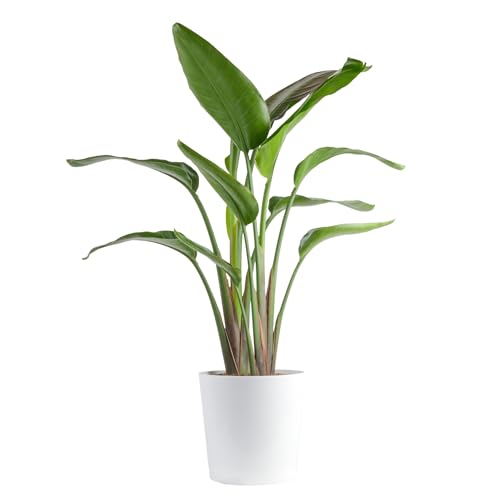
PERFECT ROOM DÉCOR: The grand scale and exotic leaves of this large, live White Bird of Paradise create a commanding tropical live plant decor presence. Perfect for a bright living room, dining room, or office focal point
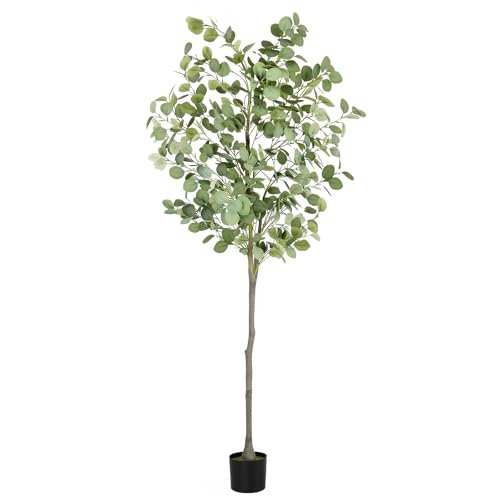
Natural Texture:This eucalyptus plant 6ft has a textured trunk that feels like a real tree, dense and natural branches and leaves, and matte leaves that completely lack the cheap luster of plastic. Placed at home like a living eucalyptus tree, fresh and vibrant, guests have to touch it to be sure it's fake

PERFECT SIZE: The plant pot is 3.94" in diameter and 3.15" in height. The artificial potted plant measures appr—15.8" tall from the bottom of the pot to the top of the plant. With its compact and manageable size, the artificial table plant allows you to effortlessly incorporate a touch of greenery into smaller spaces.
Skill Level & Time Estimate
Editor’s Choice

InnoGear Essential Oil Diffuser, Ultrasonic Diffusers for Home Aromather…

Costa Farms Live Indoor House Plants (3-Pack), Hand Selected Easy to Mai…

BEDELITE Fleece Throw Blanket for Couch – 300GSM Soft & Warm Fluffy Crea…
Step 1: Choose Your Space
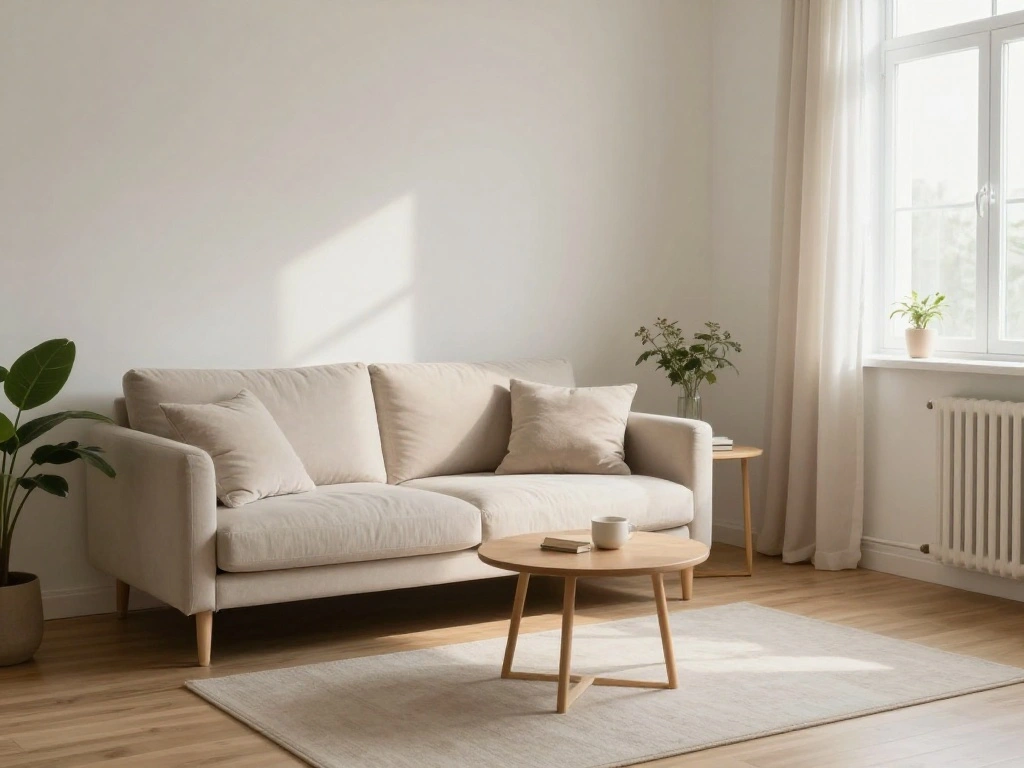
Identify a specific area in your home that you can dedicate to your calming space. This could be a corner of a room, a small nook, or even a window seat. Follow these sub-steps to finalize your spot:
1. Look for a quiet area away from hustle and bustle.
2. Ensure the space has good natural light or enough room for lamps.
3. Consider accessibility for relaxation activities like reading or meditating.
Warning: Avoid areas with high traffic or distractions that can disrupt your peace.
Why this matters: Choosing the right space sets the foundation for your calming environment. A well-selected area can significantly enhance relaxation and mindfulness.
Time estimate: 15-30 minutes.
Recommended Products

【Bright and Warm Christmas String Lights】Our Outdoor Christmas lights use higher brightness LED bulbs, while the plug power supply greatly improves the stability of the bulb brightness, making each of our LED bulbs shine 360 degrees, providing you with a constant crystal clear glow! These Plug in Christmas lights are very warm, soft, and non-dazzling, adding a classic and charming glow to your Christmas decorations.

8 Modes of Light with 4 Dimming Levels: The 4-level dimming feature on the remote control makes it simple to change the brightness from 100% to 25%, making it ideal for movie nights and holiday gatherings. 8 dynamic patterns—combination, in waves, sequential, slo-glo, chasing/flash, slow fade, twinkle/flash, and stable on—are available for selection. Unlike traditional Christmas lights, these modes are automatically memorized after a power outage and don't require manual adjustments. Allow suddus remote control string lights to enhance your enjoyment and ease

Battery Operated String Lights: Powered by 3*AA battery (batteries NOT included). The battery box is not waterproof, please keep it away from water
Step 1: Choose Your Space
Editor’s Choice

Retrospec Sedona Zafu Meditation Cushion with Buckwheat Hull Fill – Adju…

64.6″ Floor Lamp, Pole with Foot Switch, Modern Standing Lamp Lampshade,…
Step 2: Declutter and Organize

Clear the space of unnecessary items to create a serene environment. Organize the space using the following steps:
1. Remove everything from the area.
2. Sort items into ‘keep’, ‘donate’, and ‘discard’ piles.
3. Use storage boxes or baskets to keep essentials organized.
Pro Tip: Keep only items that bring you joy or relaxation, like books, candles, or photos.
Why this matters: Decluttering fosters clarity and calmness, making the space feel more inviting and less overwhelming.
Time estimate: 1 hour.
Recommended Products

LAVENDER ESSENTIAL OIL – Features a soft, floral lavender aroma for use in diffusers, DIY projects, home fragrance, and personal care formulations.

Aromatherapy Oils for Diffuser - Try our dream aromatherapy diffuser oils blend with lavender oil chamomile oil clary sage oil and ylang ylang essential oils for diffusers for home and travel use

6 SIGNATURE AROMATHERAPY BLENDS: Elevate your daily routine with GuruNanda’s curated blend collection — Calming Sleep, Breathe Easy, Relaxation, Tranquility, Harmony & Thrive — designed to support moments of rest, clarity, and balance.
Step 2: Declutter and Organize
Editor’s Choice

IRIS USA 54 Qt Stackable Plastic Storage Bins with Lids, 6 Pack – BPA-Fr…

JMvicyroam Woven Basket,Small Rope Storage Bin with Handles & Ribbon Bag…
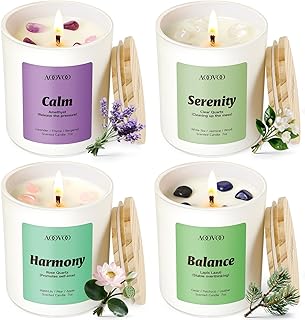
AOOVOO Calm Candles Set for Women – 4 Pack Candles for Home Scented, 28 …
Step 3: Choose Calming Colors

Select calming colors for your walls and decor. Colors significantly impact mood and relaxation. Follow these steps:
1. Decide on a color palette that resonates with you (soft blues, greens, or neutral tones work well).
2. Purchase paint or wallpaper in your chosen colors.
3. Apply the color to your space or place decor items that match this palette.
Warning: Avoid overly bright or harsh colors that can create tension.
Why this matters: The right colors can help lower stress levels and enhance the tranquil atmosphere of your space.
Time estimate: 1 hour.
Recommended Products

【What Will You Get】 This all-inclusive pastel calm down corner bulletin board set features 17Pcs emotion management posters and 80Pcs adhesive dots, providing essential calm down corner supplies for creating engaging calming corner classroom or therapy office decor. Perfect as classroom decorations for emotional learning spaces.

【3 Lighting Modes baby night light】DORESshop color-changing night light comes with 3 different levels of lighting control settings: Solid color/3000K warm light/multicolor (cycle for 8 color). LED night lights plug into wall give the room appropriate illumination based on your choice.

Package Includes: you will receive a package that comes with 27 pieces calm down posters and emotion charts, with 4 sheets of glue points; The size of the biggest poster is about 13.77x7.87 inches; The posters come in with enough quantity, can not only add colorful but also fill with education to your class
Step 3: Choose Calming Colors
Editor’s Choice

FolkArt Acrylic Paint (2 Ounce), 402 Light Blue

KBIERQN Zen Stone Canvas Wall Art Stacked Stones in Water Poster Print T…

MIULEE Faux Fur Plush Decorative Throw Pillow Covers 18×18 Set of 4, Sum…
Step 4: Incorporate Nature
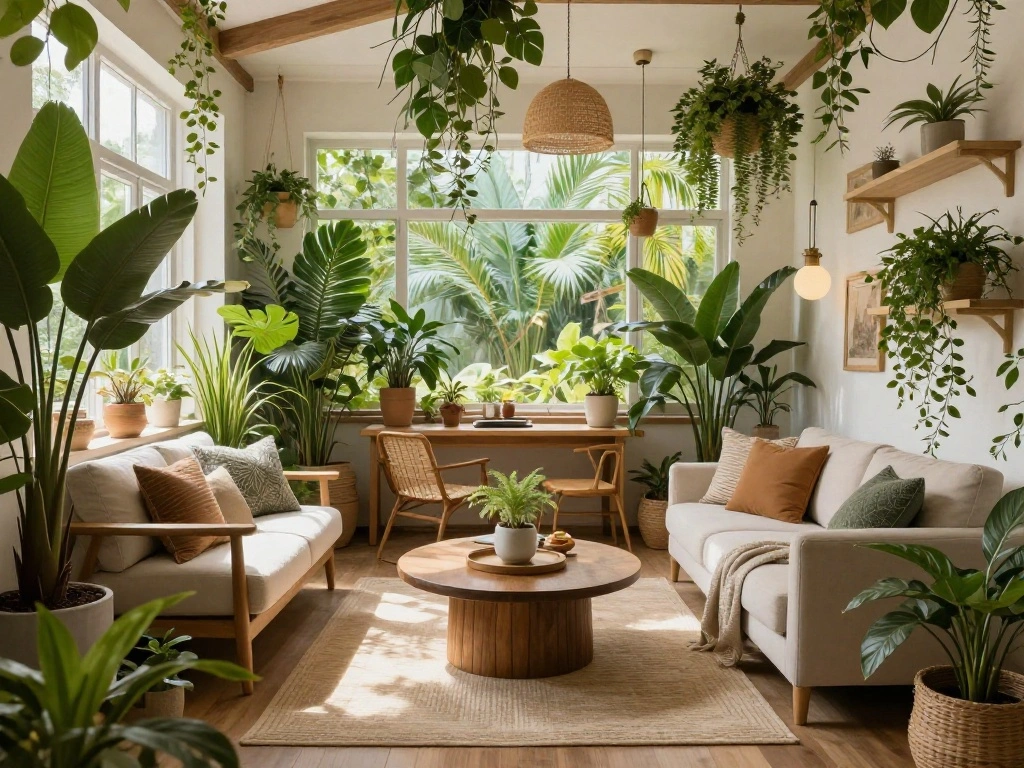
Add natural elements to your calming space. Nature has a soothing effect on the mind. Follow these steps:
1. Choose 1-3 plants that are easy to care for, such as succulents or peace lilies.
2. Consider adding a small water feature or a nature-inspired art piece.
3. Arrange plants and natural decor harmoniously in your space.
Pro Tip: Use pots or containers that match your color scheme for a cohesive look.
Why this matters: Incorporating nature creates a calming ambiance that promotes relaxation and peace.
Time estimate: 30 minutes.
Recommended Products
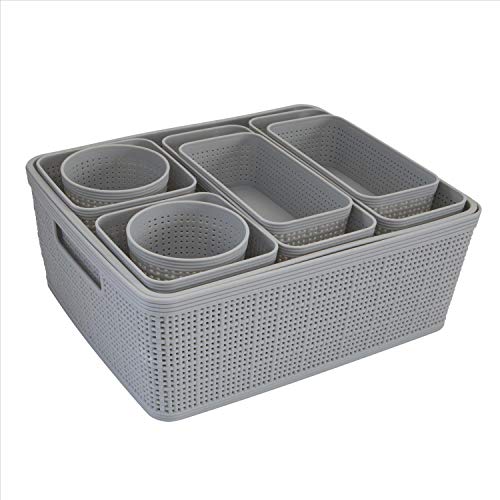
Dimensions: There are multiple sizes of baskets to accommodate a variety of items. 2 Round Baskets: 4" x 4" x 2.5", 2 Square Baskets: 5" x 5" x 2.5", 2 Rectangular Baskets: 7" x 4" x 2.5", 2 Rectangular Baskets: 10" x 4" x 2.5", 1 Large Rectangular Basket: 14" x 11" x 5", 1 Large Rectangular Tray: 14" x 11" x 2.5"


Step 4: Incorporate Nature
Editor’s Choice

97 Decor Vintage Botanical Wall Art – Vintage Botanical Prints Plant Pos…

Altman Plants Deluxe Live Succulents (6 Pack), No Duplicates, Assorted V…
Step 5: Use Soft Lighting
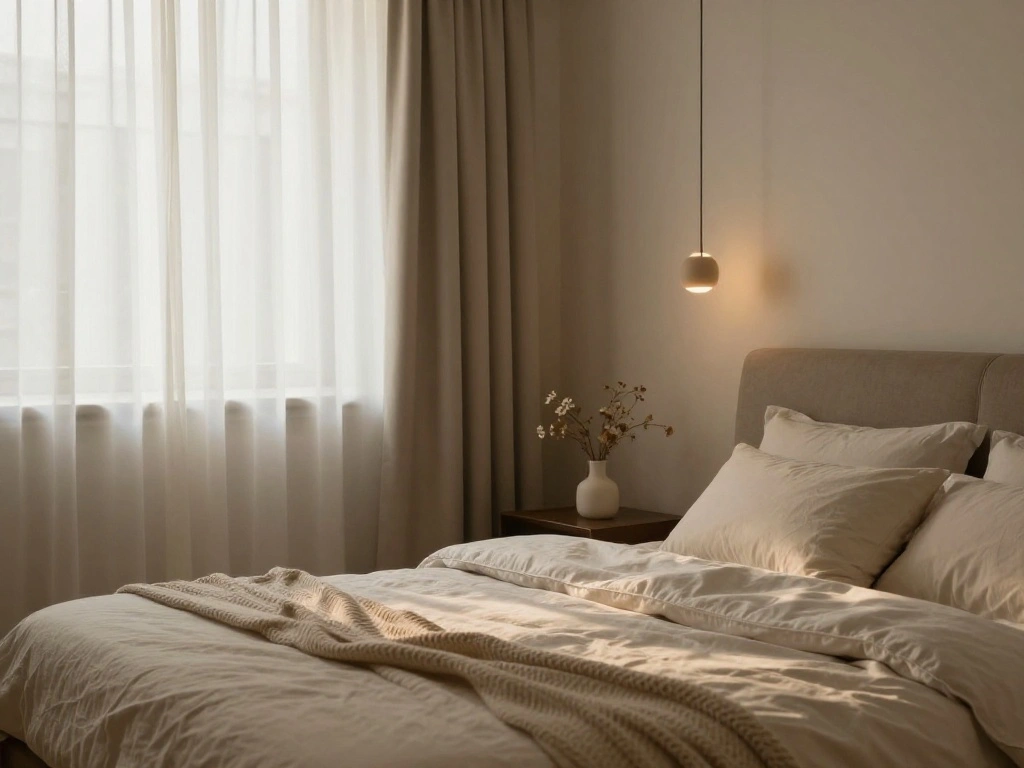
Install soft lighting in your calming space. Lighting plays a crucial role in setting the mood. Follow these steps:
1. Choose lamps with warm light bulbs or fairy lights.
2. Position the lights to create ambient lighting rather than harsh overhead lights.
3. Add dimmers if possible for adjustable lighting levels.
Warning: Avoid bright fluorescent lights that can disrupt the calming atmosphere.
Why this matters: Soft lighting enhances relaxation and makes the space inviting for restful activities like reading or meditating.
Time estimate: 30 minutes.
Recommended Products

Modern and Unique: The macrame plant holder specailly designed with hand knotted, bring a boho element to your home decor. Perfect design to show your lovely plants, simple ye meticulously hand-crafted, beautify any indoor outdoor corner spaces
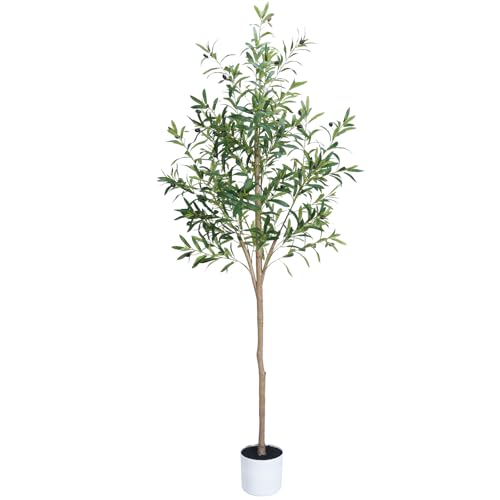
Realistic & Natural Look – Lifelike Olive Branches and Fruits This faux olive tree features soft green leaves, textured branches, and plump olive fruits that look incredibly realistic. Every detail is carefully crafted to bring a refreshing, natural touch to your living space and elevate the overall atmosphere.

LIVE INDOOR PLANTS: Includes 4 easy to grow pothos plants, approximately 8-10 in. tall measured from bottom of pot
Step 5: Use Soft Lighting
Editor’s Choice

BOHON LED Desk Lamp with USB Charging Port 3 Color Modes Dimmable Readin…
Step 6: Add Textiles and Decor
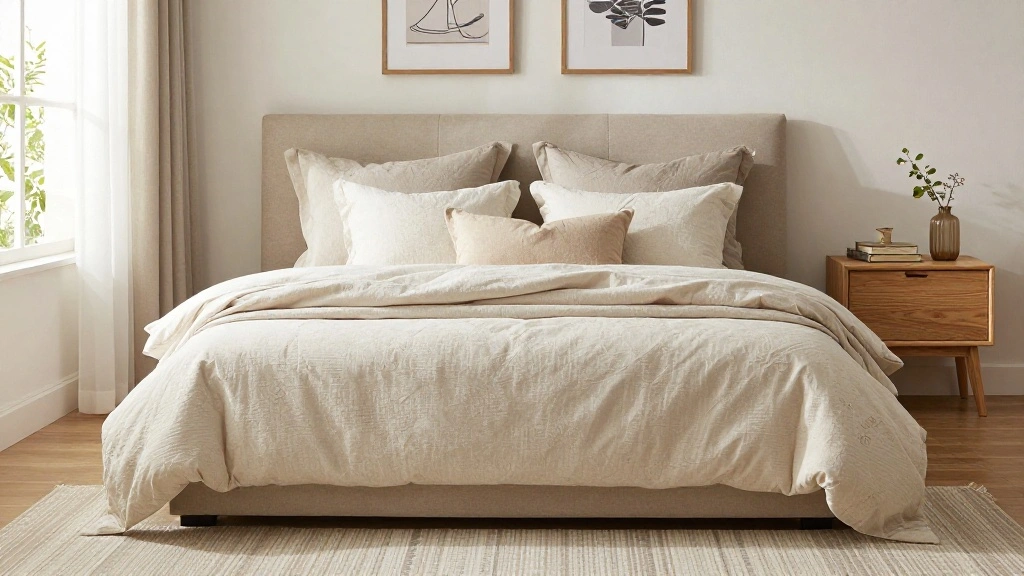
Incorporate soft textiles and decor to enhance comfort. Textiles can make a space feel inviting. Follow these steps:
1. Add cushions or a throw blanket in calming colors.
2. Hang artwork or photos that inspire tranquility.
3. Ensure the decor aligns with the calming theme you’ve established.
Pro Tip: Mix textures to create a cozy and inviting environment.
Why this matters: Thoughtful decor choices can make your calming space feel like a personal retreat.
Time estimate: 30 minutes.
Recommended Products

Bright: Led christmas lights are composed of warm white micro LEDs with big chips, brighter than others' led fairy lights. Perfect decoration for weddings, parties and kids' rooms

【Festive Mini Christmas Lights Set】This set includes 100 transparent incandescent mini-lights on 20 ft white wire, with bulbs spaced 2.4-inche apart and 18-inch lead wire. As classic Christmas lights outdoor and daily decorative outdoor string lights, it is perfect for holiday decorating or dorm decor, with the ability to connect up to 5 light strings end-to-end.

【Globe String Lights】The Led string lights come with frosted globes can create a soft, cosy light to take care of your eyes. So the lighting effect of the frosted ball is irreplaceable by other LED string lights. The cute string lights indoor provide a fun feel for room aesthetic to the bedroom, dorm, classroom, living room. The globe around the lights are shatterproof, it not only create a unique relaxing and soothing indoor atmosphere, but also enhances the durability of the string lights
Step 6: Add Textiles and Decor
Editor’s Choice

HYBLOM Inspirational Quote Motivational Wall Art – Hippie Boho Home Deco…

4Pack Inspirational Quote Throw Pillow Covers 18×18 Inch, Farmhouse Rust…

Bedsure GentleSoft White Throw Blanket for Couch – Birthday Gifts for Wo…
Pro Tips
- Layer Textures: Use a variety of materials like wood, fabric, and metal for visual interest.
- Personal Touch: Include items that reflect your personality, like photos or souvenirs, to make the space feel uniquely yours.
- Sound Elements: Consider adding a sound machine or soft music to further enhance the calming atmosphere.
- Keep It Clean: Regularly tidy up the area to maintain the serene environment.
- Mindful Use: Use the space for meditation, reading, or simply unwinding to reinforce its calming purpose.
Recommended Products

Essential Oil Blends: Introduce the long-lasting, pleasant, and relaxing aroma to your home with our Well-being aromatherapy diffuser oils set! Happy, Calm Mind, Air Freshening, Relax, Immunity, and Sweet Dreams inclued for your well-being and happy life


A Moment of Tranquility Awaits. Transform your space with the Deep Calm Essential Oil Blend for diffuser oils. This calming blend fills the room with a serene,Spa-like fragrance that helps reduce tension and promote relaxation.
Pro Tips
Editor’s Choice

VIYYIEA Vintage Gold Framed Wall Art, Sketch Birds Canvas Painting, Cute…
Common Mistakes to Avoid
Warning: Skipping decluttering can lead to a cluttered environment that defeats the purpose of a calming space. Always start with a clean slate.
Warning: Using bright, distracting colors can create tension rather than relaxation. Stick with softer tones.
Warning: Overcrowding the space with too many items can lead to visual clutter. Choose only a few key pieces that resonate with tranquility.
Common Mistakes to Avoid
Editor’s Choice

Shuttle Art 40 Pack Pastel Acrylic Paint Set, 30 Colors, 60ml/2oz Bottle…

ZICOTO Decorative Storage Boxes with Lids – Set of 2 Beautiful Fluted Ph…

Sandstone Resin Thinker Style Abstract Sculpture Statue Collectible Figu…
Troubleshooting Section
Problem: The space still feels cluttered.
Solution: Reassess your items. Remove anything that doesn’t serve a calming purpose.
Problem: Colors seem too vibrant.
Solution: Consider repainting or covering them with softer textiles.
Problem: The lighting is too harsh.
Solution: Replace bulbs with warm light options or add lamps for softer illumination.
Troubleshooting Section
Editor’s Choice

Amber Sleep Light Bulb 2 Pack,Dimmable 1800K Warm Light Bulbs for Heal…
Variations/Alternative Methods
Different ways to create a calming space:
1. Meditation Corner: Focus on creating a dedicated area for mindfulness activities.
2. Reading Nook: Use bookshelves and comfortable seating to create a cozy reading environment.
3. Art Studio: If you’re artistically inclined, transform a corner into a creative space with calming colors and inspiring decor.
Variations/Alternative Methods
Editor’s Choice
Retrospec Sedona Zafu Meditation Cushion with Buckwheat Hull Fill – Adju…

CREATIVE ART MATERIALS Caran D’ache Gouache Studio, 8 Pans (1000.308)

VKNOW Mid-Century Accent Chairs Set of 2, No Tools Assembly Required, Mo…
FAQs
What if I don’t have space for a dedicated calming area? Use a small section of a room, focusing on creating a calming corner.
How long should I spend in my calming space? Aim for at least 15-30 minutes daily to reap relaxation benefits.
Is it safe to use candles in my calming space? Yes, but always practice fire safety and consider alternatives like LED candles.
FAQs
Editor’s Choice

InnoGear Oil Diffuser, 150ML Ceramic Diffuser for Essential Oils Handcra…
BEDELITE Fleece Throw Blanket for Couch – 300GSM Soft & Warm Fluffy Crea…

Homemory 24Pcs Flickering Flameless Candle Battery Operated, 200+Hours F…
Conclusion
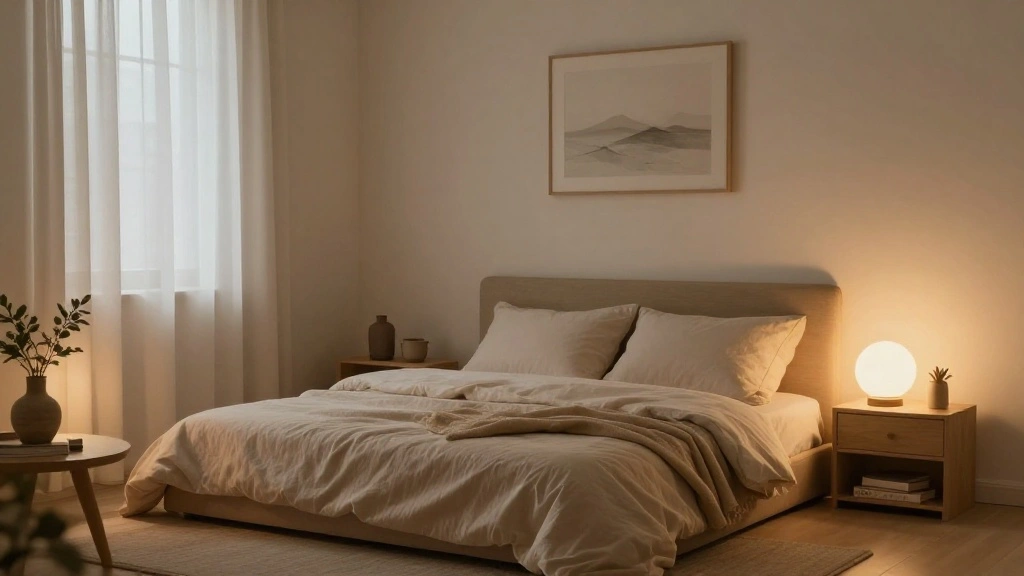
Congratulations! You have successfully created your own calming space in a small home. This tranquil retreat will serve as a sanctuary for relaxation and mindfulness.
Consider establishing a daily routine that incorporates time in your calming space, whether it’s through reading, meditation, or simply unwinding with soft music.
For further enhancements, explore additional resources on interior design or mindfulness practices to continue cultivating your peaceful environment.