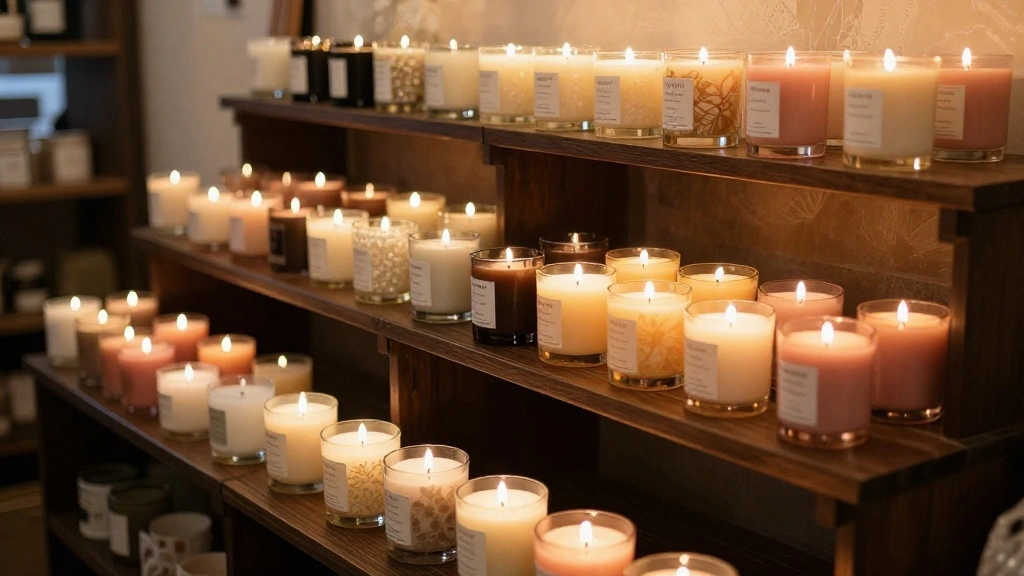
Have you ever found yourself staring at a beautifully crafted candle, wondering if it’s worth the price tag? This is a common dilemma, especially with the vast array of candles available today. Not all candles are created equal, and knowing whether a candle is worth your hard-earned money can save you from buyer’s remorse.
In this guide, you will learn how to evaluate candles based on various factors such as quality, ingredients, scent throw, and burn time. By the end, you’ll be equipped to make informed purchasing decisions that will enhance your home ambiance without overspending.
This guide is designed for beginners and can be completed in approximately 30 minutes. You’ll walk away with practical tips and strategies to assess any candle’s value effectively.
TL;DR Summary
- Evaluate candle quality by checking ingredients and materials.
- Consider the scent throw and burn time for value.
- Compare prices among different brands and stores.
- Trust your instincts—if it feels overpriced, it probably is.
TL;DR Summary
Editor’s Choice

Perfume Tester Strips,200Pcs Disposable White Fragrance Test Strips,Stro…

Hearth & Harbor Organic Soy Candle Wax for Candle Making, 10 lbs Natural…
Prerequisites/Materials Needed
- A few candles from different brands
- A notebook and pen for notes
- Access to a lighter or matches
- A well-ventilated space to test scents
Prerequisites/Materials Needed
Editor’s Choice

Scented Candles Set | Men Candle Set, Scented Candles for Home, Gifts fo…
Skill Level & Time Estimate
Skill Level: beginner
Total time estimate: 30 minutes
Skill Level & Time Estimate
Editor’s Choice

Complete Candle Making Kits for Adults Beginners, DIY Candle Making Supp…
Step 1: Examine the Ingredients
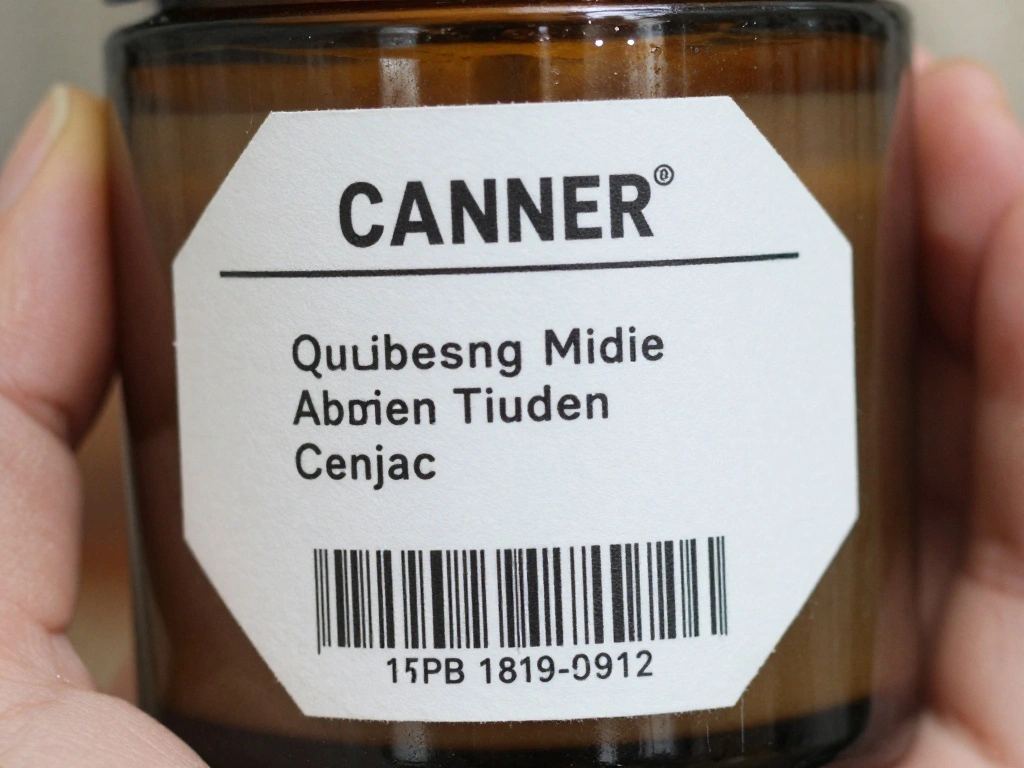
Start by checking the candle’s ingredients. High-quality candles typically use natural waxes such as soy, beeswax, or palm wax. Avoid candles made from paraffin wax, as they can release harmful toxins when burned.
1. Look for labels that mention natural waxes.
2. Check for fragrance oils versus synthetic scents.
3. Read the descriptions for any additives.
Pro Tip: Choose candles with essential oils for a more authentic scent experience. Warning: Avoid candles with vague ingredient lists.
Time estimate for this step: 5 minutes.
Step 2: Assess the Scent Throw
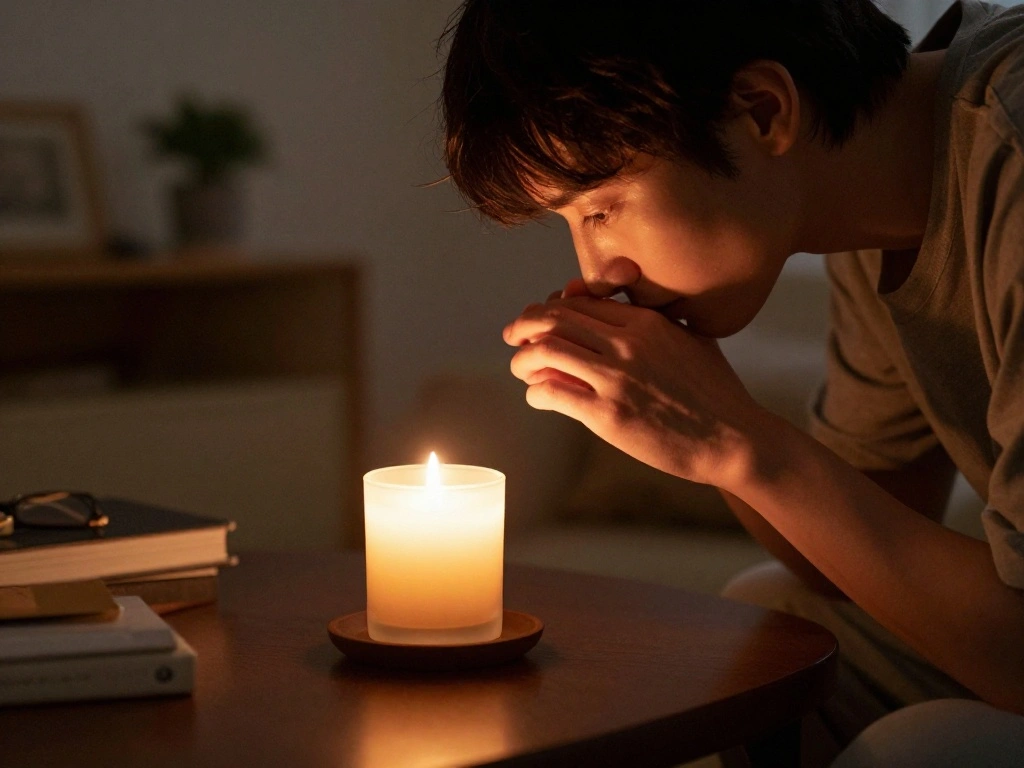
The scent throw refers to how well the fragrance fills a room when the candle is lit. A good candle should have a noticeable scent even when unlit, and it should fill your space once lit.
1. Light the candle in a small, enclosed space.
2. Wait a few minutes and observe the fragrance intensity.
3. Sniff the candle while it’s unlit to gauge its potential scent throw.
Pro Tip: Test candles with varying scents to compare their strength and quality. Warning: Don’t place candles in drafty areas, as this can skew your scent throw assessment.
Time estimate for this step: 10 minutes.
Step 2: Assess the Scent Throw
Editor’s Choice
YOROXRG Scented Candles Gifts Set 12 Pack Soy Wax Travel Tin Jar Candles…
Step 3: Check the Burn Time
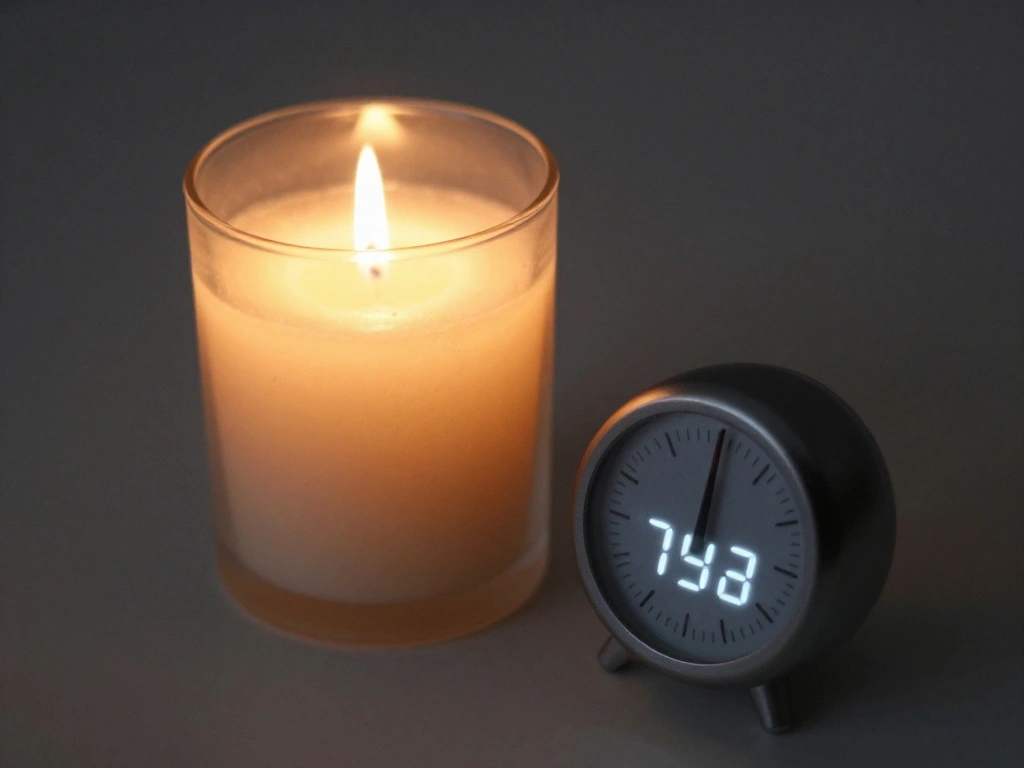
Burn time is a crucial factor in determining a candle’s value. A longer burn time usually indicates a higher quality candle. Check the label for burn time information.
1. Note the estimated burn time printed on the candle.
2. Compare it to similar candles of equal size.
3. Consider how long you intend to use the candle.
Pro Tip: Burn the candle for a few hours to see how well it burns compared to its claim. Warning: Don’t leave candles unattended while burning.
Time estimate for this step: 5 minutes.
Step 3: Check the Burn Time
Editor’s Choice

Light Meter Lux/Foot Candle Tester, Kethvoz 881D Digital Illuminance Met…
Yankee Candle Mid Summer’s Night, Scented Candle, 22oz Large Jar with up…
Step 4: Analyze the Packaging
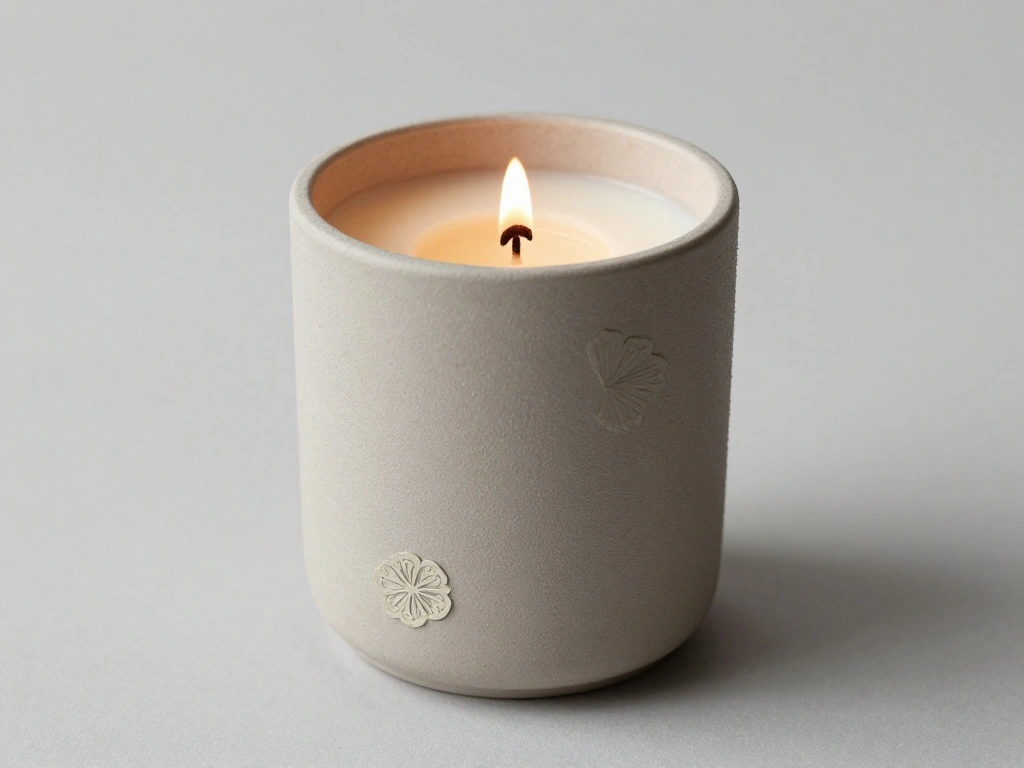
Quality packaging can indicate the overall quality of the candle. Look for well-designed containers that protect the candle and enhance its aesthetic appeal.
1. Inspect the materials used for packaging.
2. Evaluate whether the design is appealing and functional.
3. Check for any eco-friendly certifications.
Pro Tip: Reusable containers can add value to your purchase. Warning: Beware of overly flashy packaging that may be hiding poor quality.
Time estimate for this step: 5 minutes.
Step 4: Analyze the Packaging
Editor’s Choice

SHMILMH Christian Gifts for Women, Glass Candle Holders Set of 4, Pink T…
Step 5: Compare Prices and Brands
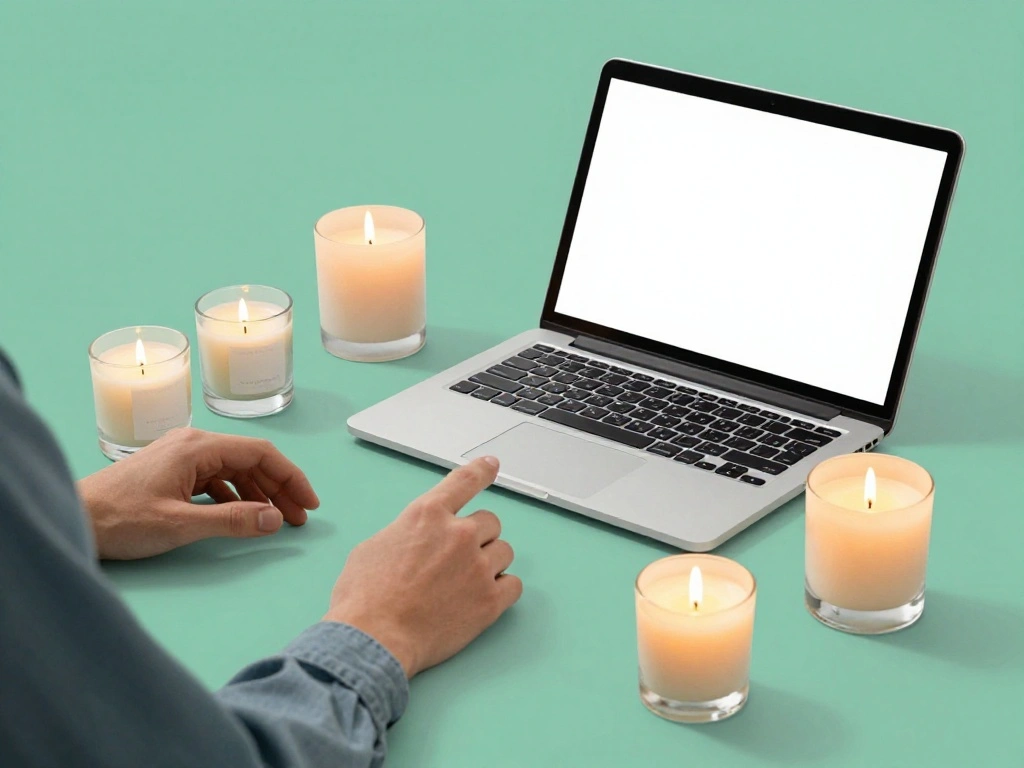
Do your research and compare prices for similar candles across different brands and retailers. Sometimes, a higher price tag may not always mean better quality.
1. Check online and local stores for similar products.
2. Look for sales or discounts that may apply.
3. Read customer reviews for additional insights.
Pro Tip: Consider purchasing in bulk for better deals. Warning: Don’t base your decision solely on price; quality is key.
Time estimate for this step: 5 minutes.
Step 5: Compare Prices and Brands
Editor’s Choice
Hearth & Harbor Organic Soy Candle Wax for Candle Making, 10 lbs Natural…

MAYJAM Tea Tree 20 Pcs Pure Essential Oil Gift Set, for Diffuser, Humidi…
Step 6: Trust Your Instincts
Finally, trust your instincts about whether the candle feels worth the price. If it resonates with you and meets your quality standards, it’s likely a good buy.
1. Reflect on your experience with the candle.
2. Consider how it fits into your lifestyle and decor.
3. Make a decision based on your feelings and the evidence gathered.
Pro Tip: Sometimes, a more expensive candle can bring you joy and satisfaction that cheaper options cannot. Warning: Don’t ignore your gut feeling; it often knows best!
Time estimate for this step: 5 minutes.
Step 6: Trust Your Instincts
Editor’s Choice

Lihome Happy Birthday Candle – Birthday Gifts for Women, Men, Mom, Dad, …

VIONAMI Luxury Scented Candle Gift – Queen of The Night Rare Flower Fr…
Pro Tips
- Brand Reputation: Research brands known for quality candles before making a purchase.
- Seasonal Sales: Take advantage of seasonal sales for premium candles at lower prices.
- Join Loyalty Programs: Many candle brands offer discounts for loyal customers.
- Read Reviews: Use customer reviews to gauge the quality and longevity of candles.
- Know Your Scents: Familiarize yourself with scent families to help you choose candles you’ll love.
Pro Tips
Editor’s Choice

Kirecoo Candle Snuffer Extinguisher with Long Handle, Polished Stainless…

Scented Candles Gift Set, Long Lasting 6 Pack Aromatherapy Candles for H…

calary Candle Wick Trimmer, Candle Snuffer and Wick Dipper & Candle Acce…
Common Mistakes to Avoid
Warning: Avoid these common mistakes when assessing candles:
- Ignoring Ingredients: Not checking the ingredients can lead to poor quality purchases.
- Overlooking Burn Time: Failing to consider burn time may leave you disappointed.
- Rushing the Decision: Making impulse buys without research can lead to regret.
Common Mistakes to Avoid
Editor’s Choice

Smart Scented Candle with Timer,One-Touch Ignition & Extinguish with Rem…

Candle Making Business Logbook 101: 100 Candle Test Sheets for Beginner …
SoftOwl Premium Soy Candle Making Kit – Full Set – Soy Wax, Big 7oz Jars…
Troubleshooting Section
Problem: Candle doesn’t burn evenly.
Solution: Ensure the wick is trimmed to 1/4 inch before lighting.
Problem: Scent is too weak.
Solution: Try lighting the candle in a smaller room or consider a different brand.
Problem: Wax pooling.
Solution: Allow the candle to burn long enough for an even melt pool to form.
Troubleshooting Section
Editor’s Choice

CHEFBEE Candle Wick Trimmer, Black Polished Stainless Steel Wick Clipper…
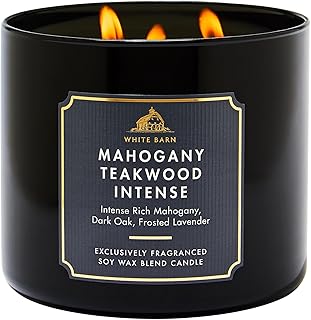
Bath & Body Works Mahogany Teakwood Intense 3-Wick Candle – Scented Cand…
Variations/Alternative Methods
- DIY Candles: Consider making your own candles for a personalized touch and cost-effectiveness.
- Wax Melts: If you prefer not to burn candles, wax melts can provide similar scents without flame.
- Essential Oil Diffusers: Use diffusers for a flame-free scent option that can also be more potent.
Variations/Alternative Methods
Editor’s Choice

SAEUYVB Candle Making Kit with Wax Melter, Candle Making Kit for Adults …

UCC Premium Wax Melts, Fall Variety Fragrance Melts, Scented Soy Wax Mel…
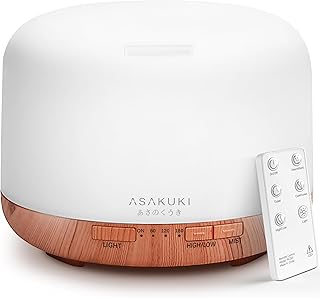
ASAKUKI Essential Oil Diffuser for Home, 500ML Aromatherapy Diffuser Hum…
FAQs
- What if I don’t have a lighter?
- How long should I let a candle burn?
- Is it safe to leave a candle unattended?
- Can I mix different scents?
- How can I make my candle last longer?
FAQs
Editor’s Choice

RONXS 3 in 1 Candle Accessory Set, Candle Wick Trimmer Cutter, Candle Sn…

CasaCulina Candle Making Pouring Pot, 32oz Stainless Steel Wax Melting P…
Conclusion
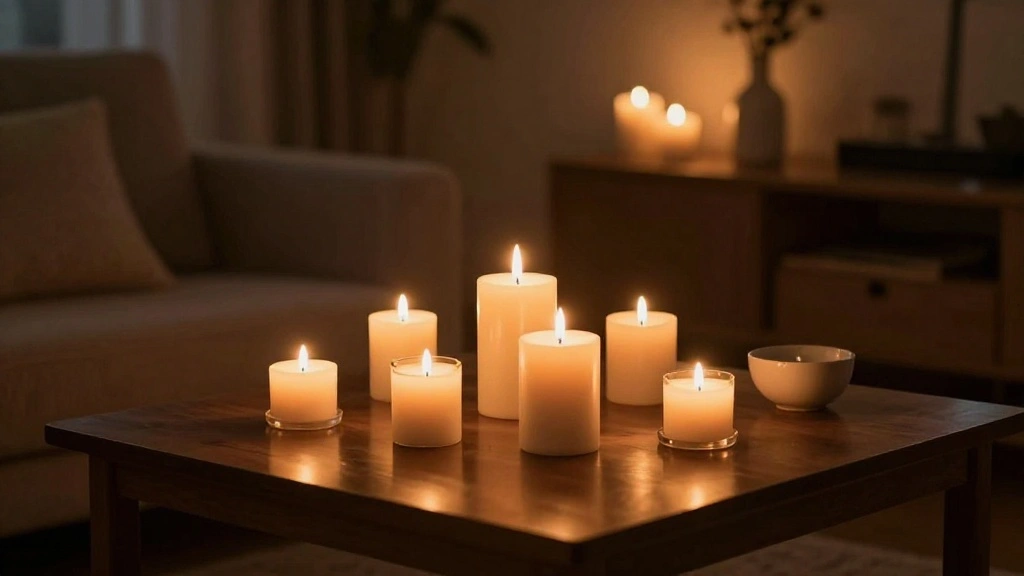
Congratulations! You now have the knowledge to determine if a candle is worth its price. By evaluating ingredients, scent throw, burn time, and more, you can make informed choices that fit your budget and preferences.
As you continue your candle journey, keep exploring different brands and scents. Don’t hesitate to share your findings with friends or try hosting a candle party to discover new favorites together!