You might not realize it, but the candles and air fresheners you use to create a cozy atmosphere in your home could be hiding some serious health risks. I created this post because I want you to be aware of the hidden toxins lurking in these everyday products. Many people love the warm glow of candles or the fresh scent of air fresheners, but it’s essential to know what you’re actually breathing in.
If you’re someone who cares about your home environment and your family’s health, this guide is for you. You deserve to enjoy a fragrant space without compromising your indoor air quality. In this post, I’ll uncover five hidden toxins in conventional candles and air fresheners that could be affecting your health. You’ll learn how to spot toxic candles, identify harmful fragrance ingredients, and find natural candle alternatives that are safe and enjoyable to use.
By the end, you’ll feel empowered to make informed choices about the scents in your home. Say goodbye to toxic fumes and hello to a healthier, eco-friendly lifestyle—it’s time to enjoy safe, beautiful fragrances without worry.
Key Takeaways
– Paraffin Wax: This common candle ingredient releases harmful fumes when burned, which can negatively impact your indoor air quality. Look for alternatives like soy or beeswax.
– Synthetic Fragrances: These can contain allergens and chemicals that may cause respiratory issues. Choose candles with natural scents or essential oils instead.
– Air Freshener Chemicals: Many air fresheners use harsh chemicals that can cause headaches and irritation. Consider using baking soda or natural essential oil sprays for a safer option.
– Candle Wicks: Some wicks contain metals like lead, which can be harmful when burned. Opt for 100% cotton or wood wicks to ensure a cleaner burn.
– Indoor Air Quality Impact: The products you choose can significantly affect your home’s air quality. Understanding the ingredients in scented items will help you create a healthier living space.
1. Paraffin Wax: The Secret Behind Toxic Fumes
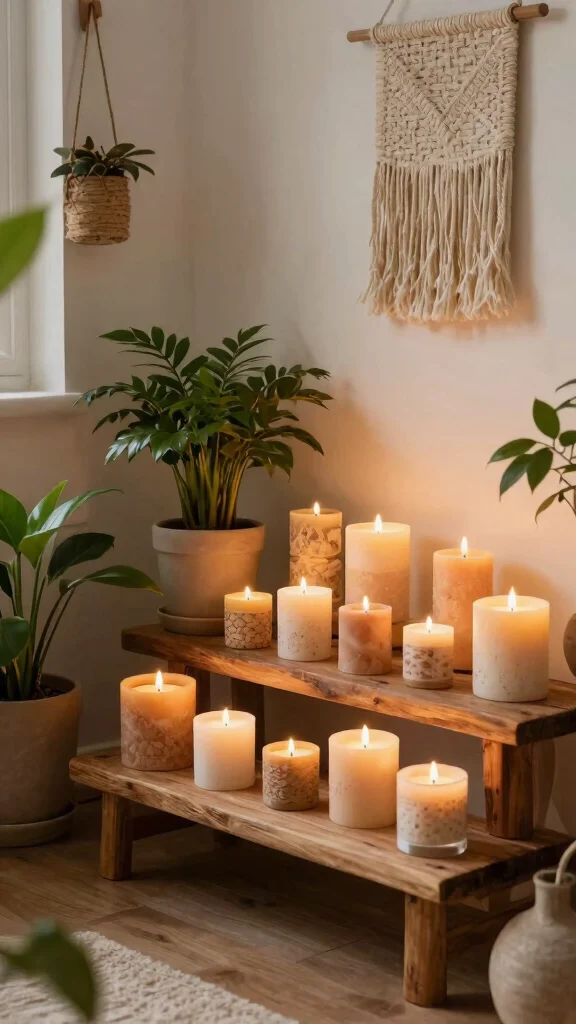
When it comes to conventional candles, paraffin wax is the most common choice, derived from petroleum. This type of wax releases toxic substances such as toluene and benzene when burned, which can harm indoor air quality and lead to respiratory problems over time. By switching to natural options, you not only enhance your home’s ambiance but also promote a healthier environment.
Opting for candles made from natural waxes like soy or beeswax can significantly reduce these harmful emissions. Natural wax candles burn cleaner, producing less soot and lasting longer than their paraffin counterparts. Beeswax candles are especially wonderful, as they emit negative ions that can purify the air while creating a cozy atmosphere.
Consider these tips to improve your candle choices:
– Pair soy candles with essential oils for delightful fragrances.
– Install beeswax candles in strategic spots for air purification.
– Use wooden candle holders to enhance the natural look.
This simple switch elevates your home’s aesthetic while ensuring a safer indoor environment. Incorporating natural materials not only beautifies your space but also enriches your well-being.
Paraffin candles release toxic fumes like toluene and benzene, quietly tainting your air. Switch to natural waxes—soy or beeswax—and you’ll drastically cut candle toxins while enjoying a cleaner, healthier home fragrance.
Paraffin Wax: The Secret Behind Toxic Fumes
Editor’s Choice

Organic Coconut Vanilla Candles – Non Toxic Soy Candles for Home, Stress…

ASAKUKI Essential Oil Diffuser for Home, 500ML Aromatherapy Diffuser Hum…

Natural Beeswax Candles 4 Packs, Beeswax Pillar Candles with 140 Hours B…
2. Synthetic Fragrances: Hidden Allergens
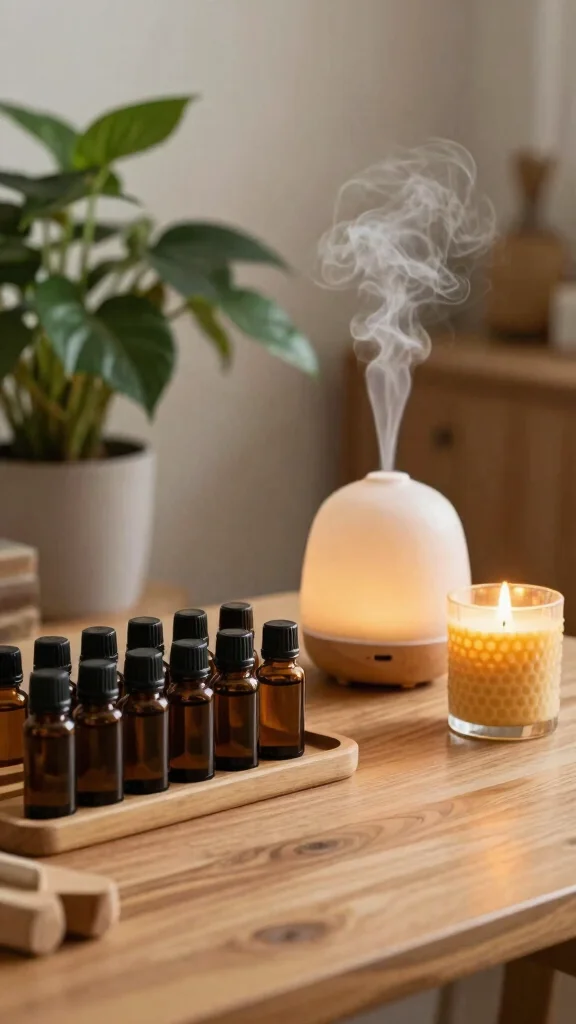
Many air fresheners and scented candles are packed with synthetic fragrances, which can contain a mix of hidden chemicals. These artificial scents are known to trigger allergies, headaches, and respiratory issues, often disrupting your comfort at home. By choosing natural options, you can enjoy beautiful scents without the harmful side effects.
Transitioning to natural candles or essential oils is a fantastic solution. Essential oils not only offer delightful aromas but also provide therapeutic benefits. For instance, lavender is perfect for relaxation, while eucalyptus can help clear your airways, enhancing both mood and health.
Try these fragrant home tips:
– Use essential oils in a diffuser for fresh scents.
– Make your own candles with beeswax and essential oils.
– Choose products labeled ‘natural fragrance’ for safer options.
This shift not only enhances your home’s atmosphere but also supports your health. Incorporating natural scents will create a soothing environment that promotes relaxation.
📹 Related Video: Toxins In Fragrances And Artificial Scents
How To Choose Natural Candle Alternatives
Choosing the right natural candle alternatives can significantly improve your indoor air quality while keeping your home smelling wonderful. Here are some essential criteria to help you make the best selection:
1. Look for Natural Wax
When selecting a candle, prioritize those made from natural waxes like soy, beeswax, or coconut. These materials burn cleaner than conventional paraffin wax, which releases toxins into the air. Natural waxes also tend to have a longer burn time, giving you more value for your money.
2. Check for Essential Oil Fragrances
Many candles use synthetic fragrances that can cause allergic reactions or respiratory issues. Opt for candles scented with essential oils instead. These natural fragrances provide not only pleasant scents but also potential therapeutic benefits, enhancing your relaxation and mood.
3. Inspect the Wick
Wicks can also be a source of toxins if they contain metal components. Choose candles with cotton or wooden wicks, as they are less likely to emit harmful substances. A good wick will ensure an even burn and also contribute to the overall air quality in your home.
4. Consider the Size and Burn Time
Think about how long you want the candle to last. Larger candles typically provide longer burn times, making them ideal for extended use. If you’re looking for a quick ambiance boost, smaller candles are perfect for short gatherings. Always check the estimated burn time before purchasing.
5. Evaluate Sustainability Practices
Choose brands that prioritize sustainability in their production and packaging. Look for certifications such as organic or eco-friendly labels. Supporting companies that practice ethical sourcing helps reduce environmental impact while ensuring you get a product that’s safer for your home.
6. Read Reviews and Ingredients
Before making a final decision, check customer reviews and ingredient lists. This research can reveal hidden ingredients that might not be visible on the label. Look for testimonials regarding air quality improvements or health benefits to guide your choice.
Pro Tip: Always burn your candles in well-ventilated areas to further enhance indoor air quality and reduce the chances of inhaling any residual toxins from the burning process. Make sure to keep an eye on the wick length and trim it to about 1/4 inch before lighting for a cleaner burn.
Synthetic Fragrances: Hidden Allergens
Editor’s Choice
ASAKUKI Essential Oil Diffuser for Home, 500ML Aromatherapy Diffuser Hum…

Fun Gifts for Women – Pure Natural Beeswax Candles, Personalized Gifts f…
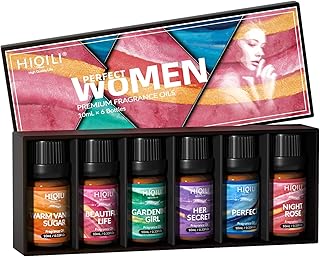
HIQILI Women Fragrance Oil 6x10ml, Essential Oils for Candle Scents Soap…
3. Air Freshener Chemicals: The Hidden Dangers
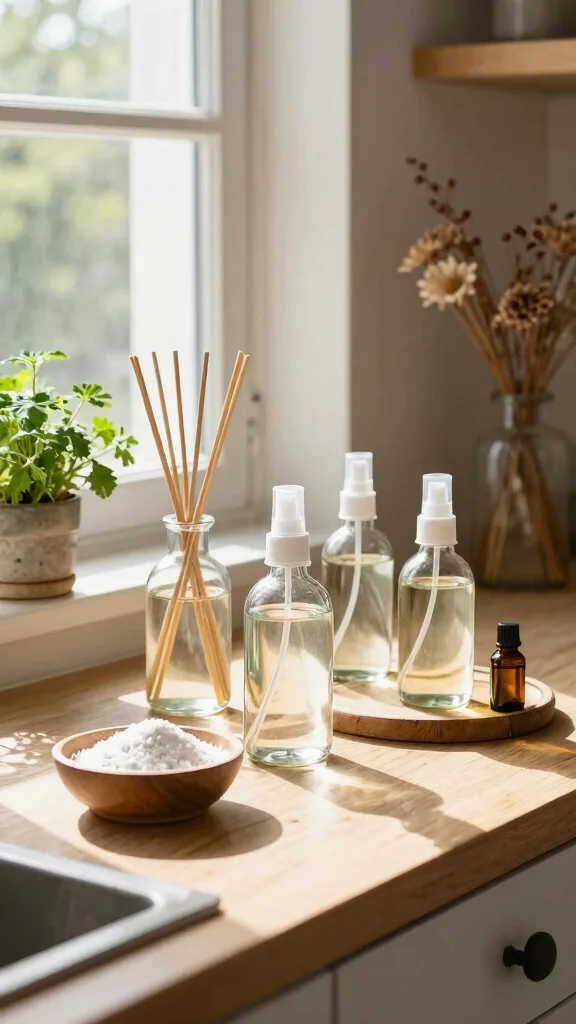
Conventional air fresheners often contain harmful chemicals like formaldehyde and phthalates, lingering in the air long after use. These substances can disrupt indoor air quality and pose health risks. Instead of masking odors, it’s better to eliminate them with safer alternatives, creating a more pleasant living space.
Consider using natural solutions such as baking soda for odor absorption or creating your own potpourri. Regularly airing out your home can also help maintain freshness while reducing reliance on toxic products.
Here are some alternatives to try:
– Make homemade air fresheners with water and essential oils.
– Place bowls of baking soda around your home to absorb smells.
– Use natural potpourri made from dried flowers and herbs.
This approach not only enhances air quality but also adds a charming touch to your decor. Using natural remedies contributes to a healthier home environment and a more enjoyable living experience.
Air Freshener Chemicals: The Hidden Dangers
Editor’s Choice

Sukh Dried Herbs Kit – Dried Botanicals Bulk,14 Bags Natural Dry Flowers…

Cocorrína Reed Diffuser Set, Clean Linen 6.7 fl oz Scented Diffuser wit…

Natural Flower Power Air Freshener Spray – Odor Eliminator with Essentia…
4. Candle Wicks: The Overlooked Culprit
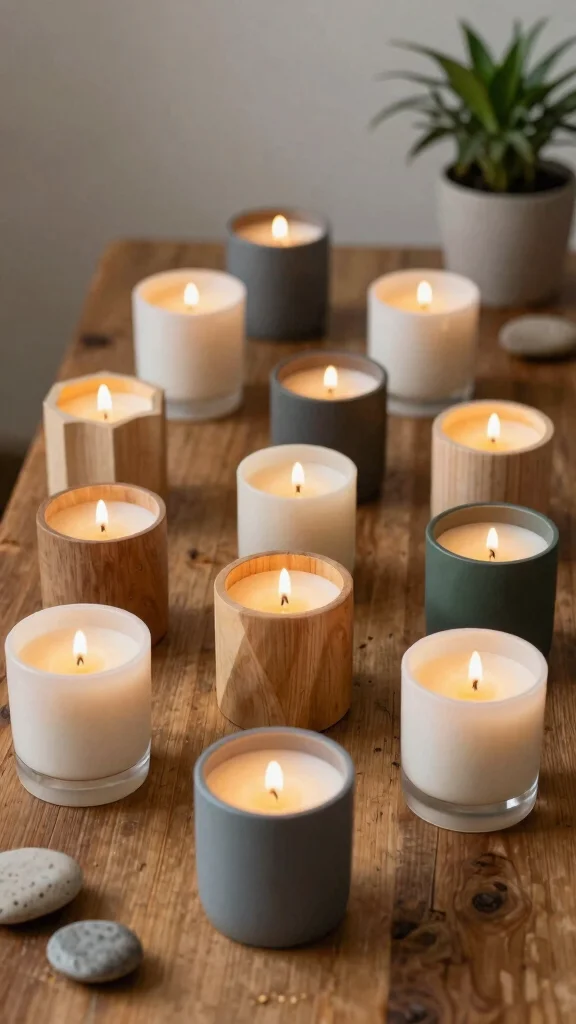
Not all candle wicks are created equal, and many conventional candles use metal wicks that can release harmful fumes when burned. These materials can increase indoor air pollution, affecting your health. By choosing candles with cotton or wooden wicks, you can enjoy a cleaner burn and a more appealing aesthetic.
Wooden wicks are particularly trendy, providing a beautiful flame and a delightful crackling sound, reminiscent of a cozy fireplace. They add a rustic charm to any space while promoting a healthier atmosphere.
Keep these tips in mind when shopping for candles:
– Check the label for cotton or wooden wick information.
– Avoid candles that don’t specify wick materials.
– Support local artisans who prioritize sustainable crafting.
This mindful choice enhances your home’s beauty while ensuring cleaner air. Using natural materials in your candles promotes both style and well-being.
Did you know metal wicks can release candle toxins and fumes—up to 20% more indoor air pollutants? Switch to cotton or wooden wicks for a cleaner burn, plus the cozy crackle and rustic charm you crave.
Candle Wicks: The Overlooked Culprit
Editor’s Choice

3 Pack Non-Toxic Soy Wax Scented Candles Gift Set for Women, 21.15oz Woo…

Scented Candles Gift Set for Women, 4 Pack Soy Wax Candles in Classic Bo…
Scented Candles Gift Set for Women, 4 Pack Soy Wax Candles in Classic Bo…
5. The Importance of Scented Products in Indoor Air Quality
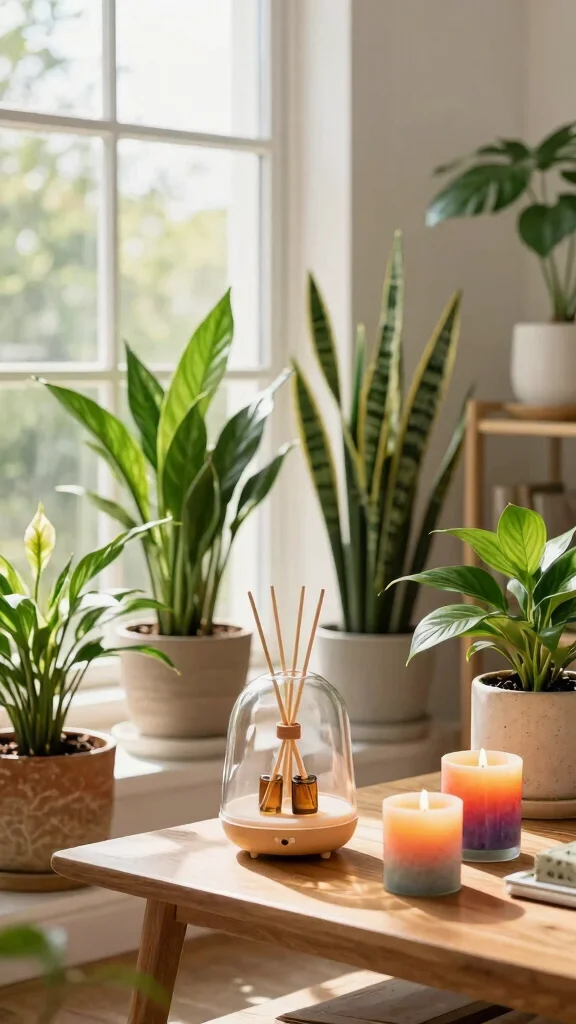
The scents we choose play a significant role in our indoor air quality. Opting for products free of harmful chemicals can greatly improve your living environment and overall well-being. Natural fragrances create a calming atmosphere without compromising your health.
Enhancing your space with air-purifying plants alongside natural fragrance sources can filter toxins and add beauty to your home. This combination not only elevates aesthetics but also contributes to your health and comfort.
Key takeaways for improving indoor air quality:
– Utilize air-purifying plants for natural air cleaning.
– Embrace natural fragrances from essential oils and candles.
– Regularly ventilate your home for fresh air circulation.
This holistic approach enhances your home’s atmosphere while promoting a healthier lifestyle. Incorporating these elements will create a refreshing and inviting space.
Mindful scents matter. Choose natural fragrances and air-purifying plants to improve indoor air quality and reduce candle toxins, turning your home into a calmer, healthier haven.
The Importance of Scented Products in Indoor Ai…
Editor’s Choice
Candles Gifts for Women – Scented Candles, Natural Soy Wax Candles for H…

Live Herb Air Purifier Combo in Deco Cover – Aromatic and Health Enhance…
Cocorrína Reed Diffuser Set, Clean Linen 6.7 fl oz Scented Diffuser wit…
Conclusion
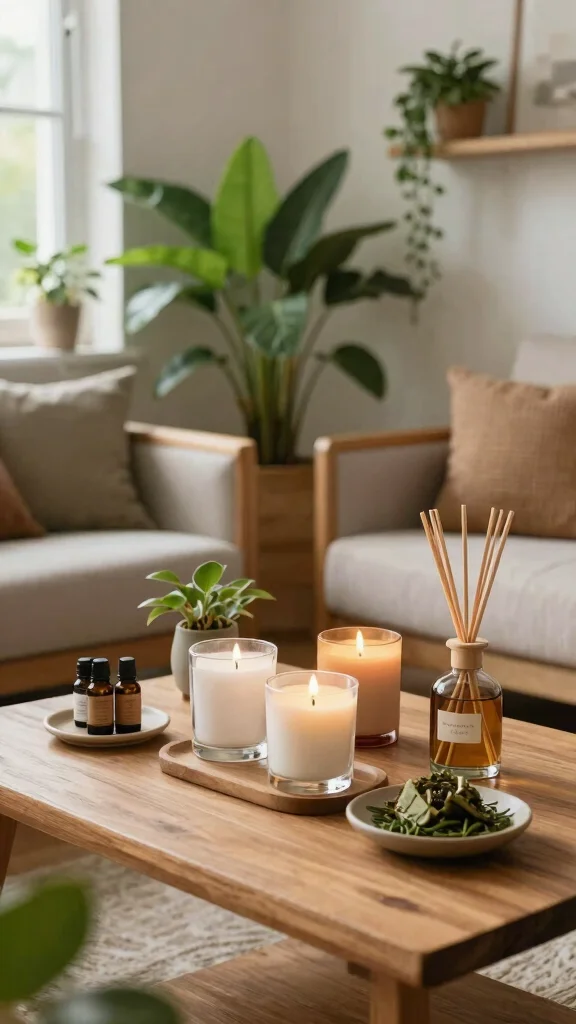
Choosing eco-friendly alternatives to conventional candles and air fresheners is a critical step in creating a healthier home environment. By being mindful of the hidden toxins in these products, you can make informed decisions that benefit both your health and the planet.
Consider embracing natural alternatives that uplift your space without the harmful side effects, and enjoy the added peace of mind that comes with it.
Note: We aim to provide accurate product links, but some may occasionally expire or become unavailable. If this happens, please search directly on Amazon for the product or a suitable alternative.
This post contains Amazon affiliate links, meaning we may earn a small commission if you purchase through our links, at no extra cost to you.
Frequently Asked Questions
What are the most common candle toxins to watch out for in conventional candles?
Candle toxins to watch for include paraffin wax, which can release VOCs and soot when burned. Fragrance ingredients often hide harmful fragrance ingredients that can affect indoor air quality, such as phthalates. Some candles also use metal-core wicks that can shed metals into the air. To reduce exposure, choose natural candle alternatives like 100% soy, beeswax, or coconut wax with cotton wicks, and look for labels that say phthalate-free or essential oil-based scents. Burn in a well-ventilated space and trim wicks to about 1/4 inch to minimize soot.
How can I identify toxic candles and air freshener chemicals on product labels?
Start with the wax and fragrance: paraffin is a red flag, so look for candles made from natural candle alternatives like soy, beeswax, or coconut wax. Avoid vague terms like “fragrance” or “parfum” without an ingredient list, since they can hide harmful fragrance ingredients like phthalates. For air fresheners, favor products labeled phthalate-free, VOC-free, or essential oil-based. Choose brands with clear ingredient transparency to protect indoor air quality.
What are natural candle alternatives that still smell great?
Opt for natural candle alternatives such as beeswax, soy, or coconut wax candles with cotton or wooden wicks. These tend to burn cleaner and release fewer toxins. For scent, consider adding pure essential oils in small amounts or choose unscented candles and use a separate essential-oil diffuser. When shopping, look for paraffin-free and phthalate-free fragrances to keep indoor air quality high.
What practical steps can I take to improve indoor air quality when fragrance is part of my decor?
Start by ensuring good ventilation—open a window or use a vent when burning candles. Burn candles for shorter periods (1–2 hours at a time) and keep wicks trimmed to about 1/4 inch to minimize soot. Choose candles with clean-burning natural candle alternatives and pair them with a quality air purifier if possible. For a lower-tox fragrance routine, prefer diffusers or room fragrances labeled essential oil-based and phthalate-free, and maintain regular cleaning to reduce settled dust and residues that can aggravate indoor air quality concerns.
What warning signs indicate a candle or air freshener is releasing harmful ingredients?
If you notice persistent headaches, dizziness, throat or eye irritation, coughing, or a strong chemical smell lingering in the room, that can signal harmful fragrance ingredients are being released. Excessive or dark soot on the candle or an unusually flickering flame can indicate a poor burn or low-quality wax. If you experience symptoms, stop using the product, ventilate the space, and switch to natural candle alternatives or products with transparent, phthalate-free fragrances to protect your indoor air quality.
Related Topics
candle toxins
toxic candles
air freshener chemicals
indoor air quality
natural candle alternatives
eco-friendly fragrances
sustainable home
fragrance safety
DIY candles
harmful ingredients
home wellness
environmentally conscious