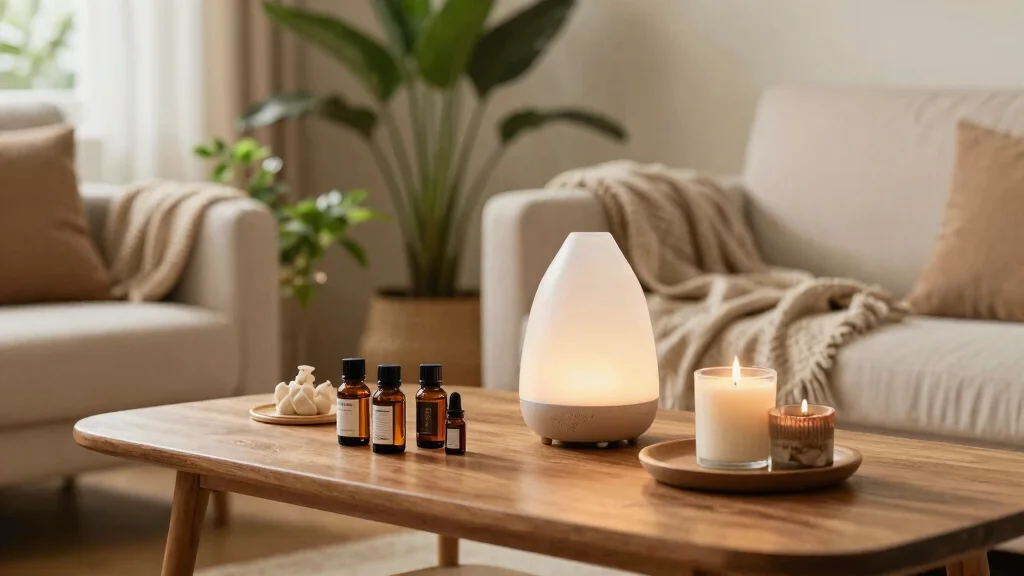
As the allure of essential oils sweeps through homes everywhere, many of us find ourselves enchanted by the prospect of transforming our spaces into fragrant sanctuaries. This post is here to help you navigate the often-puzzling world of essential oils, especially if you’re just starting out. With a myriad of options and a wealth of information available, it’s easy to make mistakes that could hinder your aromatherapy journey. I created this guide to ensure that you can enjoy all the benefits of essential oils while avoiding the common pitfalls that beginners often encounter.
If you’re passionate about home decor and love the idea of infusing your living space with delightful scents, you’re in the right place. This blog post is tailored for those who want to enhance their home fragrance decor with essential oils but might feel overwhelmed by the details. You’ll learn about the frequent mistakes people make when using essential oils, and I’ll provide you with practical tips to steer clear of these errors. Whether you’re looking for safe aromatherapy tips or DIY essential oil blends, this guide will offer you the insights you need to elevate your home ambiance.
By the end of this post, you’ll be armed with knowledge that not only enhances your experience but also ensures that your home stays fragrant and inviting. You’ll discover how to achieve the perfect dilution ratios, prioritize essential oil safety, and even explore ways to customize your blends for a personal touch. Let’s dive into the six common essential oil mistakes beginners make and how you can avoid them while creating a cozy, aromatic home.
Key Takeaways
– Incorrect Dilution Ratios: Always dilute essential oils properly to avoid skin irritation or overwhelming scents that can disrupt your home’s atmosphere.
– Ignoring Essential Oil Safety: Familiarize yourself with essential oil safety guidelines, particularly around pets and children, to ensure a safe environment.
– Overusing Fragrances: Less is often more; overusing essential oils can lead to headaches or olfactory fatigue, diminishing your enjoyment.
– Skipping Cleaning of Diffusers: Regularly clean your diffusers to prevent residue buildup and ensure a fresh, clean scent each time you use them.
– Neglecting to Research Oil Quality: Invest in high-quality essential oils to ensure you’re using the most effective and safe products available.
Mistake #1: Incorrect Dilution Ratios
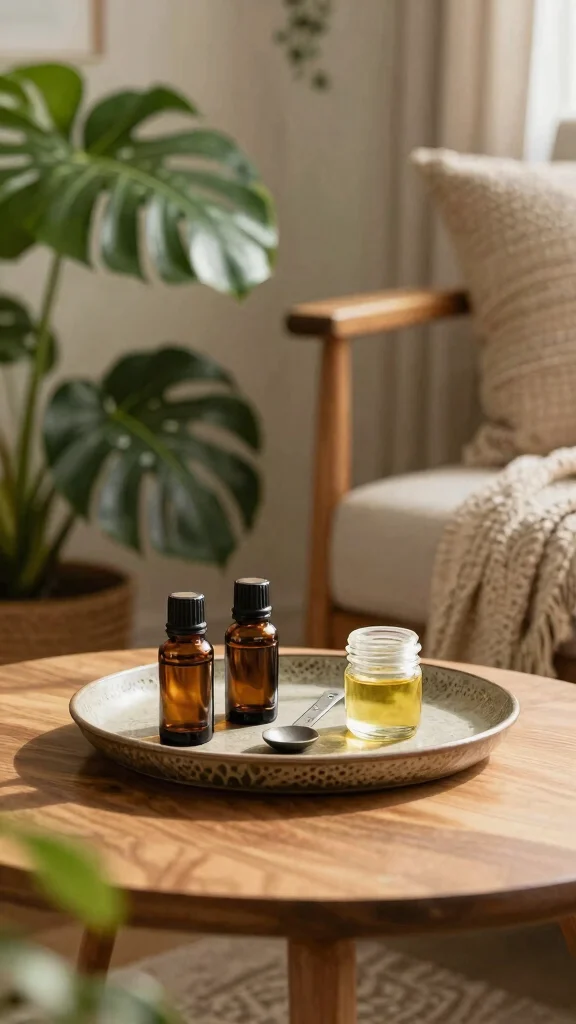
One of the most common pitfalls for beginners is improper dilution of essential oils. These oils pack a powerful punch and should never be applied directly to the skin without being diluted first. Not following dilution guidelines can lead to skin irritations or allergic reactions, which can dampen your aromatherapy experience. A good rule of thumb is to mix about 2-3 drops of essential oil per tablespoon of carrier oil.
When using essential oils in diffusers, it’s essential to adhere to the manufacturer’s recommendations, typically suggesting 5-10 drops based on the size of your diffuser. Also, remember that some oils are more potent, such as peppermint, compared to gentler ones like lavender.
To safely elevate your home’s fragrance, consider blending oils that work well together. Here are some delightful combinations to try:
– Pair lavender and chamomile for a calming atmosphere
– Combine lemon and eucalyptus for a refreshing vibe
– Use tea tree and mint for a purifying effect
By practicing proper dilution, you create a safe and pleasant environment in your home. Exploring different carrier oils like jojoba or coconut can also enrich your blends, ensuring a delightful aromatherapy experience.
📹 Related Video: How To Dilute Essential Oils Guide + How and Where To Apply
Mistake #1: Incorrect Dilution Ratios
Editor’s Choice

Essential Oils Diffuser,Aromatherapy Diffuser,Birthday for Women Mom Gra…


Aromatherapy Oils Roller Set, Natural Pre-diluted Essential Oils Roll On…

Handcraft Blends Fractionated Coconut Oil – 16 Fl Oz – 100% Pure and Nat…
Mistake #2: Ignoring Essential Oil Safety
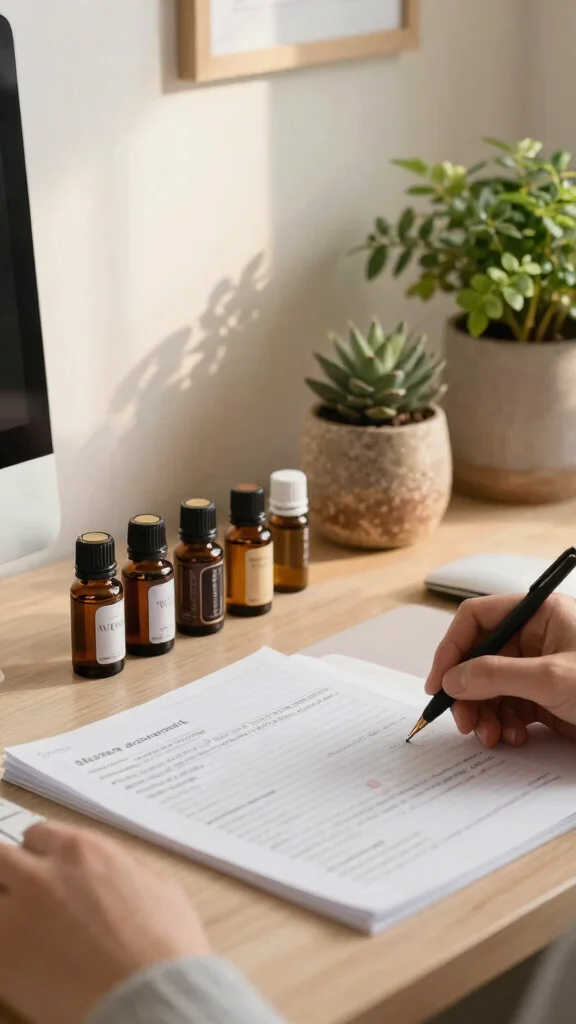
Prioritizing essential oil safety is crucial! Many newcomers neglect important safety guidelines, which can lead to harmful situations, particularly for children, pets, or pregnant individuals. Certain oils may not be safe under specific conditions, and irresponsible use can result in serious consequences.
For example, peppermint oil may invigorate adults but can cause respiratory issues in young children. Citrus oils can increase sensitivity to sunlight, while cinnamon oil might irritate the skin.
Here are some essential tips for safe aromatherapy:
– Research each oil’s safety profile, especially around kids or pets
– Always conduct a patch test before applying oils to your skin
– Consult a healthcare professional if pregnant or nursing to learn about safe oils
Creating a safe aromatic environment involves careful selection and correct usage of scents. Clearly label your DIY oil blends and keep them out of reach of children and pets, ensuring a fragrant and safe space.
Mistake #2: Ignoring Essential Oil Safety
Editor’s Choice

UpNature Peppermint Oil Roll On – 100% Natural Nausea & Morning Sickne…

Plant Therapy Top 6 USDA Organic Essential Oil Set – Lavender, Peppermin…

HJTHJT Essential Oil Diffuser: 500ML Aromatherapy Diffuser with Remote C…
Mistake #3: Overusing Fragrances
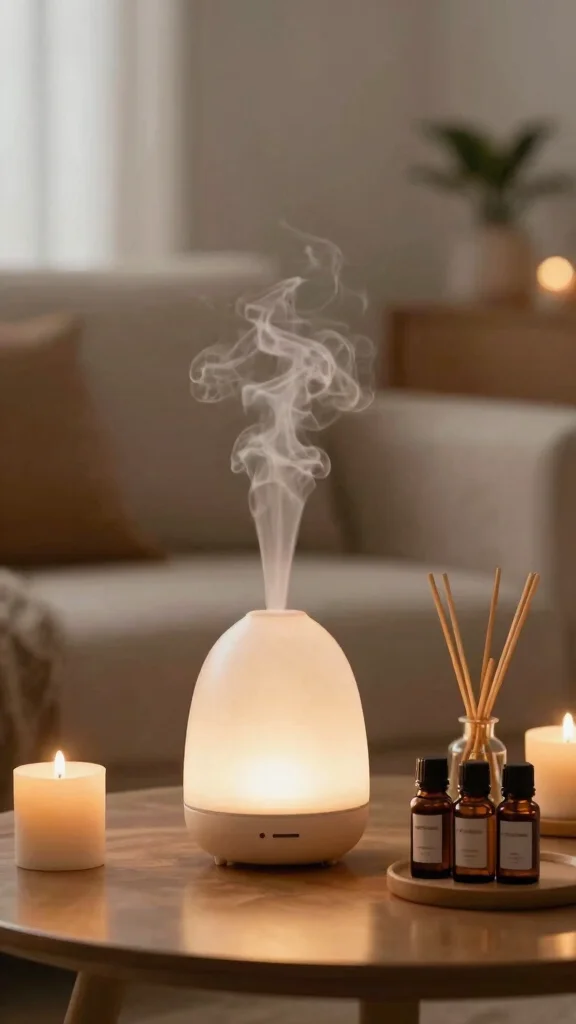
It’s easy to go overboard with essential oils, but less is often more! Many beginners mistakenly fill their diffusers or blends with too many scents, overwhelming the senses and creating a confusing aroma. Instead of a refreshing atmosphere, you might end up with a muddled scent that can lead to headaches.
A helpful guideline for crafting DIY essential oil blends is to limit yourself to two or three complementary oils. A well-balanced blend typically features one dominant scent, supported by a couple of others to enhance its overall fragrance. Here are some classic combinations to consider:
– Blend lavender, bergamot, and ylang-ylang for calming effects
– Mix sweet orange, cinnamon, and clove for a cozy feel
– Combine rosemary, mint, and pine for a refreshing ambiance
To achieve the ideal balance, start with fewer drops and add more gradually until you reach your desired strength. This way, you can enjoy delightful fragrances without overwhelming your senses.
Avoid the essential oil mistakes many of us make—less is more. Stick to two or three complementary oils, with one dominant scent, and your space will feel calm rather than chaotic. Your nose—and your guests—will thank you.
How To Choose Essential Oils for Home Fragrance
Choosing the right essential oils for your home fragrance can feel overwhelming, especially for beginners. With so many options available, it’s crucial to understand what to look for. Here are some key criteria to help you select the perfect essential oils for your space:
1. Scent Profile
Start by identifying what scents you enjoy. Essential oils come in various fragrance categories, such as citrus, floral, herbal, and spicy. Consider how these scents can complement your home decor. For a refreshing ambiance, citrus oils like lemon or orange are great choices. If you want something calming, opt for lavender or chamomile. Remember, the right scent can transform the mood of your space!
2. Purity and Quality
Not all essential oils are created equal. Look for oils that are labeled as 100% pure and therapeutic grade. Avoid synthetic fragrances or blends that contain additives. Check for third-party testing on the label, which ensures the oil’s quality. High-quality oils tend to have a stronger aroma and provide better therapeutic benefits. Researching brands and reading customer reviews can help you make informed choices.
3. Dilution Ratios
Understanding proper dilution is key when using essential oils. For most home fragrance uses, a dilution ratio of 3-5% is recommended. This means mixing 15-30 drops of essential oil with one ounce of carrier oil or water, depending on the diffusion method. If you’re using an oil in a diffuser, always follow the manufacturer’s instructions for the best results. Incorrect dilution can lead to overpowering scents or skin irritation.
4. Compatibility with Other Oils
If you’re planning to create DIY essential oil blends, consider how different oils work together. Some oils mix well, enhancing each other’s aromas, while others can clash. For instance, lavender pairs nicely with eucalyptus, while mint might overpower a more subtle scent. Experiment with small amounts until you find a blend that resonates with you. Keep a journal of your blends to track what works best.
5. Intended Use
Think about how you intend to use the oils. Are you looking for relaxation, energy, or home fragrance? Different oils serve different purposes. For example, uplifting scents like peppermint or citrus can energize your space, while calming oils like frankincense or sandalwood create serenity. This consideration will guide your selection process.
6. Safety Considerations
Always prioritize safety when using essential oils. Some oils can cause allergic reactions or irritations, especially around pets or children. Research essential oil safety before using them in your home. For instance, oils like tea tree and eucalyptus can be toxic to cats. Always perform a patch test on your skin before widespread use. Make sure you educate yourself on safe usage to avoid potential pitfalls.
Pro Tip: Start with a few versatile oils, like lavender, lemon, and eucalyptus. These can be used alone or mixed to create a variety of scents for different occasions. As you become more comfortable, you can explore more unique blends and oils. This way, you build your collection gradually without feeling overwhelmed. Happy scenting!
Mistake #3: Overusing Fragrances
Editor’s Choice

Blending Essential Oils: A Guide to Crafting Beautiful Scents
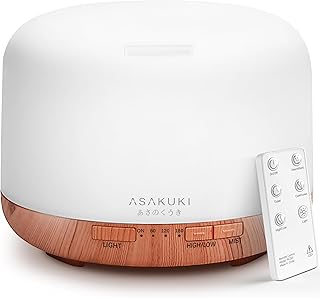
ASAKUKI Essential Oil Diffuser for Home, 500ML Aromatherapy Diffuser Hum…

Lagunamoon Essential Oils Aromatherapy Set – 6 Oils for Diffusers, Home …
Mistake #4: Skipping Cleaning of Diffusers
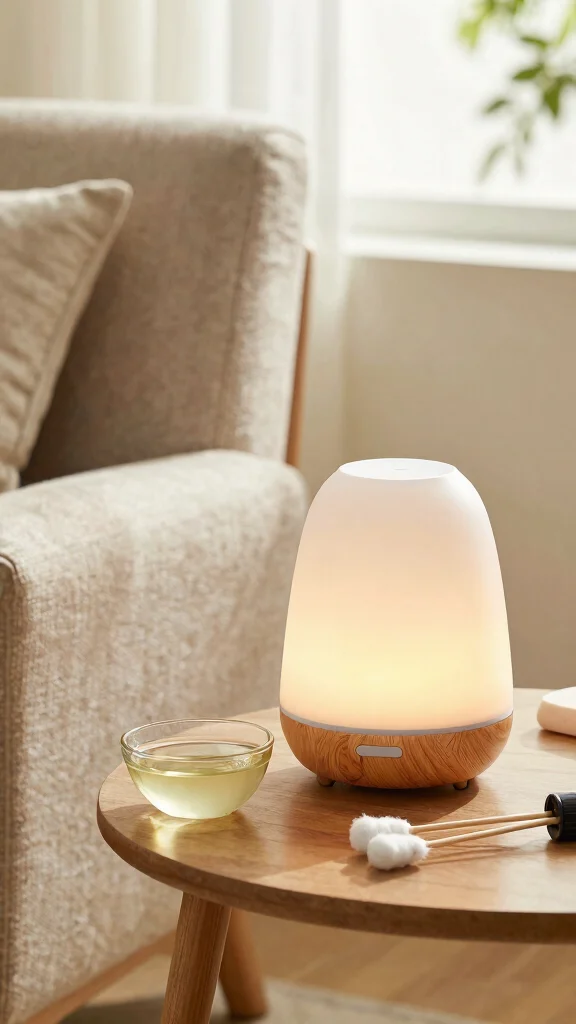
Regular maintenance of your diffuser is vital! One common oversight is failing to clean your diffuser consistently. Residue from essential oils can alter the scent and effectiveness of your oils. Over time, this buildup can lead to less efficient diffusion and even mold growth.
Cleaning your diffuser weekly is a smart practice. Simply empty it, rinse it with warm water, and use a soft cloth or cotton swab to remove any remaining oil. For deeper cleaning, a mixture of vinegar and water can effectively dissolve stubborn residues, followed by a thorough rinse.
Avoid mixing different oils without cleaning the unit first to preserve the integrity of each scent. By keeping your diffuser clean, you enhance the quality of your aromas and extend the lifespan of your device. Establish a cleaning schedule to keep your aromatic sanctuary fresh and inviting.
Mistake #4: Skipping Cleaning of Diffusers
Editor’s Choice

ARVIDSSON Clean Essential Oils Set, Natural Fragrance Oil for Diffuser, …

VALENGO New Lint Free Rags – 100% Cotton Cloth, Soft T-Shirt Rags, Lin…

200 PCS Long Wooden Cotton Swabs, Cleaning Cotton Sticks with Wood Handl…
Mistake #5: Neglecting to Research Oil Quality
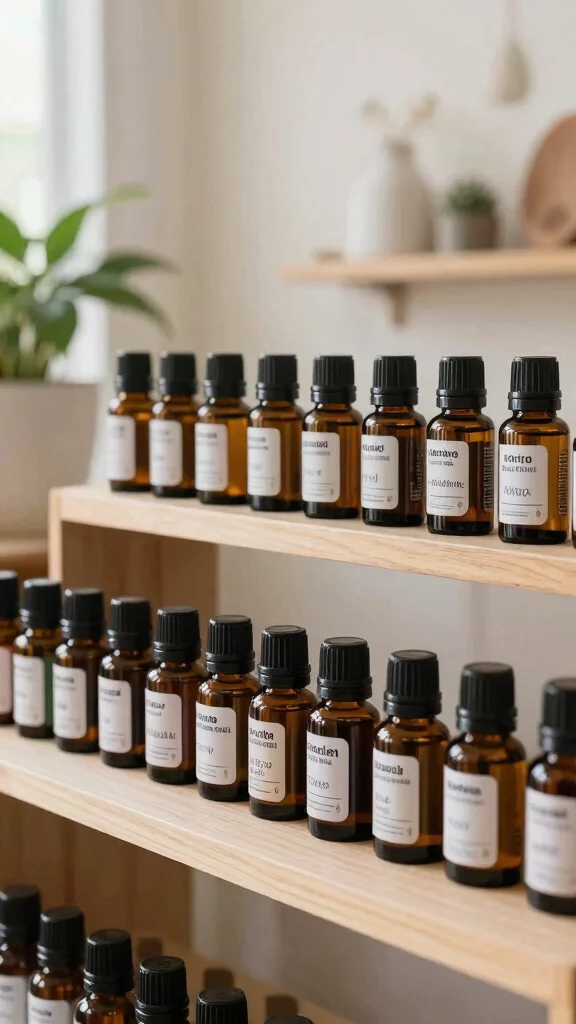
Not all essential oils are of the same quality! Beginners often make the mistake of using low-grade oils, which can diminish the effectiveness of their aromatherapy experience. Inferior oils may contain fillers or synthetic fragrances that not only dilute potency but can also be harmful.
To ensure you’re using high-quality oils, always check for the following:
– Look for brands that are transparent about sourcing and extraction
– Choose oils labeled as 100% pure and organic whenever possible
– Seek recommendations or read reviews from trusted sources in the aromatherapy community
Investing in quality essential oils not only enhances your home fragrance decor but also supports your well-being. High-quality oils offer genuine aromatic experiences that allow you to truly benefit from their therapeutic properties.
Fun fact: Up to 70% of essential oils sold online aren’t 100% pure. Many contain fillers or synthetic fragrances that dilute potency. Always choose brands that clearly disclose sourcing and pass quality tests.
Mistake #5: Neglecting to Research Oil Quality
Editor’s Choice

Majestic Pure Essential Oil with Glass Dropper – Essential Oils for Diff…

Oil Analysis Kit Including TBN Test by TriboTech Solutions, Return Shipp…
Mistake #6: Failing to Customize Your Blends
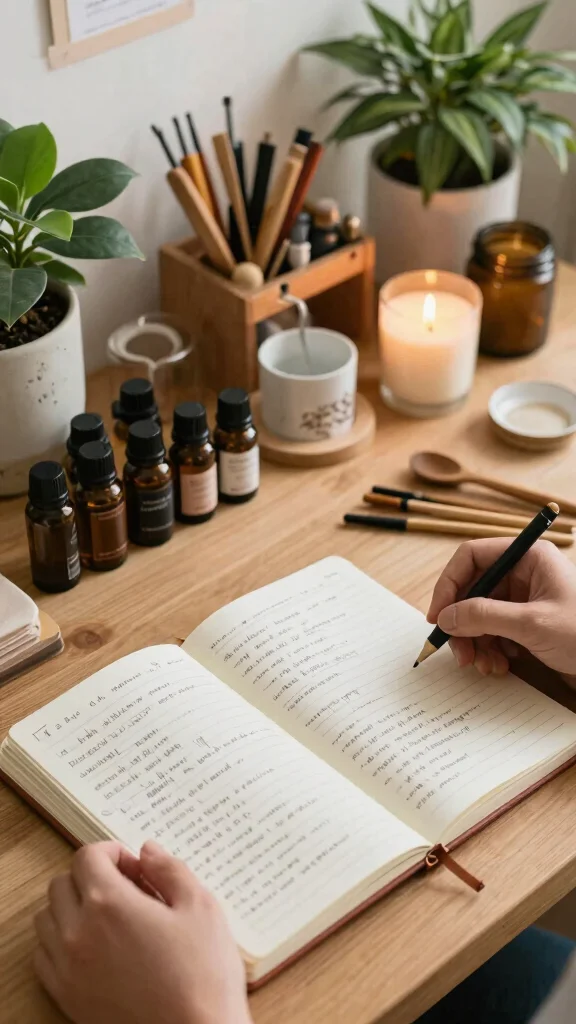
Finally, many beginners stick to basic recipes and miss the joy of crafting unique blends! Customizing your essential oil mixes allows you to tailor the fragrance to your preferences and the mood you want to create in your space. Don’t hesitate to play around with different combinations to discover your signature scent.
Here are some tips for creating unique blends:
– Start with a base note, like cedarwood, for depth, then add a middle note, such as lavender, for balance, and finish with a bright top note like citrus
– Keep a journal of your blends and their effects to refine your skills over time
– Enjoy the process! Even if a blend doesn’t turn out as expected, it can lead to creative discoveries
As you delve into blending, your home fragrance decor will reflect your personal style. Whether you prefer zesty, floral, earthy, or spicy aromas, the creative possibilities are endless when you embrace your individuality.
Don’t settle for boring, one-note rooms—your space deserves a signature blend. When you experiment with base, middle, and top notes, you turn essential oil mistakes into a mood you love and a scent that truly feels like you.
Mistake #6: Failing to Customize Your Blends
Editor’s Choice

TORIBIO Essential Oil Storage Box for 40 Bottles, Wooden Essential Oils …

Lined Spiral Journal Notebook for Women, A5 Cute Hardcover Spiral Journa…

Essential Oils Roll On Set (Pack of 8) 8 Scent, Relaxing, Self Care Gift…
Conclusion
Avoiding these common essential oil mistakes can pave the way for a rewarding aromatherapy journey. As you refine your skills and knowledge, you’ll create a fragrant haven that enhances your home’s ambiance while promoting wellness. Remember to prioritize safety, quality, and personal creativity in your aromatic endeavors. Start experimenting with your own DIY essential oil blends today, and transform your home into a relaxing and inviting sanctuary!
Share your favorite blends or tips in the comments below—your journey might inspire others to explore the enchanting world of essential oils!
Note: We aim to provide accurate product links, but some may occasionally expire or become unavailable. If this happens, please search directly on Amazon for the product or a suitable alternative.
This post contains Amazon affiliate links, meaning we may earn a small commission if you purchase through our links, at no extra cost to you.
Frequently Asked Questions
What are the most common essential oil mistakes beginners make when using them for home fragrance decor?
You’re not alone—newcomers often fall into essential oil mistakes when decorating with scent. Common missteps include applying oils undiluted to skin or finishes, diffusing too long or too strong for the room, and skipping essential oil safety around kids and pets.
Another pitfall is not testing blends first, or ignoring how finishes, fabrics, or surfaces react to oils. To keep things pleasant and safe, aim for balanced outputs, proper dilution, and regular rotation of scents. With care, you can create inviting home fragrance ideas and effective DIY essential oil blends without falling into common oil pitfalls.
How can I ensure essential oil safety when using them in home fragrance decor?
Great question! Practical aromatherapy tips start with safety. Use diffusers appropriate for room size and avoid skin contact with undiluted oils; always dilute for any skin application and perform a patch test. Keep oils out of reach of children and pets, and ensure good ventilation during use.
Never ingest essential oils, and store bottles in a cool, dark place. Be mindful of photosensitive oils (like certain citrus oils) and avoid direct sun exposure after use. Label blends clearly and steer away from surfaces or fabrics that oils could stain or degrade. These steps help you enjoy essential oil safety while crafting cozy home fragrance ideas.
What are some DIY essential oil blends for home fragrance that avoid common oil pitfalls?
Here are simple, balanced blends you can try in diffusers or potpourri, designed to avoid overpowering notes and unease:
Citrus Calm — 3 drops sweet orange, 2 drops lemon, 1 drop lavender.
Cozy Linen — 2 drops lavender, 2 drops cedarwood, 1 drop bergamot.
Herbal Fresh — 2 drops rosemary, 2 drops lemongrass, 1 drop grapefruit.
Tips: start with fewer drops, test in the room, and rotate scents to maintain a cohesive feel with your decor. Always follow diffuser guidelines and use DIY essential oil blends safely.
How can I use essential oils to create cohesive fragrance across rooms that match my decor style?
Think of fragrance like a design element that complements your decor. Start with a small core scent family (citrus for freshness, woodsy for warmth, florals for calm) and vary intensity by room.
Match moods to spaces: bedrooms benefit from soothing blends (lavender, cedarwood); living areas benefit from balanced citrus-wood notes; entryways can welcome guests with bright, clean scents (lemon, rosemary, peppermint). Use consistent dispersion methods and rotate naming conventions for blends so the scent feels intentional rather than random, aligning with your home fragrance ideas and overall style.
What signs indicate I’m making an essential oil mistake in decor and how do I fix it?
If the scent is overpowering, causes headaches, or triggers irritation, you’re likely facing a misstep in dilution or scent selection. You might also notice oily residues on surfaces or fabrics, or finishes being affected after a diffuser is used. In these cases, pause usage and air the room.
Then simplify: reduce the number of drops, switch to milder oils, or shorten diffuser sessions. Re-test in a smaller space before expanding. Rotate away from a single heavy note and try a balanced blend to restore harmony with your home fragrance ideas and keep your space inviting. If sensitivities persist, consult a professional and adjust your approach to aromatherapy tips and safety.
Related Topics
essential oil mistakes
home fragrance
aromatherapy tips
DIY essential oil blends
beginner friendly
aromatic decor
essential oil safety
common oil pitfalls
fragrance layering
home scenting
easy DIY
wellness at home