
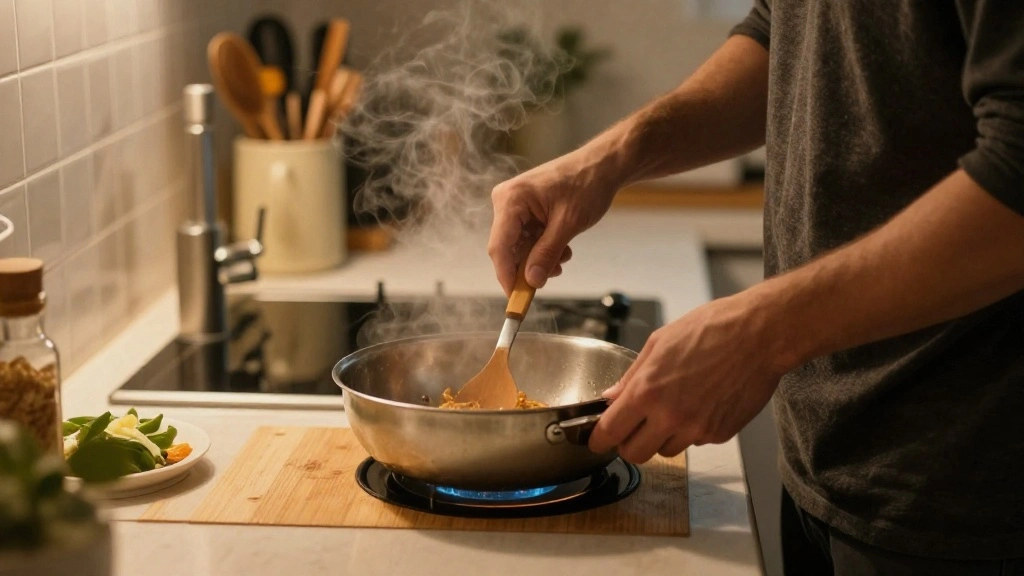
Cooking can be a delightful experience, but lingering cooking smells can turn your kitchen into an unpleasant space. If you’ve ever walked into your house after a long day and been greeted by the scent of yesterday’s dinner, you know the urgency of this problem. It’s not just about comfort; strong odors can even affect your appetite and the overall ambiance of your home.
In this guide, you’ll discover effective methods to eliminate those pesky cooking odors and freshen your kitchen. By the end, you’ll learn how to use common household items, implement some easy cleaning tips, and even make your own natural air fresheners.
This guide is designed for beginners and should take you approximately 30 minutes to complete. Whether you want to impress guests or simply enjoy a fresher kitchen, this article will provide you with everything you need to know!
TL;DR Summary
- Identify sources of cooking smells and implement cleaning tips.
- Use natural ingredients like vinegar and baking soda to neutralize odors.
- Create homemade air fresheners for a pleasant aroma.
- Maintain good ventilation to ensure fresh air circulation.
Recommended Products

ON-THE-GO ODOR CONTROL: ARM & HAMMER Fresh Effects Odor Neutralizing Pouches instantly absorb and eliminate big odors while you're on the move

POP ONE IN, STOP ODOR: Pack of 12 x 14 oz ARM & HAMMER Fridge-n-Freezer Baking Soda Odor Absorbers helps food taste as it should by absorbing and deodorizing lingering odors without harsh chemicals

CREATE FRESHER AIR: Arm & Hammer Essentials Disposable Moisture Absorbers and Odor Eliminators attract and trap excess moisture and get rid of musty odors for fresher air.
TL;DR Summary
Editor’s Choice

Arm & Hammer Baking Soda Fridge-n-Freezer Odor Absorber, Orange 14 oz, P…


AirScent Hotel Diffuser Oil No. 1014 Inspired by The Iconic 5-Star Hotel…

LEVOIT Air Purifier for Home Allergies Pet Hair in Bedroom, Covers Up to…
Prerequisites/Materials Needed
- Vinegar (1 cup)
- Baking soda (1 cup)
- Essential oils (your choice)
- Water (2 cups)
- Spray bottle (1)
- Dish soap (1 tablespoon)
- Cleaning cloths (2-3)
- Air freshener or diffuser (optional)
Recommended Products

Mrs. Meyer's Vinegar Gel Cleaning Spray not only breaks down everyday grime, but also lifts dirt from surfaces leaving a cleaner surface to make your bathroom look spotless

Effective Multi-Purpose Cleaning Spray - Removes Grease, Dirt, and Grime

Aunt Fannie's All Purpose Vinegar Cleaning Spray: Our solution uses the power of vinegar & plant-based cleaners to tackle greasy & grimy messes on a variety of household surfaces; No rinsing required
Prerequisites/Materials Needed
Editor’s Choice
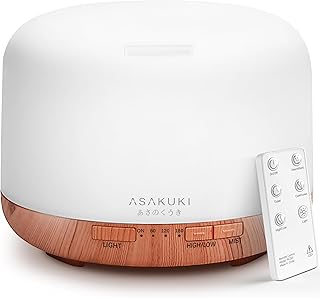
ASAKUKI Essential Oil Diffuser for Home, 500ML Aromatherapy Diffuser Hum…

JohnBee Empty Spray Bottles (16oz/2Pack) – Adjustable Spray Bottles for …

Arm & Hammer Baking Soda Fresh-n-Natural Odor Eliminator, 12 oz (Pack of 3)
Skill Level & Time Estimate
Skill Level: beginner
Total time estimate: 30 minutes
Recommended Products

PREMIUM AIR FRESHENER: An elegantly designed wall plug in with fluted, glass refill jars and your favorite fragrances inspired by the garden.

Our latest Air Wick scented oil warmer optimizes airflow for 360 degree fragrance diffusion, reaching every corner of the room for a consistent fragrance experience

A MODERN FRAGRANCE EXPERIENCE: Redefine how you experience fragrance; Air Wick Essential Mist is the modern way to transform fragrance infused with natural essential oils into a mist
Skill Level & Time Estimate
Editor’s Choice

Activated Charcoal Odor Absorber for Strong Odors in Car, Closet, Shoe, …
ASAKUKI Essential Oil Diffuser for Home, 500ML Aromatherapy Diffuser Hum…

ECOSELF Smart Air Purifier for Home Large Rooms, with WiFi Control, Cove…
Step 1: Gather Your Materials
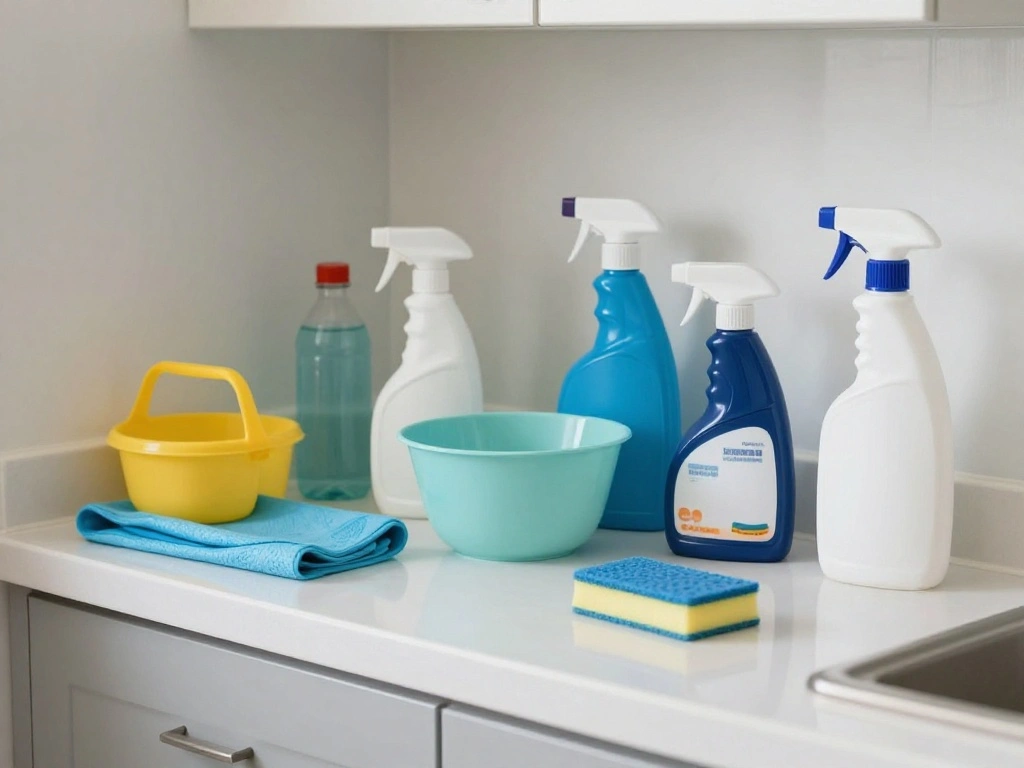
Before you begin, collect all the necessary materials listed in the prerequisites. This preparation makes the process smoother and quicker.
- Find a clean workspace, ideally in your kitchen.
- Gather vinegar, baking soda, essential oils, spray bottle, and cleaning cloths.
Pro Tip: Keep your materials organized to avoid distractions. Warning: Don’t skip this step; having everything ready saves time later on.
Time estimate for this step: 5 minutes.
Recommended Products

GREASE CHARCOAL FILTER COMBO: This charcoal grease filter combo will protect your hood from grease while at the same time filtering out odors through its activated charcoal layer.

GREASE CHARCOAL FILTER COMBO: This charcoal grease filter combo will protect your hood from grease while at the same time filtering out odors through its activated charcoal layer.
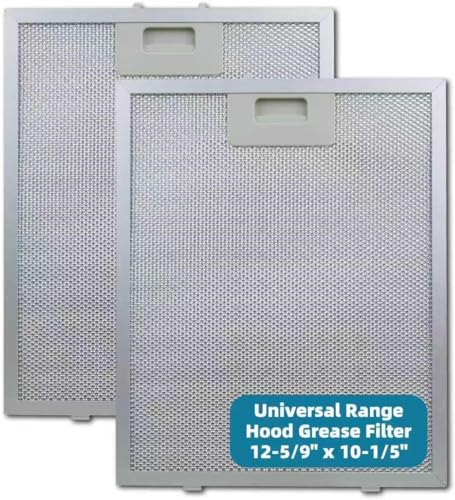
Please measure the size of the original product first, and only purchase if the size matches!!! Universal Fit for Most Standard Range Hoods – Verify Your Size: This grease filter is designed for standard range hoods requiring a 12-5/9” x 10-1/5” (approx. 12.56” x 10.2”) replacement filter. Its universal size ensures compatibility with a wide variety of ducted and ductless kitchen ventilation systems. Please measure your existing filter’s length and width before ordering to guarantee a perfect fit.
Step 1: Gather Your Materials
Editor’s Choice

In The Swim Solvay Bicar Sodium Bicarbonate Alkalinity Up, 50 lbs.
Step 2: Clean Your Cooking Surfaces
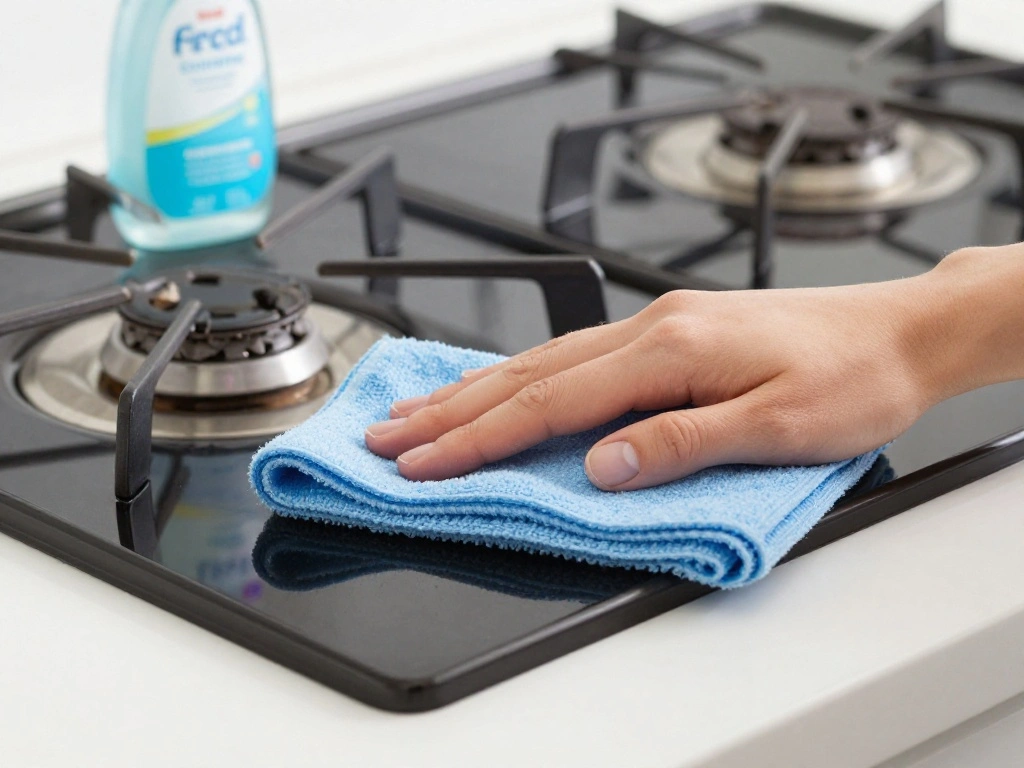
Start by cleaning your stovetop, countertops, and any surfaces where cooking odors may linger. This step helps remove residue that can contribute to smells.
- Mix a solution of warm water and dish soap.
- Use a cleaning cloth to wipe down surfaces thoroughly.
- Pay special attention to areas with grease or food splatters.
Pro Tip: Use vinegar in your cleaning solution for extra odor-fighting power. Warning: Avoid using abrasive cleaners that can scratch surfaces.
Time estimate for this step: 10 minutes.
Recommended Products

Includes one, 17 ounce Amazon Basics Gel Odor Eliminator

CHARCOAL DEODORIZER BAGS WITH HOOKS. Our 3.5oz bamboo charcoal bag musty smell eliminators are the perfect size to place wherever you have a bad smell: closet, car, shoes, gym bag, basement, pet areas.

🚫 Remove Bad Odors - Freshen up your car, home or even shoes with our charcoal odor absorber. This bamboo charcoal air purifying bag act as a natural odor eliminator to remove unwanted smells. Think of your activated bamboo charcoal bags like sponges that absorb odor and freshen the air. This makes a perfect cat odor eliminator for home, basement odor eliminator, and air deodorizer odor eliminator.
Step 3: Use Baking Soda to Absorb Odors
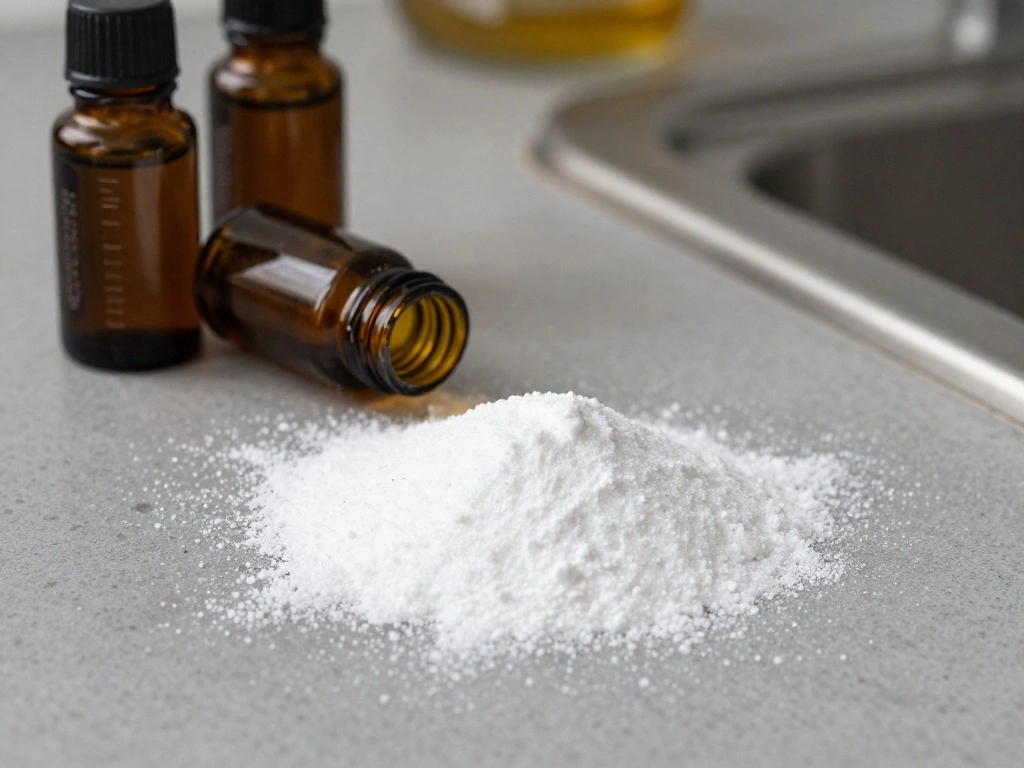
Baking soda is a natural deodorizer that can effectively absorb cooking smells. This step is simple yet powerful.
- Sprinkle a generous amount of baking soda on surfaces or in bowls around your kitchen.
- Leave the baking soda in place for at least 15 minutes (or longer for stronger odors).
- Afterward, vacuum or wipe it away.
Pro Tip: For a stronger effect, mix baking soda with a few drops of essential oil before applying. Warning: Ensure your pets cannot access areas with baking soda.
Time estimate for this step: 15 minutes.
Recommended Products

Effective Odor Elimination: Absorbs and destroys big odors in small spaces, keeping your home smelling fresh and clean.

ATTRACTS AND TRAPS EXCESS MOISTURE: Use Arm & Hammer Moisture Absorber and Odor Eliminator Tubs to attract and trap excess moisture from damp spaces.

CONTAINS: (1) cow-themed fridge deodorizer.
Step 3: Use Baking Soda to Absorb Odors
Editor’s Choice

ROXUN Arm Sleeves, Cooling UV Sun Protection Sports Compression for Men/…

Lagunamoon Essential Oils Aromatherapy Set – 6 Oils for Diffusers, Home …
Step 4: Create a Vinegar Solution

Vinegar is another powerful ingredient for neutralizing odors. You can create a simple vinegar solution to use throughout your kitchen.
- In a spray bottle, mix 1 cup of water with 1 cup of vinegar.
- Shake well to combine.
- Spray this solution on surfaces, in the air, or in any areas with lingering odors.
Pro Tip: Add a few drops of your favorite essential oil to the mix for a pleasant scent. Warning: Be cautious with vinegar on natural stone surfaces, as it can cause damage.
Time estimate for this step: 5 minutes.
Recommended Products

HEALTHY, HAPPY HOME- LiBa's premium 2 pack amber glass spray bottles offer UV protection and are equipped with an adjustable spay nozzle, making them the perfect solution to all of your DIY needs. Ingredients like bleach, baking soda, vinegar, and sensitive essential oils will remain at top quality. Create your favorite natural cleaning solutions, hair treatments, window, floor, carpet , and kitchen cleaners, air fresheners, pet, ironing and linen spray and much much more!

Amber Glass, UV Protection: The spray bottle is made from high-quality amber glass, which provides UV protection to preserve the contents from light degradation, making it ideal for essential oils, cleaning solutions, and more.

Spray Nozzles: The adjustable nozzle allows 3 spray settings: mist, stream and off. The convenient and reliable squeeze trigger sprayer can meet all your needs.
Step 4: Create a Vinegar Solution
Editor’s Choice
ZEP Professional Sprayer Bottle, 32 oz, Pack of 3, HDPRO1 | Versatile Ad…

Essential Oils Set by Pure Aroma – Top 6 Aromatherapy Oils Gift Set-6 Pa…

Iberia All Natural Distilled White Vinegar, 1 Gallon – 5% Acidity
Step 5: Ventilate Your Kitchen
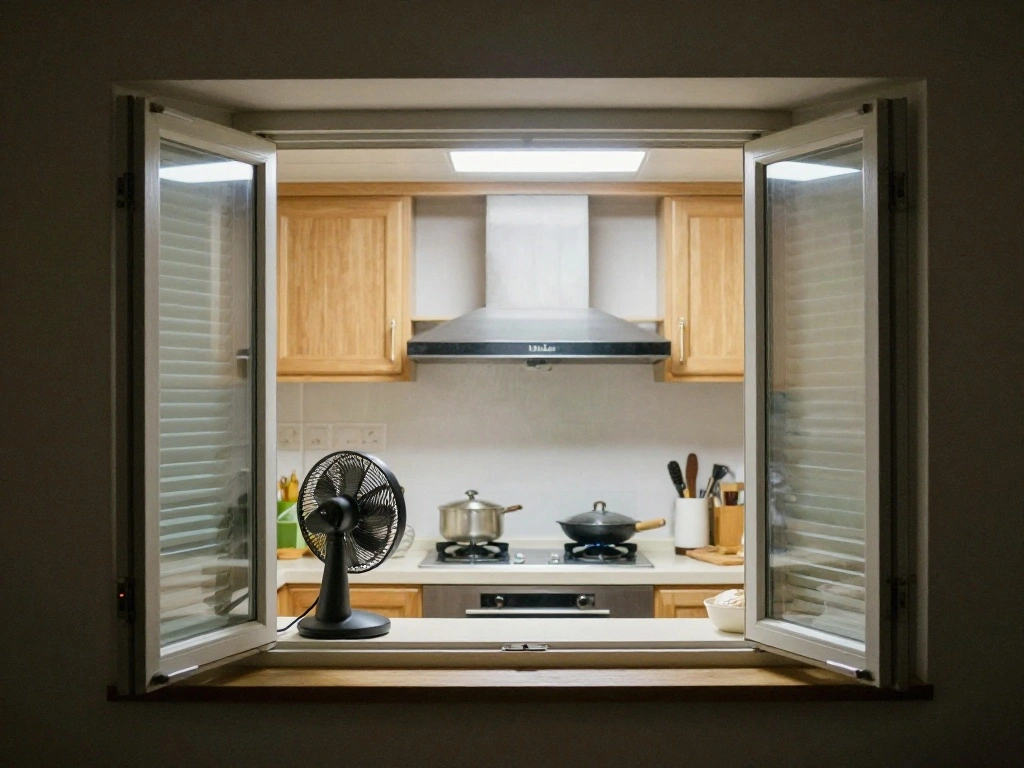
Proper ventilation in your kitchen helps to dissipate odors quickly. This step is crucial for maintaining a fresh environment.
- Open windows and doors to allow fresh air to circulate.
- If you have an exhaust fan or range hood, turn it on while cooking.
- Consider using a small fan to improve air circulation.
Pro Tip: For a more pleasant aroma, place a bowl of vinegar near the open window to absorb outside odors. Warning: Ensure that the fan is clean to avoid circulating dust.
Time estimate for this step: 10 minutes.
Recommended Products
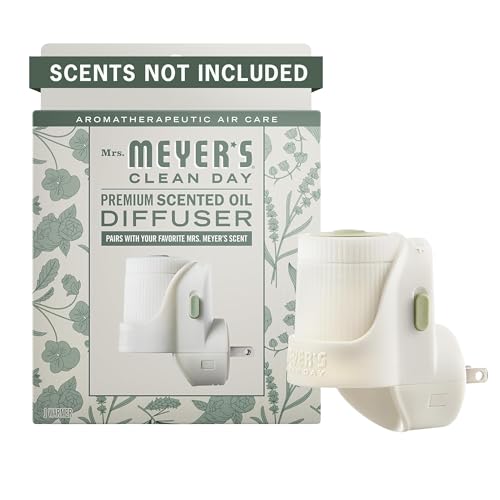
SCENTS SOLD SEPARATELY: Contains 1 Premium Scented Oil Diffuser. Works exclusively with Mrs. Meyer's Clean Day Scented Oil Refills. Purchase refills in your favorite garden-inspired scents to customize fragrance intensity.

REED DIFFUSER - Housed in a reusable, refillable glass vessel, our Reed Diffuser elevates everyday living and entertaining. It includes eight all-natural rattan reed sticks, delivering continuous fragrance, uninterrupted.

PREMIUM AIR FRESHENER: An elegantly designed wall plug in with fluted, glass refill jars and your favorite fragrances inspired by the garden.
Step 5: Ventilate Your Kitchen
Editor’s Choice
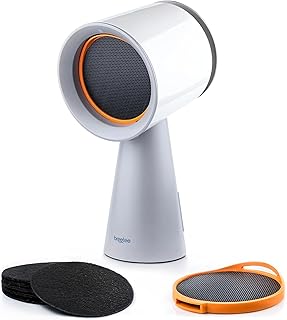
BREETEE Portable Range Hood Kitchen–5-Layer Filter Compact Desktop Exh…
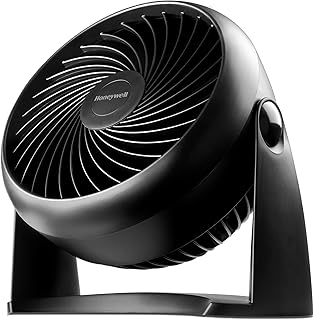
Honeywell TurboForce Air Circulator, Small Tabletop Fan, Quiet Personal …
Step 6: Make Your Own Air Freshener
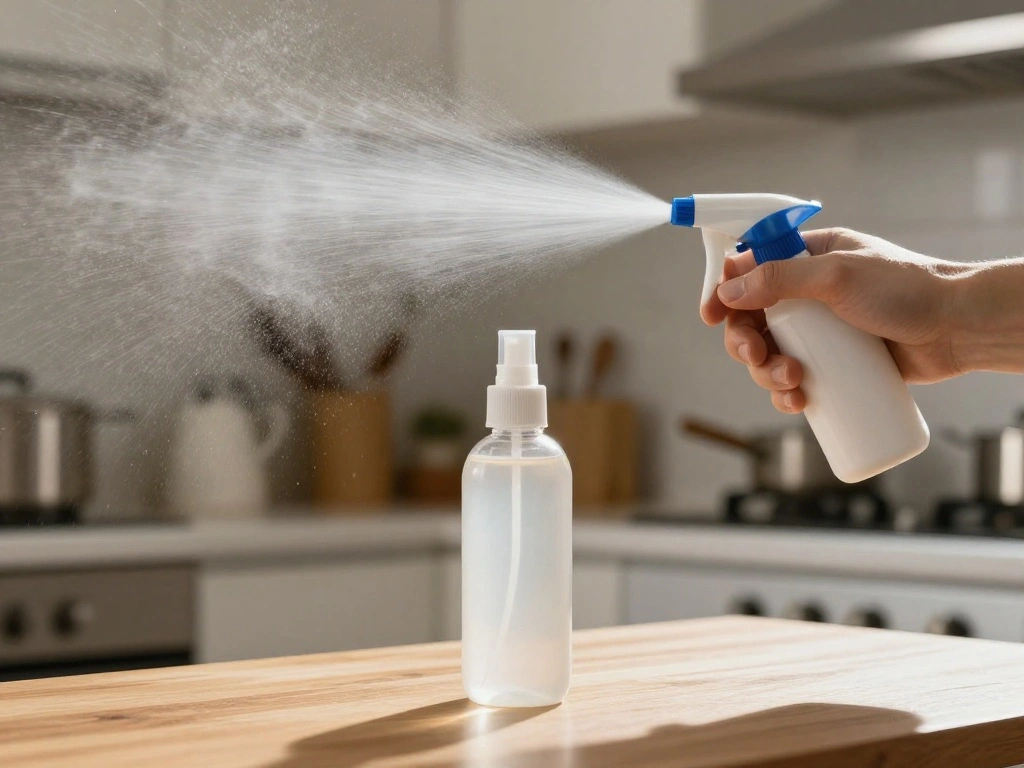
A homemade air freshener can keep your kitchen smelling great long after cooking. This step allows you to customize scents to your liking.
- In a spray bottle, mix 2 cups of water with 1 tablespoon of dish soap and a few drops of essential oil.
- Shake well before each use.
- Spray around your kitchen or in the air to eliminate odors.
Pro Tip: Experiment with different essential oils like lemon, lavender, or peppermint for unique scents. Warning: Test the mixture on a small surface first to avoid any discoloration.
Time estimate for this step: 10 minutes.
Recommended Products

PROTECT YOUR HOOD: This aluminum hood vent filter will protect your Ventline range hood vent from grease coming in while cooking, keeping the vent clean and functioning at top performance.

FRESH AIR: This GE microwave filter replacement ensures your kitchen is well-ventilated by ensuring your microwave vent fan is functioning at top capacity by trapping grease in the filter.

PROTECT YOUR HOOD: This aluminum grease filter for range hood will protect your range overhead ensuring it functions at top capacity since the stove hood vent filter blocks grease from entering
Step 6: Make Your Own Air Freshener
Editor’s Choice
Lagunamoon Essential Oils Aromatherapy Set – 6 Oils for Diffusers, Home …

Seventh Generation Dish Liquid Soap Free & Clear liquid soap Pack of 6 D…
Step 7: Maintain Regular Cleaning Routines
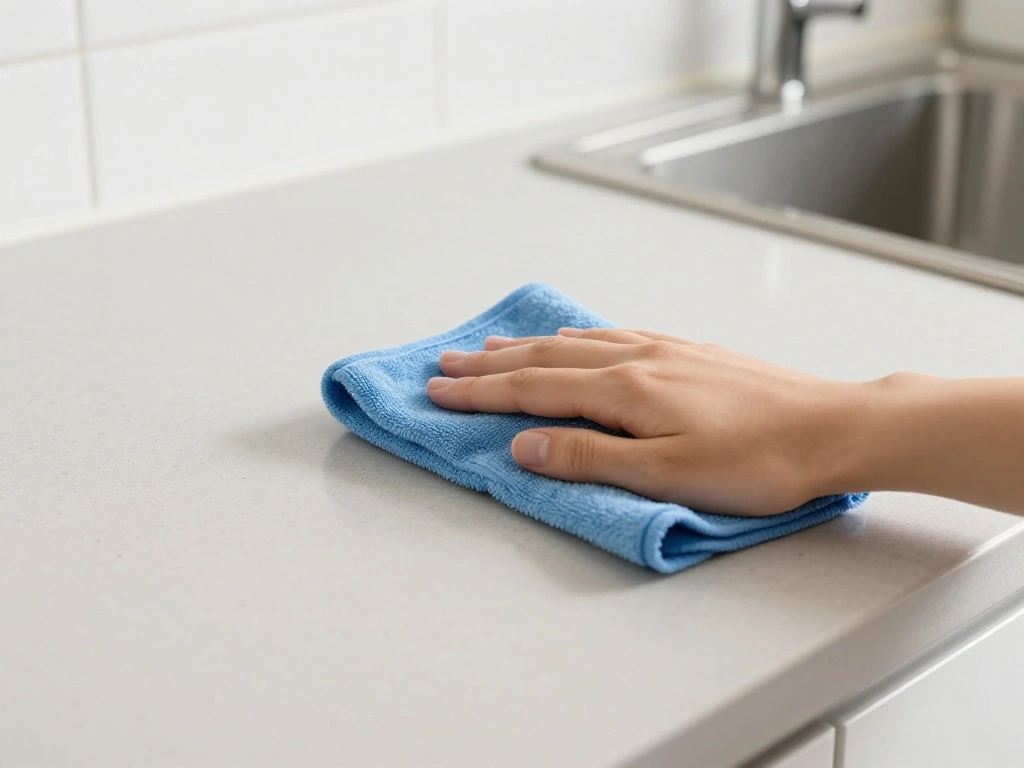
To keep odors at bay, establish a regular cleaning routine for your kitchen. Consistent maintenance prevents the buildup of smells.
- Set aside a specific day each week for deep cleaning.
- Wipe down surfaces daily to remove food particles.
- Empty the trash regularly and clean the bin to avoid lingering smells.
Pro Tip: Consider using scented trash bags for added freshness. Warning: Don’t neglect small appliances; they can harbor odors too.
Time estimate for this step: Ongoing.
Recommended Products

EFFECTIVELY ODOR ABSORBER: Our activated bamboo charcoal carbon adsorption capacity is three times than ordinary carbon, as we added a secondary high-temperature activation process , makes bamboo charcoal bags have high specific surface area and activity to quickly eliminate the odor and excess moisture. Charcoal odor eliminator truly absorb bad odors naturally not covering the odor with additives

Compatible with iTouchless 8 Gal and larger Trash Cans with Odor Filter Compartment

Home & Pet Odor Absorber: The Moso Natural bamboo charcoal air purifying bag works like a magnetic sponge, actively drawing odors out of the air instead of masking them with fragrance. Unscented and fragrance-free, it leaves no smell behind — just air that's genuinely fresher.
Step 7: Maintain Regular Cleaning Routines
Editor’s Choice

Plasticplace 4 Gallon Trash Bags │ 0.7 Mil │ Lavender and Soft Vanil…
Griot’s Garage Odor Neutralizing Leather Cleaner for Car Seats, Dashboar…
LEVOIT Air Purifier for Home Allergies Pet Hair in Bedroom, Covers Up to…
Step 8: Use Natural Odor Eliminators
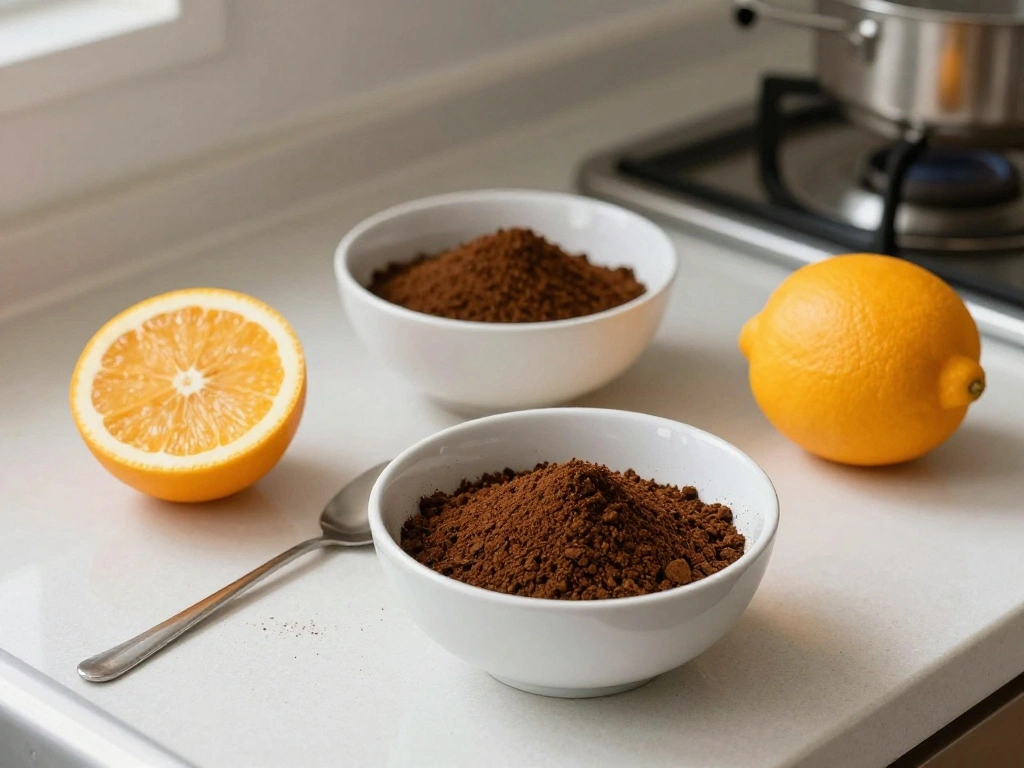
In addition to baking soda and vinegar, consider other natural odor eliminators that can help freshen your kitchen.
- Place bowls of coffee grounds or activated charcoal around the kitchen to absorb odors.
- Use citrus peels in a bowl to naturally scent the air.
- Keep fresh herbs like mint or basil on your counter for added fragrance.
Pro Tip: Refresh coffee grounds or charcoal regularly for best results. Warning: Ensure any food items are safe for pets if you have them.
Time estimate for this step: 5 minutes.
Step 8: Use Natural Odor Eliminators
Editor’s Choice
Activated Charcoal Odor Absorber for Strong Odors in Car, Closet, Shoe, …
Activated Charcoal Odor Absorber for Strong Odors in Car, Closet, Shoe, …

Citrus Magic Odor Eliminator Air Freshener Spray for Home, Orange Blast,…
Step 9: Monitor for Lingering Odors
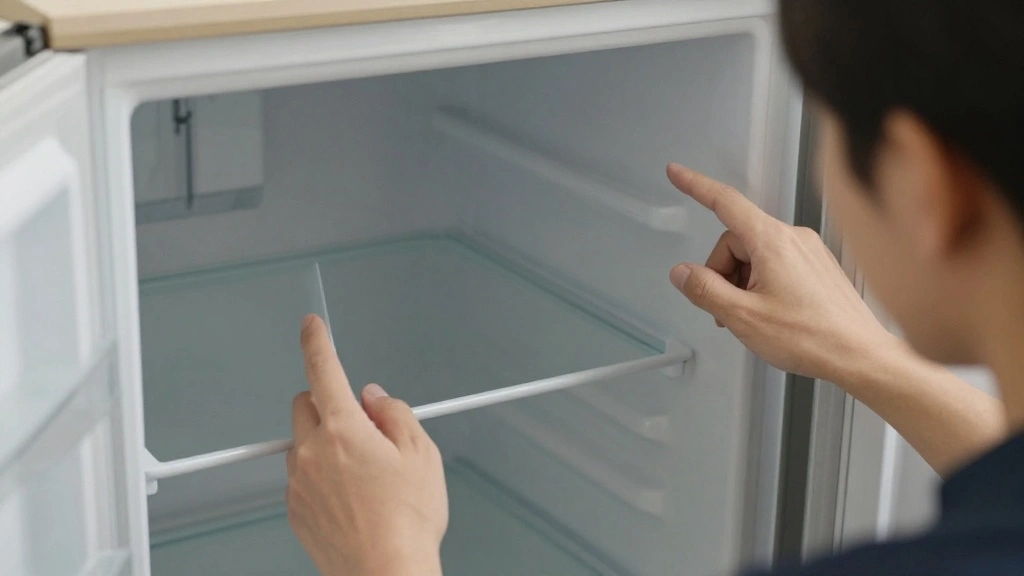
After cleaning and freshening your kitchen, keep an eye on any persistent odors. This step helps you catch issues before they become major problems.
- Take note of any smells that return after cleaning.
- Investigate areas like the fridge, pantry, or under the sink where odors can hide.
- Repeat any necessary cleaning steps as soon as you notice smells.
Pro Tip: Use a small odor detection device for an added layer of monitoring. Warning: Don’t ignore odors; they can indicate deeper issues like mold.
Time estimate for this step: Ongoing.
Step 9: Monitor for Lingering Odors
Editor’s Choice

Solary Smoke Machine Leak Detection – Automotive Leak Detection Tool for…

Air Purifiers for Home Large Room Up to 1500ft² with Aromatherapy, MOOK…
Activated Charcoal Odor Absorber for Strong Odors in Car, Closet, Shoe, …
Pro Tips
- Tip for Strong Odors: If you frequently cook strong-smelling foods like fish or cabbage, consider placing a bowl of vinegar on the counter as you cook.
- Tip for Frequent Cleaning: Create a quick daily cleaning checklist to maintain a fresh kitchen environment.
- Tip for Essential Oils: Use a diffuser with your favorite essential oils to keep your kitchen smelling great.
- Tip for Deep Cleaning: Schedule a monthly deep clean to tackle hard-to-reach areas that may harbor odors.
- Tip for Scented Candles: Use unscented candles while cooking; they won’t compete with the food aroma.
Pro Tips
Editor’s Choice
LEVOIT Air Purifier for Home Allergies Pet Hair in Bedroom, Covers Up to…
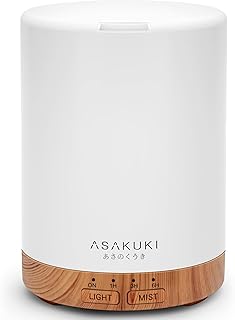
ASAKUKI Essential Oil Diffuser for Home, 300 ml Humidifier with Automati…

Aunt Fannie’s Toilet Bowl Cleaner, Bleach-Free Cleaner Powered by Vinega…
Common Mistakes to Avoid
Warning: Skipping surface cleaning before using odor absorbers can lead to ineffective results. Always clean first!
Warning: Using too much vinegar can leave a strong smell; dilute properly.
Warning: Forgetting to empty trash bins regularly can lead to persistent odors.
Common Mistakes to Avoid
Editor’s Choice
Activated Charcoal Odor Absorber for Strong Odors in Car, Closet, Shoe, …
ZEP Professional Sprayer Bottle, 32 oz, Pack of 3, HDPRO1 | Versatile Ad…

Febreze Trash Odor Fighter, Trash Can Air Freshener, Stick-On Deodorizer…
Troubleshooting Section
Problem: Odors persist after cleaning.
Solution: Check for hidden food particles or spills. Repeat cleaning steps if necessary.
Problem: Vinegar smell is too strong.
Solution: Open windows for ventilation and dilute vinegar more in the future.
Problem: Baking soda isn’t working.
Solution: Ensure you are using a fresh box; old baking soda loses effectiveness.
Troubleshooting Section
Editor’s Choice
ASAKUKI Essential Oil Diffuser for Home, 500ML Aromatherapy Diffuser Hum…

Activated Charcoal Odor Absorber for Strong Odors in Car, Closet, Shoe, …

Bob’s Red Mill Baking Soda – 1 Pound (Pack of 4), Non GMO, Gluten Free, …
Variations/Alternative Methods
Consider using commercial air fresheners if natural methods don’t suit you. They can provide a quick fix but may contain strong chemicals. Alternatively, using a high-quality charcoal air purifier can also help in maintaining freshness.
When to use each method:
- Natural options work best for ongoing maintenance.
- Commercial products are good for immediate odor removal.
- Air purifiers are effective for long-term solutions in odor-prone kitchens.
Variations/Alternative Methods
Editor’s Choice

Zero Odor Pro Commercial Strength Odor Eliminator, Room Deodorizer and A…

Cut to Fit Activated Carbon Filter Sheet 16” x 48” – Activated Carbo…

Fresh Products Eco Air Refill Air Freshener Dry Fragrance Technology Nat…
FAQs
What if I don’t have vinegar? You can use lemon juice or baking soda as alternatives to neutralize odors.
How long should I let baking soda sit? Allow it to sit for at least 15 minutes for optimal odor absorption.
Is it safe to use essential oils around pets? Some essential oils can be harmful to pets; always research safety before use.
FAQs
Editor’s Choice
Activated Charcoal Odor Absorber for Strong Odors in Car, Closet, Shoe, …

Conclusion
Congratulations! You’ve successfully learned how to tackle cooking smells and freshen up your kitchen. It’s rewarding to create an inviting space for cooking and gathering with loved ones.
As a next step, maintain your new routine by regularly cleaning and using the tips you’ve learned here. For more ideas on kitchen organization or recipes, check out our other guides!