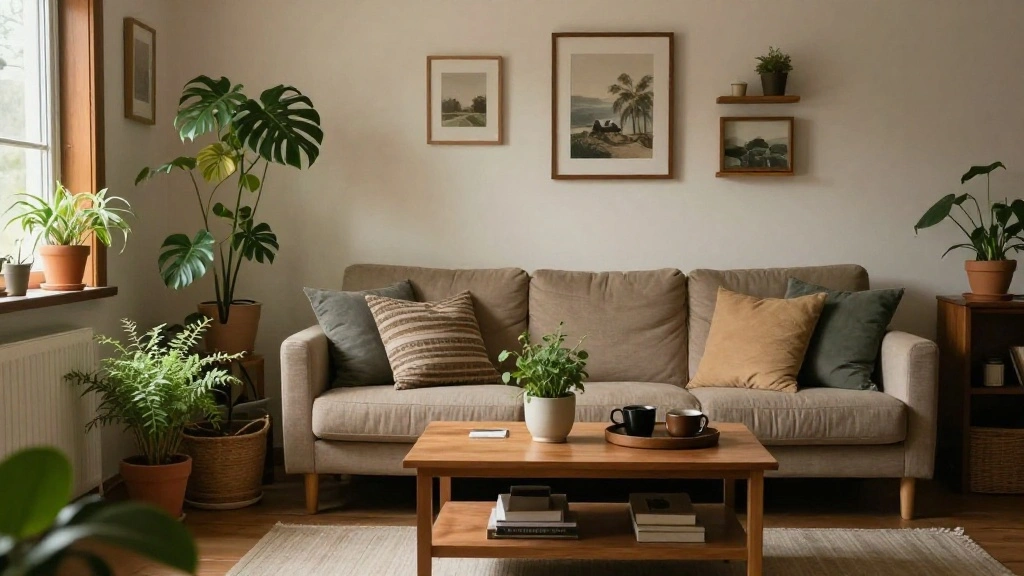
Are you tired of synthetic air fresheners that mask odors instead of truly eliminating them? Many conventional fragrances contain harmful chemicals that can affect your health and the environment. Making the switch to natural home fragrance doesn’t have to be costly or complicated. In this guide, you’ll learn how to create your own natural fragrances using budget-friendly ingredients found in your kitchen or local store.
By the end of this guide, you will have a variety of DIY recipes for natural home fragrances that are safe, effective, and easy to make. You’ll also discover tips on how to infuse your home with delightful scents without breaking the bank. This guide is designed for beginners and will take you approximately 1-2 hours to complete.
Let’s embark on a sensory journey to transform your home into a fragrant haven, all while keeping your wallet happy!
TL;DR Summary
- Switching to natural home fragrance is easy and budget-friendly.
- You’ll learn DIY recipes using common ingredients.
- Expect to spend 1-2 hours creating your own fragrances.
- Enjoy a healthier home environment with pleasant scents.
Recommended Products

LAVENDER ESSENTIAL OIL – Features a soft, floral lavender aroma for use in diffusers, DIY projects, home fragrance, and personal care formulations.

100% PURE & NATURAL LEMON OIL - Handcraft Blends oils are exactly that! Many oils being sold make that claim but are in fact made of natural isolates and mixtures. Each essential oil is tested by an independent lab which is why every bottle comes with a Quality Guaranty.

100% PURE & NATURAL LEMON OIL - Majestic Pure Blends oils are exactly that! Many oils being sold make that claim but are in fact made of natural isolates and mixtures. Each essential oil is tested by an independent lab which is why every bottle comes with a Quality Guaranty.
TL;DR Summary
Editor’s Choice

Essential Oils Diffuser,Aromatherapy Diffuser,Birthday for Women Mom Gra…


Qingbei Rina Potpourri Bags,Rose Scented Potpourri Dried Flowers, Pink D…

Complete Candle Making Kits for Adults Beginners, DIY Candle Making Supp…
Prerequisites/Materials Needed
- Essential oils (e.g., lavender, lemon) – 1 small bottle each
- Water – 1 cup
- Spray bottle – 1 (8 oz)
- Fresh herbs (e.g., mint, rosemary) – 1 small bunch each
- Fruit peels (e.g., orange, lemon) – 1 cup
- Small pot for stovetop simmering – 1
- Measuring cups – 1 set
- Fine mesh strainer – 1
Recommended Products
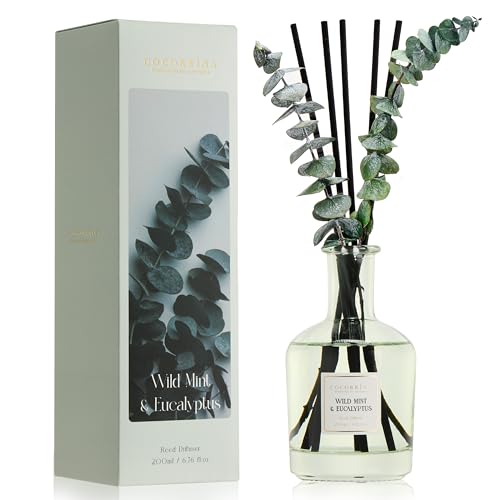
Wild Mint & Eucalyptus: Cool and invigorating, blending crisp eucalyptus and fresh mint with bright citrus and juicy fruit, creating a lively green scent that feels refreshing and uplifting

ELEVATE YOUR BATHROOM SANCTUARY - Immerse your bathroom in tranquility with our premium Sweet Water Decor Bathroom Reed Diffuser Set. Crafted with care from sustainable materials, enjoy a spa-like atmosphere with our specialized bathroom reed diffuser featuring Sea Salt Citrus & Musk Amber scents.
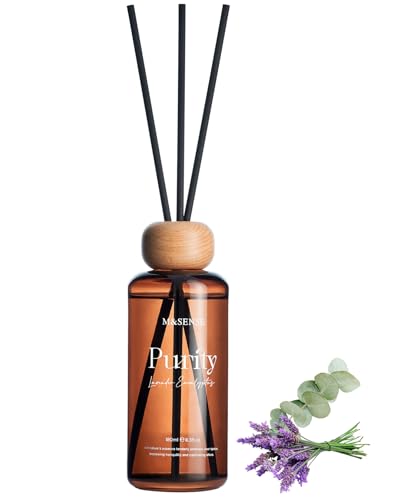
Natural Ingredients: M&SENSE reed diffuser set is formulated with non-toxic natural essential oils, solubilized in a bio-based solvent of the highest safety grade. Free from harsh chemicals, our diffuser is safe for you, your beloved pets and the whole family. It emits a delicate, nature-inspired fragrance that infuses your space with a warm and cozy ambiance
Prerequisites/Materials Needed
Editor’s Choice

Majestic Pure Essential Oil with Glass Dropper – 100% Pure and Natural -…
Skill Level & Time Estimate
Skill Level: beginner
Total time estimate: 1-2 hours
Step breakdown:
- Gather materials: 10 minutes
- Create your first fragrance: 30 minutes
- Prepare additional recipes: 1 hour
Recommended Products

CANDLE MAKING STARTER KIT - Complete kit Inclusions: 1.1lb bees wax, 4 dyes, 6 essential oils, 1 pot, 9 candle tins, 100 cotton wicks, 100 candles wicks stickers, stirring stick and manual. This candle making kit for adults, kids and beginners is a relaxing activity and a great starter craft kit for a side income

【A Complete Candle Making Kit】LED display wax melting pot 500 ml x 1(Wax Heater Color Random),1.5 Pounds Soy Wax x 2 ,Candle Tin x 16, Candle essential scents x 8 , Wax Dyes x 12 , Gift boxes x 16, Ribbons x 20 , Wooden holder x 20, Wick x 20,Stickers x 20,Warning Stickers x 20, Anti-scald Gloves x 2,Stirring Spoon x 1, Silicone Anti Scalding Mat x 1 and more.Contains marker pen and writable label paper, you can make your own unique label, and each candle can is equipped with a very beautiful gi

【Perfect Candle Making Kit】Our candle making kit for adults contains everything needed to make homemade candles: 2lb soy candle wax x1, 900ml 304 Stainless Steel Candle Pouring Pot x 1, 3.9'' Candle Wicks x50, Candle Wicks Sticker x20, wooden wick holder x 5 , Spoon x1 , DIY candle making kit supplies suit for beginners.
Skill Level & Time Estimate
Editor’s Choice

Cocorrína Reed Diffuser Set, Clean Linen 6.7 fl oz Scented Diffuser wit…

Lagunamoon Essential Oils Aromatherapy Set – 6 Oils for Diffusers, Home …

SAEUYVB Candle Making Kit with Wax Melter, Candle Wax for Candle Making …
Step 1: Gather Your Materials
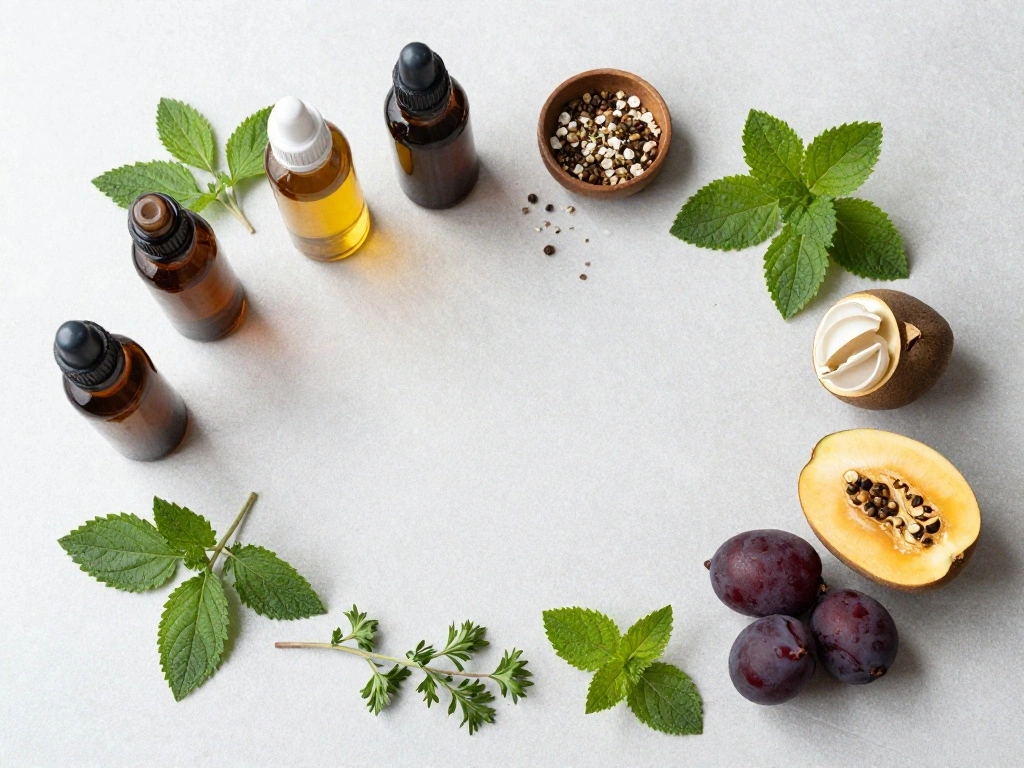
Start by collecting all the materials you need for your natural home fragrances. This will help streamline your process and ensure you have everything at your fingertips. Follow these sub-steps:
- Check your pantry for essential oils, herbs, and fruit peels.
- Measure out the required quantities of each item.
- Set up a clean workspace with your spray bottle and pot readily available.
Pro Tip: Having everything organized will save you time during the fragrance-making process.
Why this matters: Gathering materials allows you to focus on creating your fragrances without interruptions.
Estimated time: 10 minutes.
Recommended Products

21 VARIETIES DRIED FLOWERS SET: Each dried flower has its special function and shape, this set will meet your different needs. You will get 18 kind natural dried flowers: Lavender, Lily, Jasmine, Red Gomphrena Globosa, Rose Petals, Don't Forget Me Flower, Peony, Helichrysum, Bracteatum, Purple Gomphrena, Money plant flowers, Lotus plumule, Calendula, Fig Flower, Jirechrysanthemum, Lemon Slices, Dianthus Leaf, Silktree Albizziae Flower, Kunlun Snow Chrysanthemum, Roselle, Stevia Leaf !

Perfume sachets including flower,Petal,Pinone

🌺KINDS OF FLOWERS - This set includes 9 bags -7g/ Bags natural dried flower herbs: Rose petals,Rose,Gomphrena,Lavender,Don`t forget me,Lily,Jasmine,Colorful Chrysanthemum,Red plum. Keep in a dry environment or refrigerator.
Step 1: Gather Your Materials
Editor’s Choice

Herb Drying Rack Hanging Mesh 4 Layer 18″ with Zipper, Garden Pruning Sh…

Plastic Spray Bottles Empty Spray Bottle 16.9oz/500ml 2 Pack Heavy Duty …
Cliganic Organic Aromatherapy TOP 12 Essential Oils Set, 100% Pure – Pep…
Step 2: Choose Your Fragrance Base
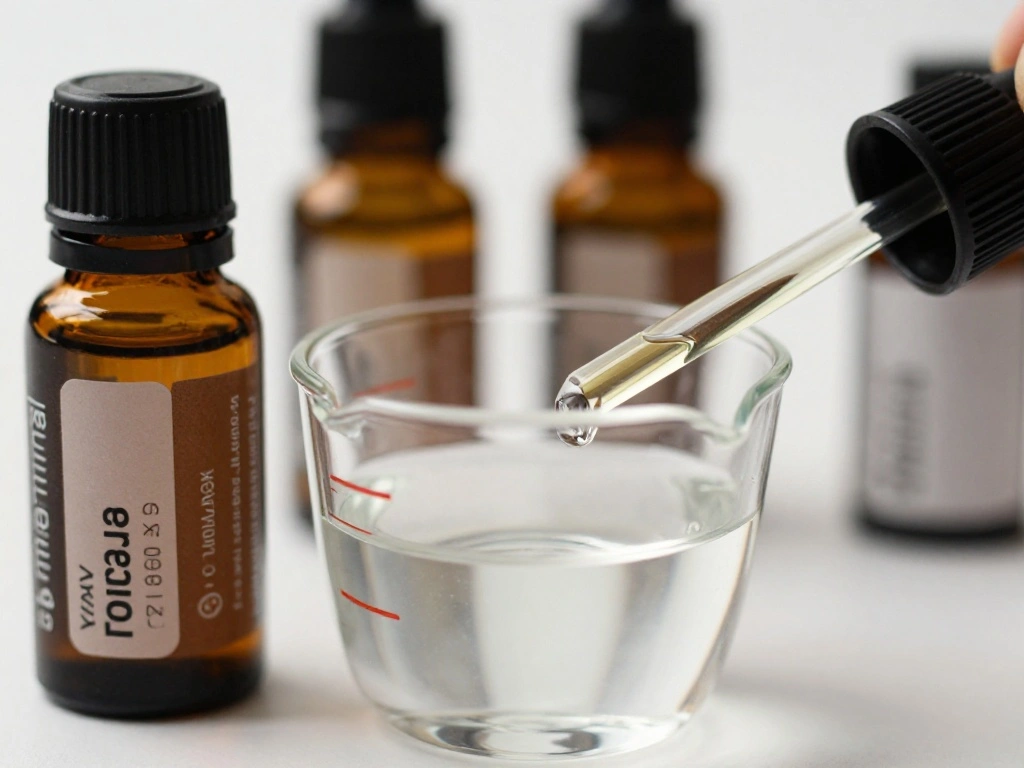
Next, decide on the base for your natural fragrance. You can use water or a combination of water with essential oils. Here’s how to choose:
- If you prefer a light scent, use water alone.
- For a more concentrated fragrance, mix water with essential oils (e.g., 1 cup of water with 10-15 drops of essential oil).
Pro Tip: Experiment with different oil combinations to create unique scents.
Why this matters: The base determines how strong your fragrance will be and sets the tone for your home atmosphere.
Estimated time: 10 minutes.
Recommended Products

【Important Usage Warnings】Compatible Liquids: Recommended for low-viscosity water-based liquids such as toners, hydrosols, alcohol-based disinfectants, and diluted cleaning solutions. Do NOT use with: High-viscosity oils, thick serums, or liquids with suspended particles (may clog the nozzle). Strong acids, bases, corrosive chemicals, or harsh solvents (may damage the glass or pump components).

PACKAGE INCLUDES: 4 pack small spray bottles 4 oz + 2 large funnels + 4 labels + 1 marker + 1 extra sprayer + 1 pipette. Bottles are packaged in bubble wrap and thick carton box to prevent damage
GREAT VALUE - Includes 2oz Amber glass spray bottlex3, mist sprayerx6, Funnelx1, Dropperx1, Labelx6
Step 2: Choose Your Fragrance Base
Editor’s Choice

Steam & Go Demineralized Water for Steam Mop – Lavender Scent, 32 oz |…

2oz Amber Glass Spray Bottles for Essential Oils, Small Empty Spray Bott…
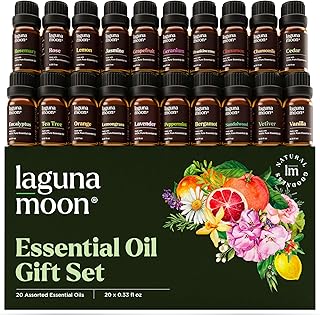
Lagunamoon Essential Oils Set, Top 20 Gift Set Oils for Diffusers, Humid…
Step 3: Create a Simmering Potpourri
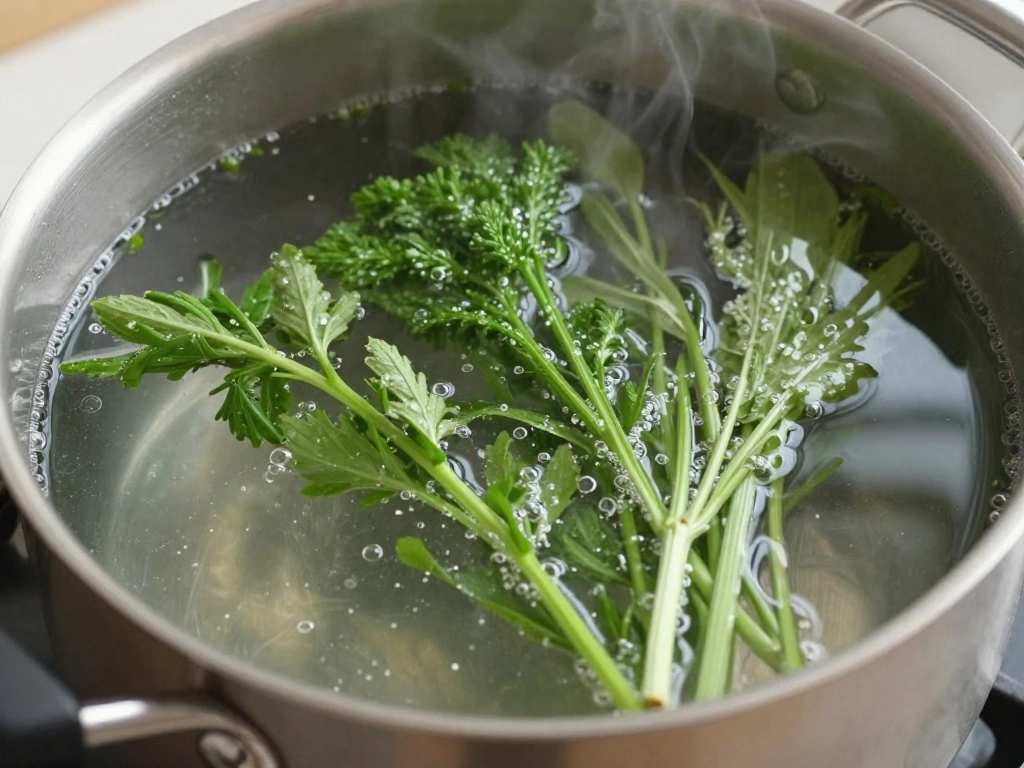
A simmering potpourri is an excellent way to fill your home with natural scents. Here’s how to create it:
- Fill a small pot with water.
- Add your chosen herbs (e.g., mint, rosemary) and fruit peels (e.g., orange, lemon).
- Bring the pot to a simmer over low heat and let it cook for 30 minutes.
Warning: Do not leave the pot unattended to prevent it from boiling dry.
Why this matters: Simmering extracts the natural oils from herbs and fruits, creating a delightful aroma that enhances your living space.
Estimated time: 30 minutes.
Recommended Products

PREMIUM FRAGRANCE FOR HOME: A Unique Blend Of Fresh Squeezed Lemon Combined with Relaxing Lavender Will Create a Calm And Comfortable Atmosphere For You. Infused With Lavender, Lemon, Bergamot, And Eucalyptus Essential Oils, You Can Enjoy The Relaxing Scent In Your Space Both Day And Night. Infused with essential oil

100% PURE AND NATURAL LEMON EUCALYPTUS OIL – Brooklyn Botany essential oils are all natural with no additives or dilution. Therefore, they can provide their maximum benefits and are extremely potent.
Step 3: Create a Simmering Potpourri
Editor’s Choice
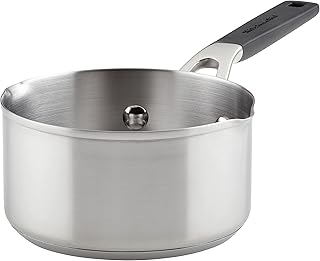
KitchenAid Stainless Steel Induction Sauce Pan with Pour Spouts, 1-Quart…

TecQach Portable Aluminum Storage Jar 3-Pack,Airtight Smell Proof Contai…
Step 4: Prepare a Spray Mixture
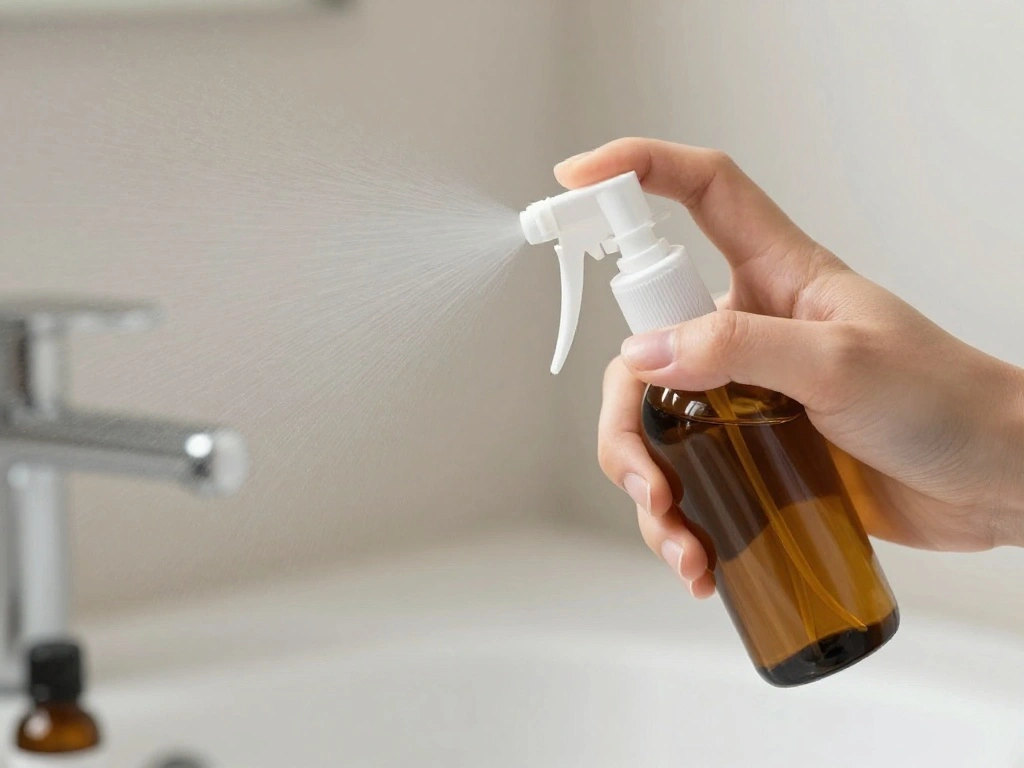
Creating a natural room spray is simple and effective. Follow these steps:
- Take your spray bottle and add 1 cup of water.
- Add 10-15 drops of your chosen essential oil.
- Secure the lid and shake well to combine.
Pro Tip: Adjust the number of drops based on the strength of the scent you prefer.
Why this matters: A spray mixture offers a quick and easy way to freshen up any room at a moment’s notice.
Estimated time: 15 minutes.
Recommended Products

It is dyed with reed diffusion sticks of natural colors

REED DIFFUSER - Housed in a reusable, refillable glass vessel, our Reed Diffuser elevates everyday living and entertaining. It includes eight all-natural rattan reed sticks, delivering continuous fragrance, uninterrupted.

Step 4: Prepare a Spray Mixture
Editor’s Choice

Essential Oils Roll On Set (Pack of 8) 8 Scent, Relaxing, Self Care Gift…

1 Pack Empty Perfume Spray Bottles, 50ML Ribbed Glass Atomizer Spray Bot…
Step 5: Make Scented Candles
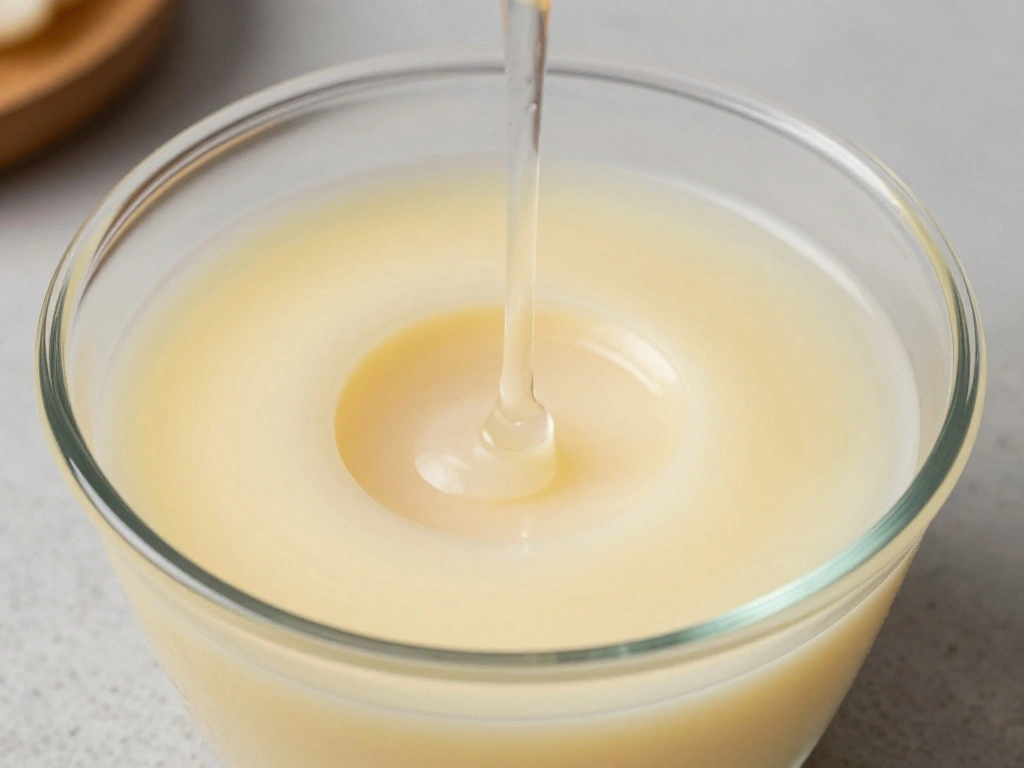
Making your own scented candles is a fun project that adds warmth to your home. Here’s how to do it:
- Gather wax (soy or beeswax), a wick, and a heatproof container.
- Melt the wax in a double boiler.
- Once melted, stir in 10-15 drops of essential oil before pouring it into the container.
- Secure the wick in the center and let the candle cool completely.
Pro Tip: Use a variety of essential oils to customize your candle scents.
Why this matters: Scented candles not only provide fragrance but also create a cozy atmosphere in your home.
Estimated time: 30 minutes.
Recommended Products

All-IN-ONE Complete Premium DIY Candle Making Kit: The candle making supplies are suitable for all levels and contain all you needed to make scented homemade candles: 480g Soy Wax (8 block soy wax, 1 block about 60g=1 jar of candle), 4 * fragrance oils, 1* candle pouring pot with anti-scalding handle, 50 * candle wicks, 50 * candle wick stickers,4 * wax dyes,8*candle tins,4* centering device,1*stirring spoon,4* insulation mats, 16* DIY stickers, 1 * user manual and and exquisite gift box

【Complete DIY Candle Making Kit】- DIY candle making kit contains 8 x 60g soy wax blocks, 4 x fragrance oils, 8 x dyes, 8 x candle jars, 3 x silicone molds, 1 x 550 ml candle melting pot, 4 x wick holders, 80 x wicks, 112 x wick stickers, 1 x stirring spoon, 1 x user manual. Making candles yourself is perfect for beginners, professionals and DIY enthusiasts.

🎁Premium Candle Making Kit:Our candle making supplies is suitable for all levels and contains everything needed to make scented homemade candles: 6 candle essential scents(Lavender essential oil+Rose essential oil+Lemon essential oil+Jasmine essential oil+Freesia essential oil+Bluebells essential oil), 20 candle dyes, 5 bags of Beeswax, 1 thermometer,1 candle melting pot, 1 candle wax melter, 1 stirring spoon,10 wick center devices,10 black candle tins,20 candle wicks,10 stickers
Step 5: Make Scented Candles
Editor’s Choice
HIQILI Women Fragrance Oil 6x10ml, Essential Oils for Candle Scents Soap…

EricX Light 100 Piece Natural Candle Wick, Low Smoke 6″ Pre-Waxed & 100%…
Step 6: Utilize Dried Herbs and Flowers
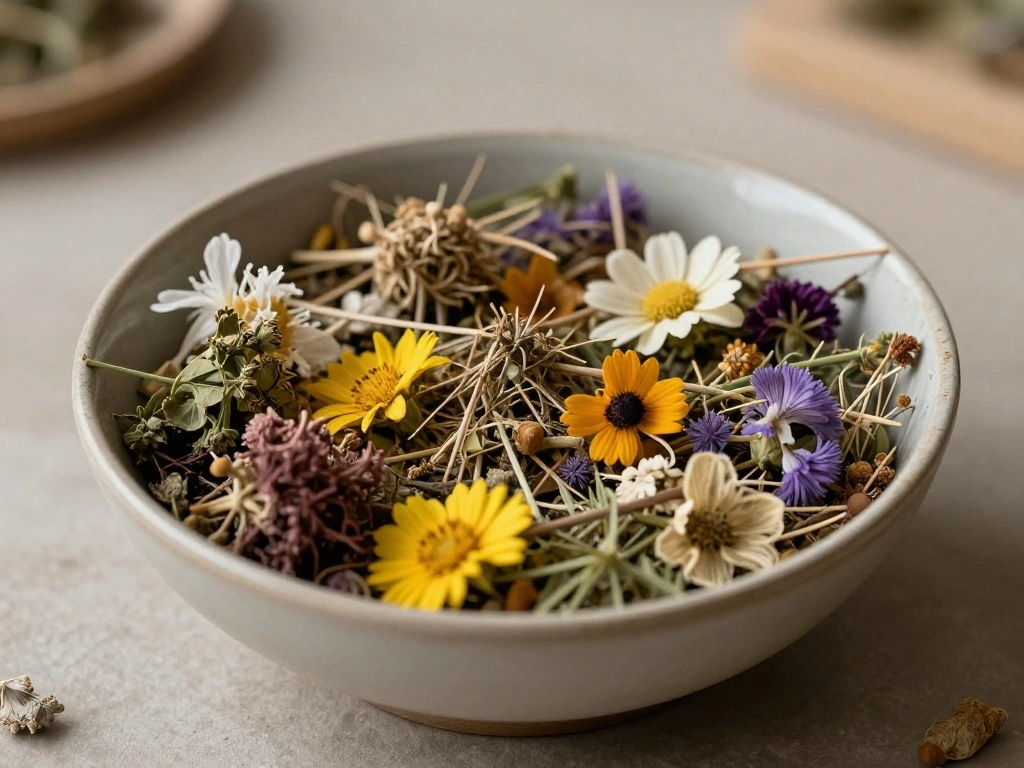
Dried herbs and flowers can serve as natural air fresheners. Here’s how to use them:
- Collect dried herbs (e.g., lavender, chamomile) and flowers (e.g., rose petals).
- Place them in a small bowl or sachet.
- Position the bowl in areas where you want a pleasant scent, such as on shelves or in drawers.
Pro Tip: Refresh the scent by gently shaking the bowl or lightly crushing the herbs.
Why this matters: Dried herbs and flowers naturally release scents over time, providing a continuous fragrance without any energy use.
Estimated time: 15 minutes.
Recommended Products

Large 20 oz bag + Fragrance vial included is Great Value for home fragrance décor
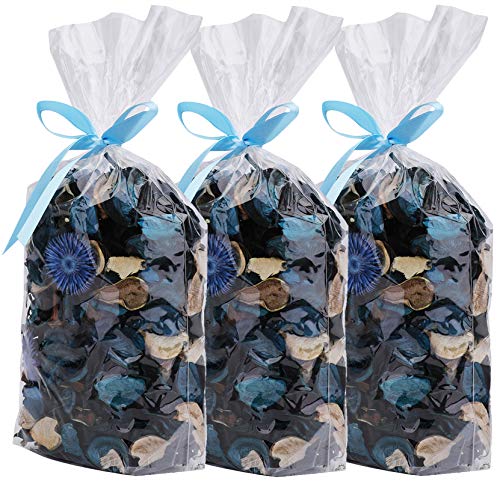
Package include 3 packs potpourri bags. Each bag is about 5 oz (150g) and contain blue petal. Ocean scent, fresh fragrance, not over-powering aroma.

Made of turquoise dried petals, 100% hand-made natural rattan balls, white dried flowers and shells, brings you a refreshing smell of the ocean.
Step 6: Utilize Dried Herbs and Flowers
Editor’s Choice

Leafroot Fibro Herbal Tea for Women Natural Remedy, Womb Cleanse & Resto…

lovenfold Preserved Flowers for Delivery, Purple Rose Bouquets That Last…
Cocorrína Reed Diffuser Set, Clean Linen 6.7 fl oz Scented Diffuser wit…
Step 7: Create Scented Sachets
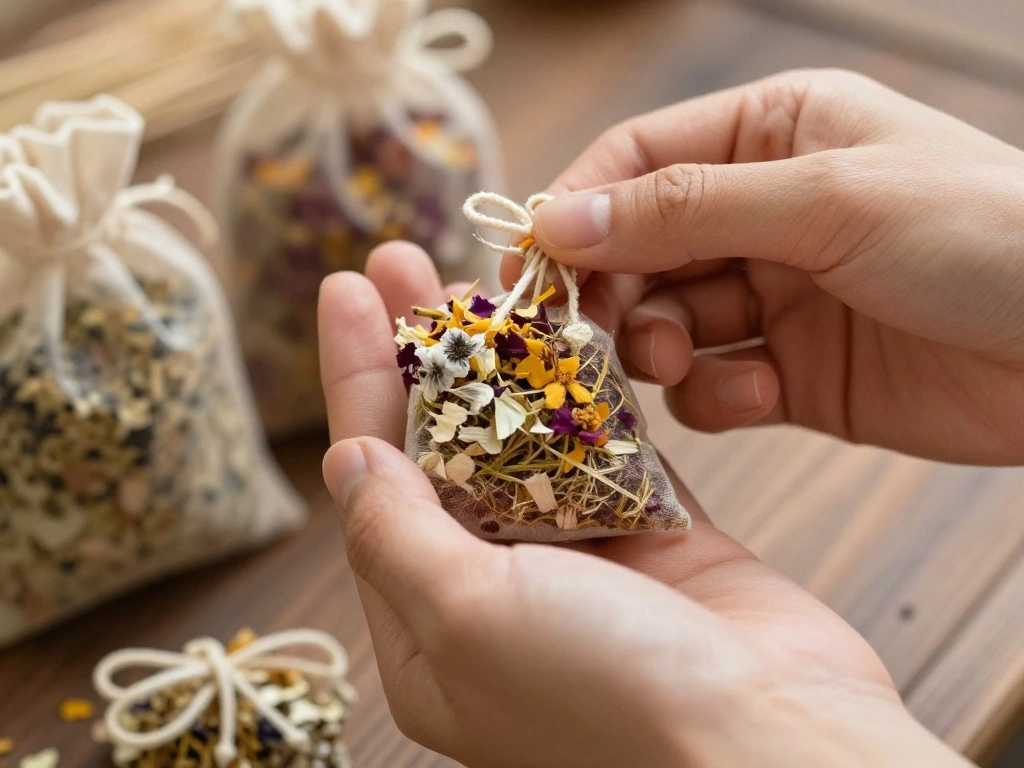
Homemade scented sachets are simple to make and versatile. Here’s how to create them:
- Take small fabric bags or pieces of muslin.
- Fill each bag with dried herbs, flowers, and essential oils.
- Seal the bags tightly and place them in closets, drawers, or under pillows.
Pro Tip: Use a combination of herbs for a unique blend that reflects your personal taste.
Why this matters: Scented sachets offer a discreet way to keep your spaces smelling fresh and inviting.
Estimated time: 20 minutes.
Recommended Products
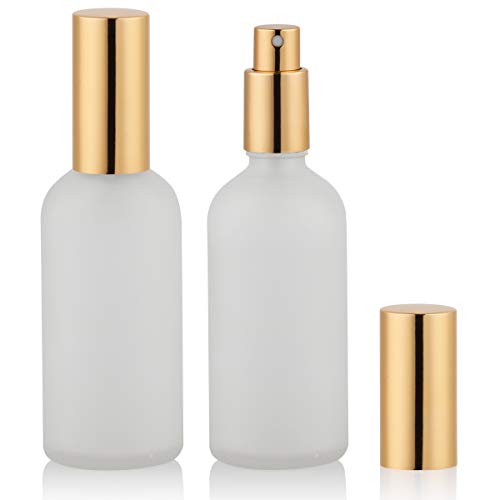
☆ DESIGN FEATURES – continuous fine mist spray, leak proof, classic gold metallic aluminum misters and dust caps, food-grade plastic straw, refillable solid glass bottle, uv protection
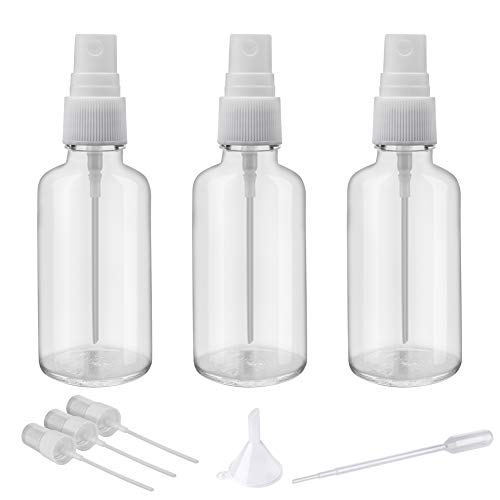
GREAT VALUE : 2oz clear small glass spray bottle with white plastic sprayer 3 pack. Extra included 3 white plastic sprayer, 1 funnel, 1 pipette , 6 labels

Package Included: 2*16 oz amber glass spray bottles with 2 black trigger sprayers and 2 caps, 8(4/2 oz) glass mist bottles with mist sprayers, 16 black chalk labels, 24 white labels, 9*10 ml roller bottles with 1 roll-on bottle opener, 2*1 ml plastic dropper, 2 essential oil plastic funnel.
Step 8: Test and Adjust Your Scents
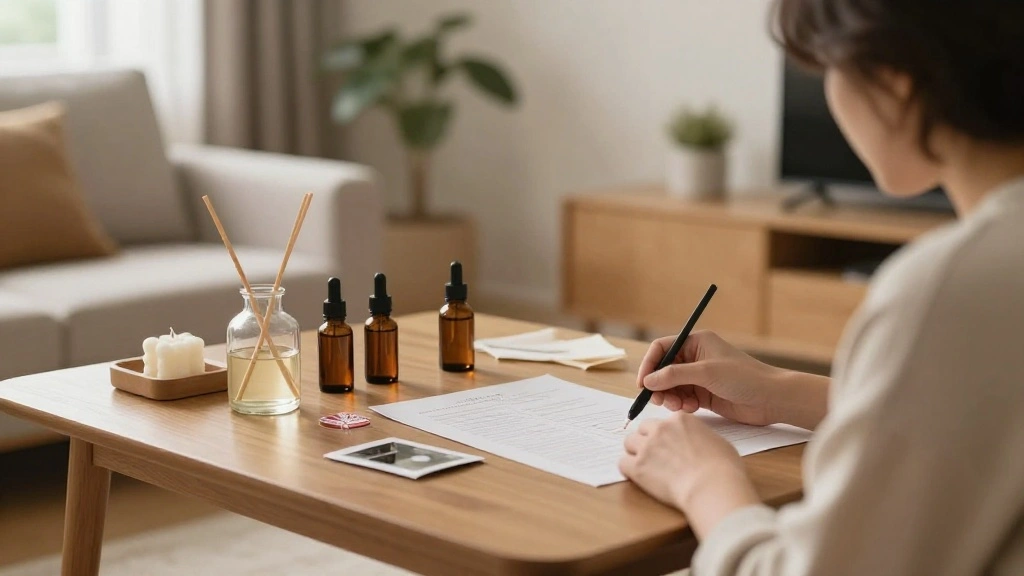
Finally, it’s time to test your natural fragrances and make adjustments as needed:
- Use your spray mixture to freshen a room.
- Light your scented candles and monitor how the scent fills the space.
- Gather feedback from family or friends about the fragrances.
- Adjust the recipes by adding more essential oils or changing the ingredients based on preferences.
Pro Tip: Keep notes on your favorite combinations for future reference.
Why this matters: Testing ensures you find the perfect scent balance for your home, making it a welcoming space.
Estimated time: 30 minutes.
Step 8: Test and Adjust Your Scents
Editor’s Choice
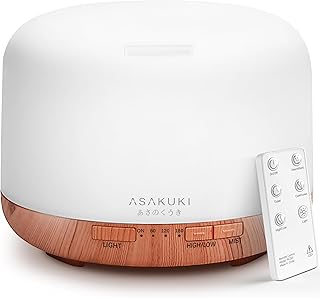
ASAKUKI Essential Oil Diffuser for Home, 500ML Aromatherapy Diffuser Hum…

Essential Oils Set by Pure Aroma – Top 6 Aromatherapy Oils Gift Set-6 Pa…
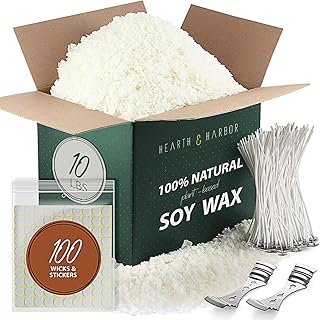
Hearth & Harbor Organic Soy Candle Wax for Candle Making, 10 lbs Natural…
Pro Tips
- Blend Wisely: Combine different essential oils to create unique fragrances that represent different moods.
- Seasonal Scents: Change your fragrances based on the seasons for a fresh feel all year round.
- Personalize Your Space: Use scents that evoke happy memories to enhance your mood and comfort.
- Experiment: Don’t be afraid to try new combinations and recipes to discover what works best for you.
- Storage Matters: Store your essential oils in a cool, dark place to prolong their shelf life.
Pro Tips
Editor’s Choice

ZEROMX Candle Making Kit for Adults Beginners – 161PCS 1200g Wax DIY C…
Essential Oils Roll On Set (Pack of 8) 8 Scent, Relaxing, Self Care Gift…
Essential Oils Diffuser,Aromatherapy Diffuser,Birthday for Women Mom Gra…
Common Mistakes to Avoid
Warning: Avoid using too much essential oil, as it can be overwhelming and irritating. Stick to the recommended drops.
Warning: Don’t forget to test your mixtures before using them throughout your home to avoid unpleasant surprises.
Warning: Avoid using synthetic oils, as they can defeat the purpose of switching to natural fragrances.
Common Mistakes to Avoid
Editor’s Choice
ASAKUKI Essential Oil Diffuser for Home, 500ML Aromatherapy Diffuser Hum…

Amber Glass Dropper Bottle 2 oz – Refillable UV-Resistant Glass Bottle…
Lagunamoon Essential Oils Aromatherapy Set – 6 Oils for Diffusers, Home …
Troubleshooting Section
Problem: The scent is too weak.
Solution: Add more essential oil to your mixture or simmer your potpourri longer.
Problem: The fragrance is too strong.
Solution: Dilute your mixture with more water or reduce the amount of essential oil used.
Problem: My candles aren’t smelling good.
Solution: Ensure you’re using high-quality essential oils and the correct wax type.
Troubleshooting Section
Editor’s Choice
Essential Oils Roll On Set (Pack of 8) 8 Scent, Relaxing, Self Care Gift…
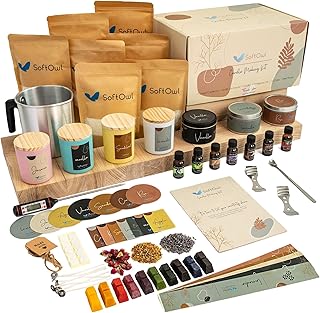
SoftOwl Premium Soy Candle Making Kit – Full Set – Soy Wax, Big 7oz Jars…

Fresh Start Simmering Potpourri – Energizing Aromatherapy with Lemon, …
Variations/Alternative Methods
Alternative Method 1: Use a diffuser with essential oils for a consistent fragrance throughout your home.
Alternative Method 2: Make a natural incense with herbs and spices for a unique aromatic experience.
Alternative Method 3: Try using beeswax wraps infused with essential oils to scent smaller areas.
Variations/Alternative Methods
Editor’s Choice

Reusable Beeswax Wrap – 9 Pack Beeswax Wraps for Food, Eco-Friendly Bees…
Essential Oils Diffuser,Aromatherapy Diffuser,Birthday for Women Mom Gra…

Incense Care Instruction Cards | 50pk 2×3.5” Client Minimalist How to …
FAQs
What if I don’t have essential oils?
You can use dried herbs and fruit peels for natural scents instead.
How long should I let my potpourri simmer?
Simmer for about 30 minutes, but feel free to adjust based on your scent preference.
Is it safe to use essential oils around pets?
Some essential oils can be harmful to pets, so research safe options beforehand.
FAQs
Editor’s Choice

Scented Candles Set for Women Gifts, Soy Wax Candle 10 Pack, Long Lastin…

Potpourri Simmer Pot Set, Sweat Dream Intention Simmer Pot Blend of Rose…
Essential Oils Diffuser,Aromatherapy Diffuser,Birthday for Women Mom Gra…
Conclusion
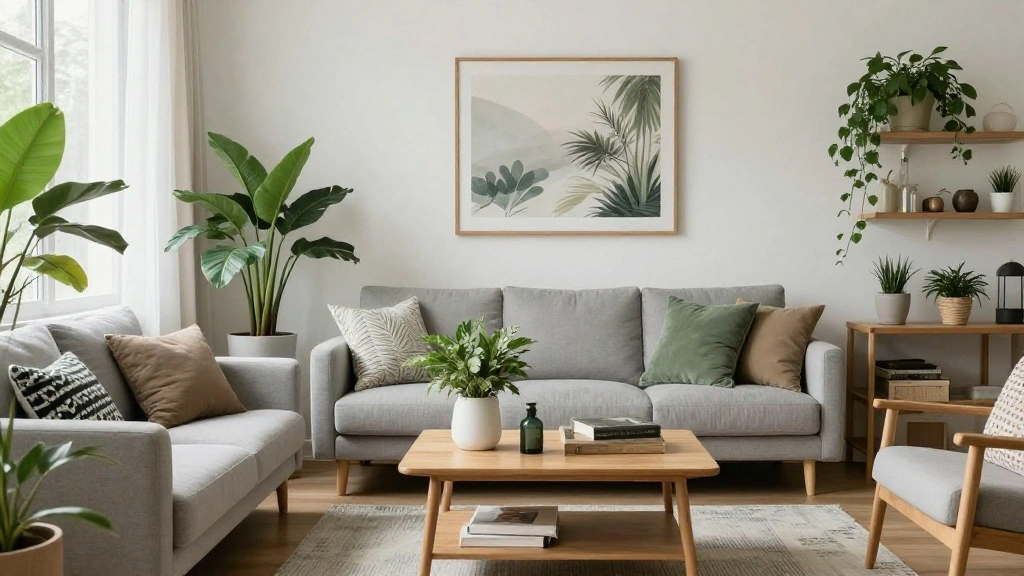
Congratulations! You’ve successfully learned how to switch to natural home fragrance on a budget. By creating your own scents, you not only enhance your living space but also contribute to a healthier environment. As you continue to explore different combinations and techniques, remember to share your creations with friends and family.
Next, consider exploring other DIY projects or natural products for your home. Your journey towards a more natural lifestyle has just begun, and every small step counts. Enjoy your fragrant home!