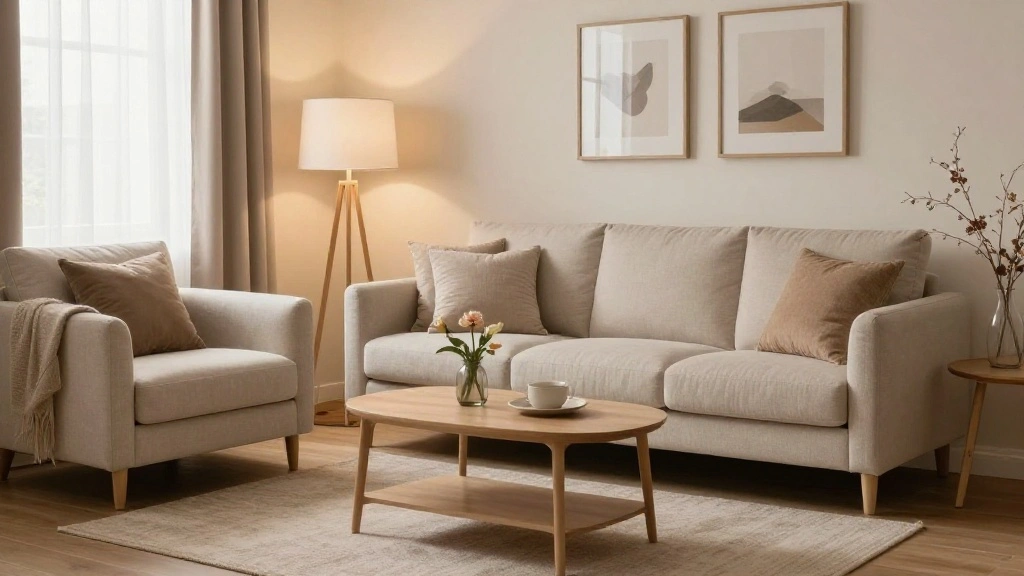
In our fast-paced world, the need for a relaxing atmosphere at home is more crucial than ever. Stress can build up from daily responsibilities, leaving you feeling overwhelmed. Without a calm space to unwind, it can be challenging to recharge and find peace. This guide will help you transform your home into a sanctuary where you can escape the chaos.
By following these steps, you’ll create an inviting environment that promotes relaxation and comfort. Imagine coming home to a soothing space filled with soft lighting, calming scents, and peaceful sounds. You will learn how to choose the right colors, scents, and sounds to enhance your space.
This guide is designed for those with beginner skills and will take approximately 2-3 hours to complete. You’ll learn practical techniques to create your own relaxing atmosphere in just a few easy-to-follow steps. Let’s get started!
TL;DR Summary
- Identify and declutter your space for a fresh start.
- Choose a calming color palette that soothes the mind.
- Incorporate soft lighting and natural elements.
- Use scents and sounds to enhance relaxation.
TL;DR Summary
Editor’s Choice
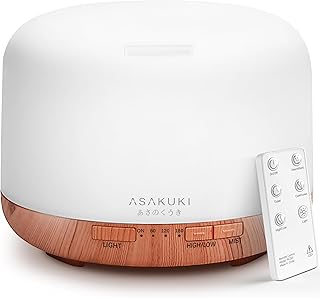
ASAKUKI Essential Oil Diffuser for Home, 500ML Aromatherapy Diffuser Hum…


MIULEE Boho Farmhouse Throw Pillow Covers 18×18 Inch Set of 4 Summer Mod…

【Upgraded】 Dimmable Floor Lamp, 1000 Lumens LED Edison Bulb Included…
Prerequisites/Materials Needed
- Decluttering supplies: trash bags, boxes for donations
- Paint samples (if repainting)
- Soft lighting: lamps or fairy lights
- Comfortable textiles: cushions, throws, and rugs
- Essential oils or scented candles
- Plants or natural decor items
- Calming music playlist or sound machine
Prerequisites/Materials Needed
Editor’s Choice

luckystyle Dimmable Floor Standing Tall Lamp, 12W Led Bulb with Lampshad…

Bedsure GentleSoft White Throw Blanket for Couch – Birthday Gifts for Wo…
ASAKUKI Essential Oil Diffuser for Home, 500ML Aromatherapy Diffuser Hum…
Skill Level & Time Estimate
Skill Level: beginner
Total Time Estimate: 2-3 hours
Breakdown of time:
- Decluttering: 30-60 minutes
- Choosing colors and materials: 30 minutes
- Setting up lighting and decor: 1-2 hours
Skill Level & Time Estimate
Editor’s Choice
![Touch Bedside Table LED Lamp, [Sleek Design & RGB Mode] Multi-Color Dimm...](https://m.media-amazon.com/images/I/51F1eWcmohL._AC_UL320_.jpg)
Touch Bedside Table LED Lamp, [Sleek Design & RGB Mode] Multi-Color Dimm…
ASAKUKI Essential Oil Diffuser for Home, 500ML Aromatherapy Diffuser Hum…

Square Pillow Inserts (Pack of 2, 16″x16″, White, Polyester) – Indoor De…
Step 1: Declutter Your Space
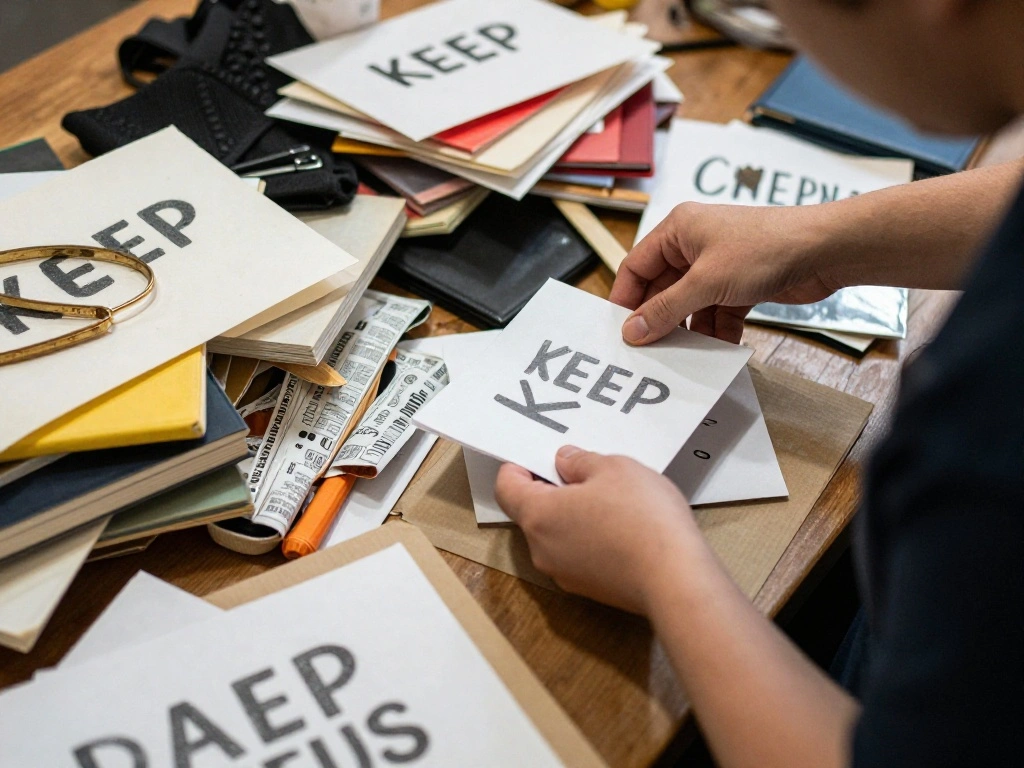
Start by clearing out any clutter that hinders relaxation. A clean space promotes a calm mind. Follow these steps:
- Go room by room and gather items that don’t belong.
- Sort items into three categories: keep, donate, and discard.
- Use trash bags for garbage and boxes for donations.
Warning: Avoid keeping items that create negative energy. Pro Tip: Set a timer for 15 minutes to stay focused and motivated.
This step typically takes 30-60 minutes.
Step 1: Declutter Your Space
Editor’s Choice

VOISEN Acrylic Donation Box with Lock, Black Tip Jar with Sign Holder, S…

Small Trash Bags 4-6 Gallon, Inwaysin 200 Count Biodegradable Trash Bags…

YIHONG 6 Pack Clear Pantry Organizer Bins, Plastic Containers with Handl…
Step 2: Choose a Calming Color Palette
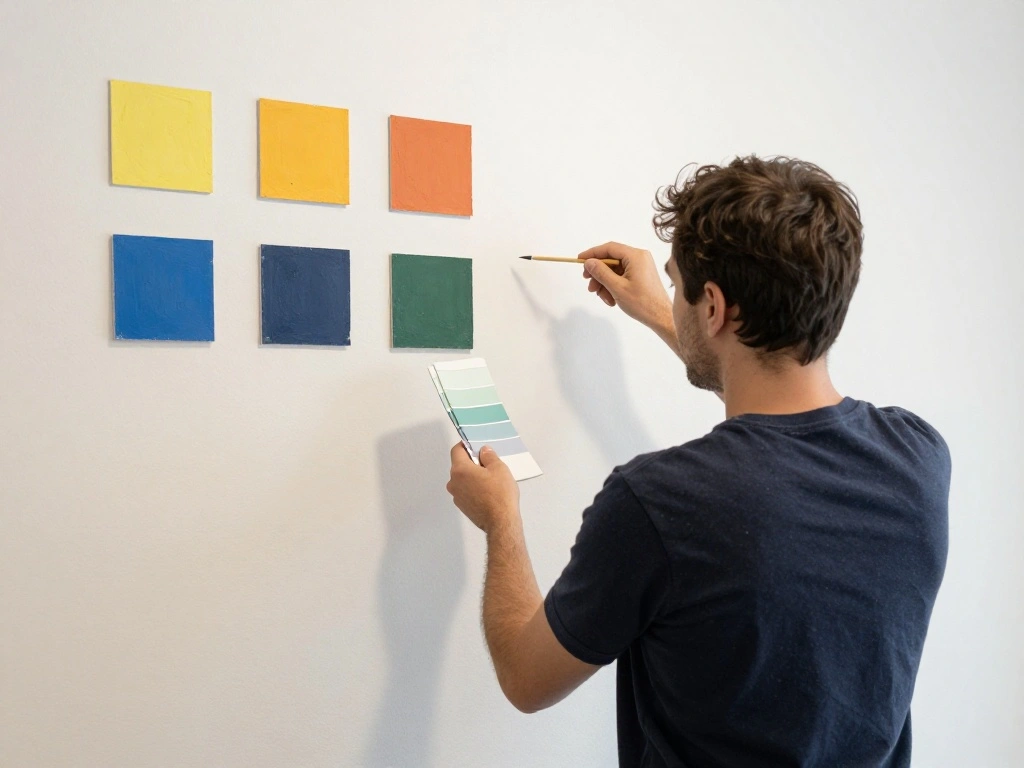
Selecting the right colors can significantly affect your mood. To create a relaxing atmosphere, follow these steps:
- Look at color samples and choose soft hues like blues, greens, or neutral tones.
- Consider painting or adding accessories in these colors.
- Test how the colors look in different lighting.
Warning: Avoid overly bright or harsh colors that may cause anxiety. Pro Tip: Use paint samples on walls to see how they look at different times of day.
This step usually takes about 30 minutes.
Step 2: Choose a Calming Color Palette
Editor’s Choice

Magicfly 15 Pcs Chalk Furniture Paint Set, 9 Colors Ultra Matte Finish A…
iYogaled RGB Landscape Lighting, Smart Low Voltage Landscape Lighting Ki…
Step 3: Incorporate Soft Lighting
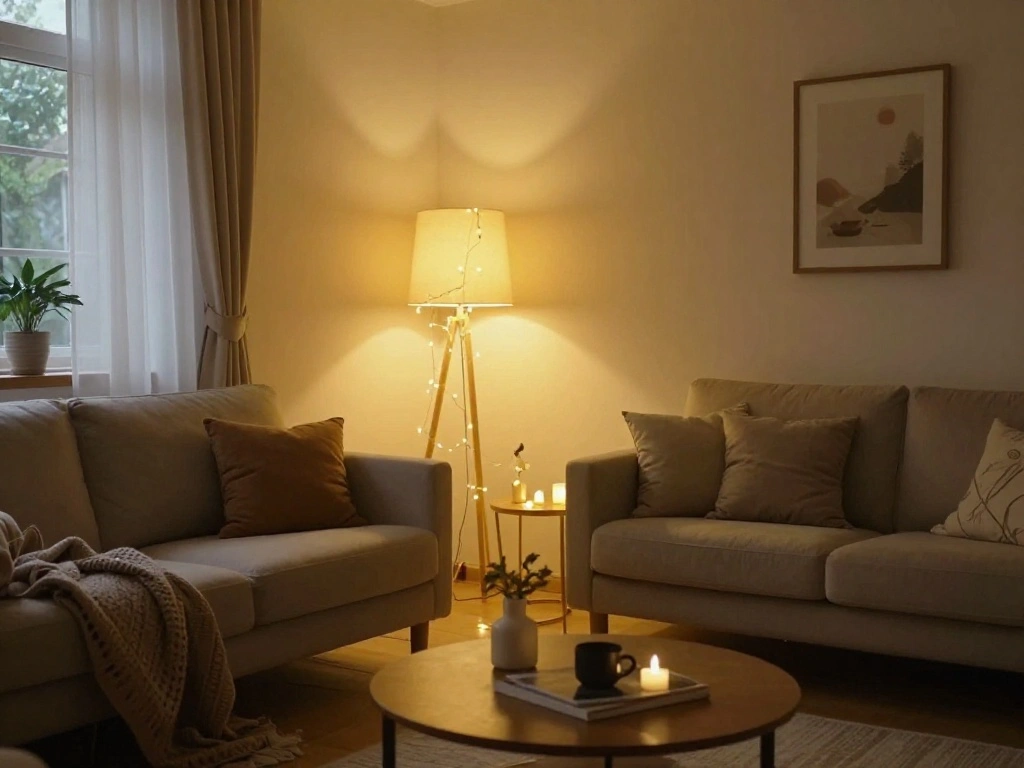
Lighting plays a crucial role in creating a calming atmosphere. Follow these steps to enhance your lighting:
- Replace harsh overhead lights with soft lamps or fairy lights.
- Use dimmable bulbs to adjust brightness according to the time of day.
- Consider adding candles for a cozy feel.
Warning: Avoid overly bright lighting that can create tension. Pro Tip: Layer different light sources for a more inviting feel.
This step should take 30-45 minutes.
Step 3: Incorporate Soft Lighting
Editor’s Choice

Scented Candles Set | Men Candle Set, Scented Candles for Home, Gifts fo…

Brightown 12 Pack LED Fairy Lights Battery Operated String Lights – 7ft …
Step 4: Add Comfortable Textiles
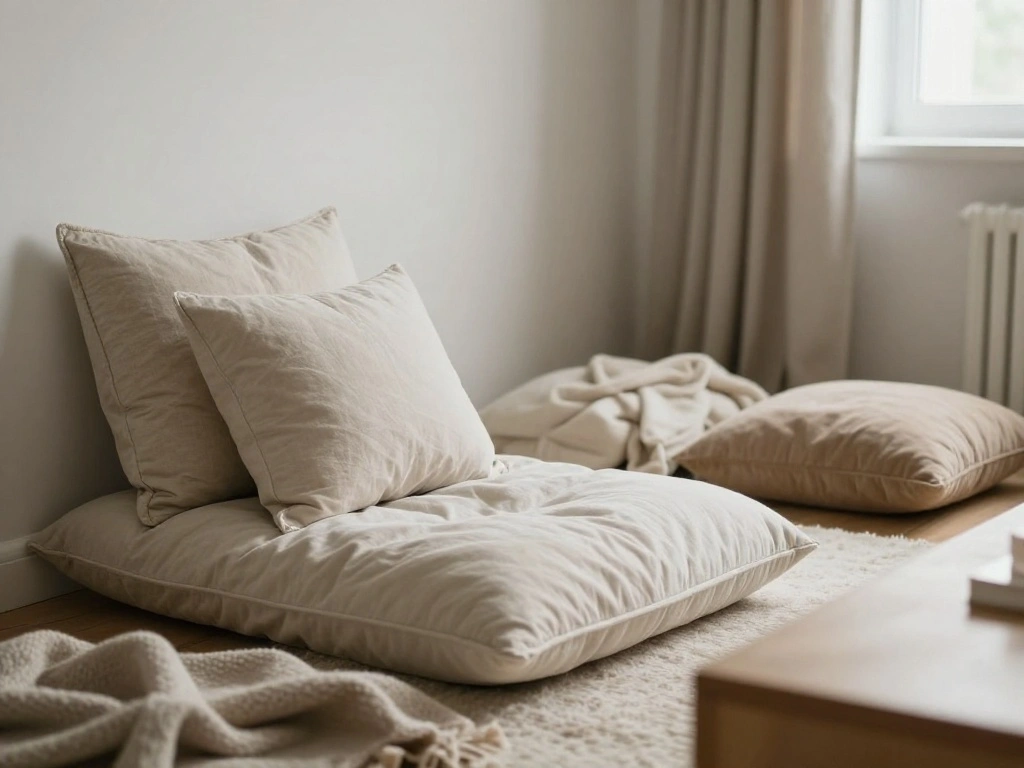
Soft textiles can enhance comfort and relaxation. Follow these steps to incorporate them:
- Add soft cushions and throws to your sofa or chairs.
- Consider a plush area rug to warm up the floor.
- Use curtains to soften window light and add texture.
Warning: Avoid overly stiff or uncomfortable fabrics. Pro Tip: Mix different textures for a cozy, inviting look.
This step typically takes 30-60 minutes.
Step 4: Add Comfortable Textiles
Editor’s Choice

MIULEE Natural White Linen Curtains 84 Inch Long for Bedroom Living Room…

MIULEE Pack of 2 Corduroy Decorative Throw Pillow Covers 18×18 Inch Soft…

8×10 Area Rugs for Living Room Bedroom: Black Grey Soft Fluffy Shag Upgr…
Step 5: Use Calming Scents
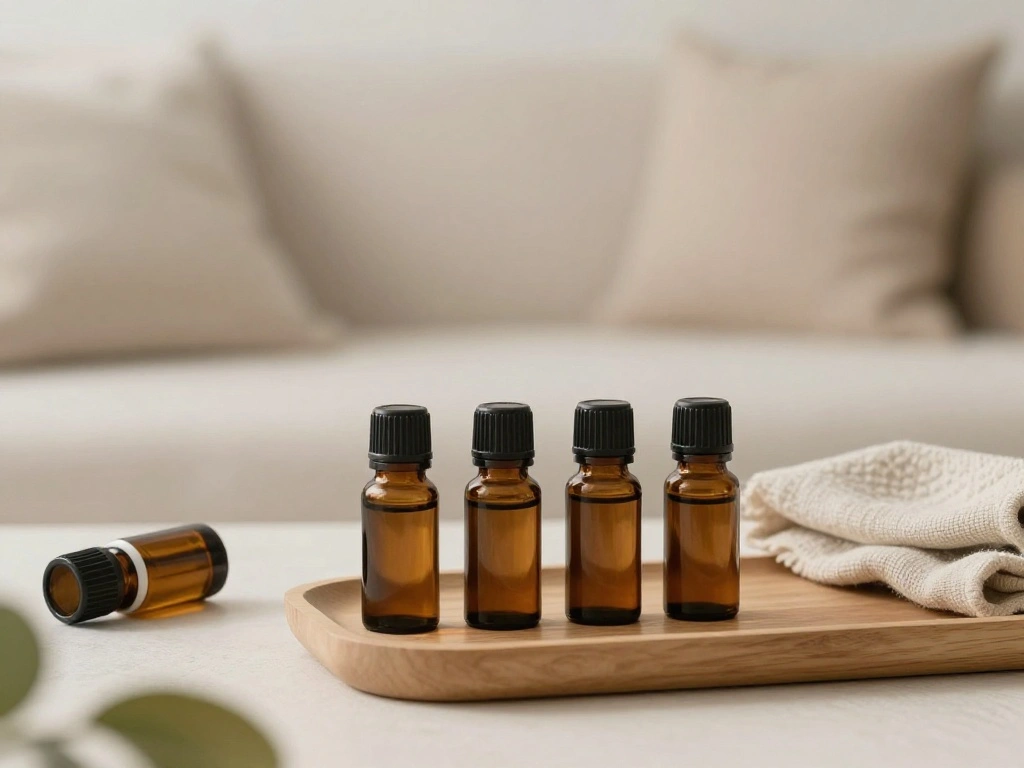
Scents can have a powerful effect on mood. Follow these steps to incorporate calming aromas:
- Choose essential oils like lavender or chamomile.
- Use diffusers or scented candles to disperse the scents.
- Experiment with incense or potpourri for variety.
Warning: Avoid strong scents that may cause headaches. Pro Tip: Combine scents to create a unique atmosphere that resonates with you.
Step 5: Use Calming Scents
Editor’s Choice

Swiss Arabian Oud Al Arais – Perfume for Women – Notes of Apricot, Lemon…

WarmEmbrace Lavender Scented Candles for Women, 7.5 oz Highly -Scented S…

Essential Oil Diffuser for Women, 500ml Aromatherapy Diffuser:14-Color L…
Step 6: Incorporate Natural Elements
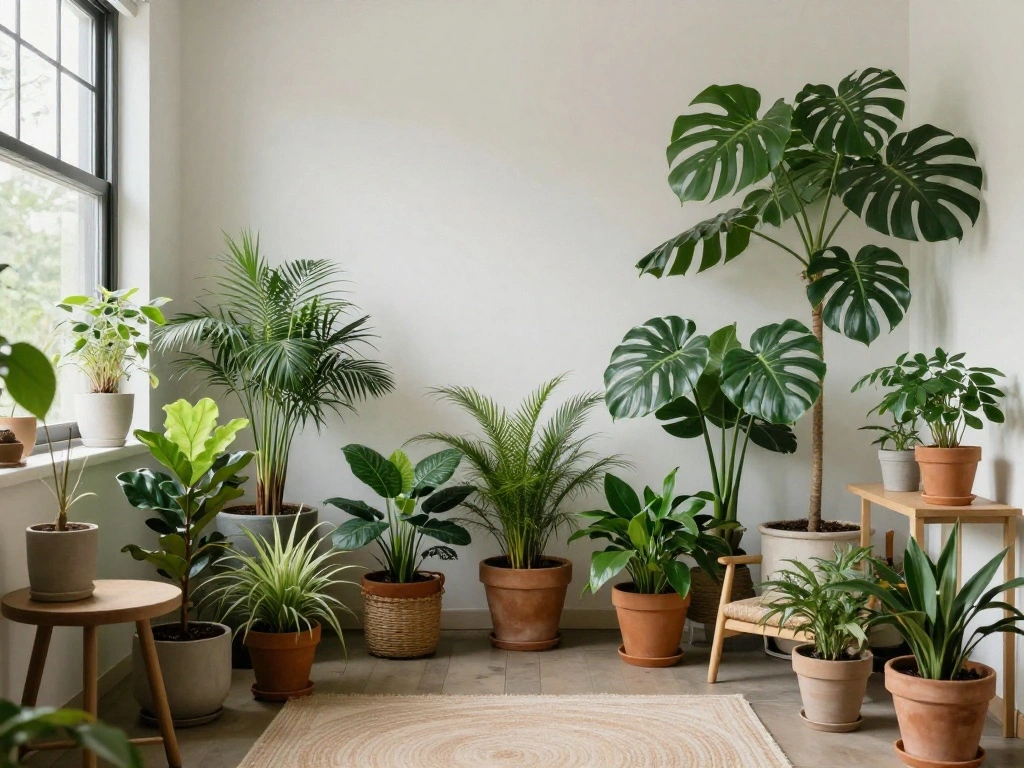
Bringing the outdoors inside can enhance relaxation. Follow these steps to add natural elements:
- Choose houseplants that are easy to care for, like succulents or snake plants.
- Add natural materials like wood, stone, or wicker in your decor.
- Display nature-inspired art or photographs.
Warning: Ensure plants are suitable for your home’s light conditions. Pro Tip: Arrange plants at varying heights for visual interest.
This step typically takes 30-45 minutes.
Step 6: Incorporate Natural Elements
Editor’s Choice

Coitak Artificial Succulent Plants Potted, Assorted Decorative Faux Succ…

Altman Plants Live Snake Plant (Superba), Approx. 13″ Tall, Virtually In…

NIRMAN Acacia Wood Bird Statues Set Home Décor Bird Sculpture for Livin…
Step 7: Create a Sound Environment
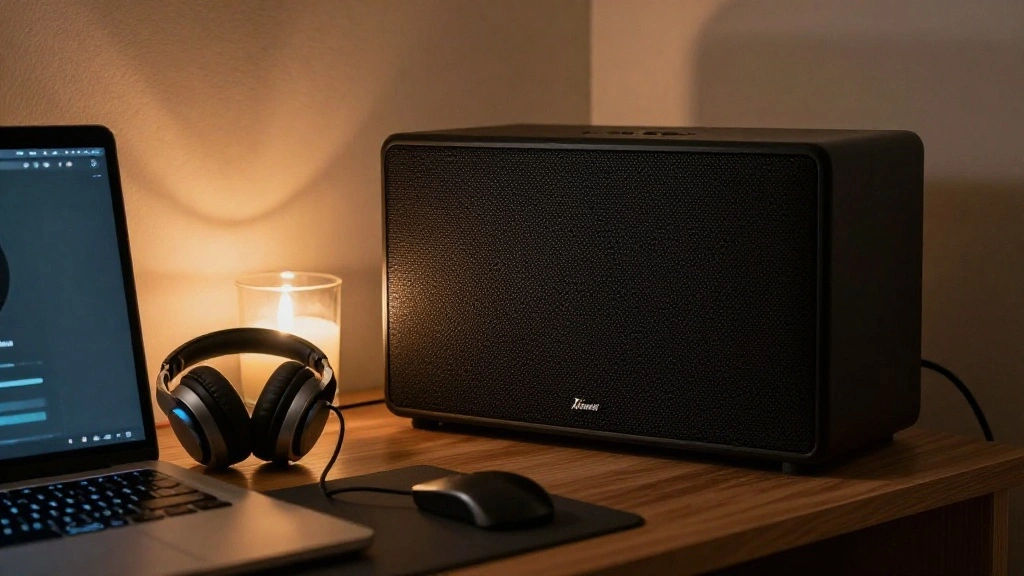
Sounds can greatly influence your atmosphere. Follow these steps to set the right auditory backdrop:
- Create a calming music playlist or use a sound machine.
- Incorporate nature sounds like flowing water or birds chirping.
- Avoid loud or jarring noises in your relaxation space.
Warning: Be mindful of background noise that can disrupt relaxation. Pro Tip: Use a speaker system that allows for soft sound dispersion throughout your space.
This step should take 15-30 minutes.
Step 7: Create a Sound Environment
Editor’s Choice


Brown Noise Sound Machine with 30 Soothing Sounds 12 Colors Night Light …

Portable Bluetooth Speaker Beach Essentials: Powerful Crystal Clear Soun…
Pro Tips
- Layering Textures: Mix fabrics like cotton, wool, and faux fur for a cozy feel.
- Personal Touch: Include items that hold sentimental value to enhance comfort.
- Lighting Styles: Use a mix of ambient, task, and accent lighting for depth.
- Consistent Theme: Stick to a theme for decor to create harmony.
- Regular Maintenance: Keep your space tidy and fresh for continued relaxation.
Pro Tips
Editor’s Choice

Bedsure Soft Fluffy Faux Fur Throw Blanket for Couch Sofa Chair, Fuzzy F…

Govee RGBIC Floor Lamp Basic, 1000lm LED Corner Lamp Compatible with Sma…
Common Mistakes to Avoid
Warning: Avoid cluttering your space with too many items, which can create chaos instead of calm. Warning: Don’t ignore the power of scents; unpleasant odors can disrupt relaxation. Warning: Avoid overly bright lighting that can cause stress and anxiety. Warning: Don’t forget to personalize your space; it should reflect your tastes and preferences. Warning: Avoid neglecting maintenance; a clean space is essential for a relaxing atmosphere.
Common Mistakes to Avoid
Editor’s Choice

HUUSMOT 6-Pack Small Pastel Plastic Storage Baskets, Collapsible Crates …

OIYN Smart RGBICW LED Corner Floor Lamp – 16 Million DIY Colors, 68+ Sce…
ASAKUKI Essential Oil Diffuser for Home, 500ML Aromatherapy Diffuser Hum…
Troubleshooting Section
Problem: The space still feels cluttered.
Solution: Reassess your decluttering efforts; spend more time on each room.
Problem: The colors feel too dark.
Solution: Add lighter accents or choose a brighter shade for walls.
Problem: Scents are too strong.
Solution: Dilute or switch to milder scents.
Problem: Lighting feels harsh.
Solution: Add dimmers or replace bulbs with softer options.
Problem: Sound distractions are overwhelming.
Solution: Use white noise or calming music to mask disruptive sounds.
Troubleshooting Section
Editor’s Choice
ASAKUKI Essential Oil Diffuser for Home, 500ML Aromatherapy Diffuser Hum…

Berlune 6 Pcs Bright Velvet Throw Pillow Covers 18″ x 18″ Rainbow Decora…

IRIS USA 4-Pack Storage Bins with Lids, 13 Quart, Made in USA Stackable …
Variations/Alternative Methods
Consider these alternatives for creating a relaxing atmosphere:
- Minimalist Approach: Focus on fewer, high-quality pieces for a serene space. Pros: Less clutter; Cons: May require more investment.
- Bohemian Style: Use eclectic decor and colors for a vibrant, cozy environment. Pros: Personalized feel; Cons: Can become visually overwhelming.
- Zen Style: Incorporate Japanese-inspired elements like rock gardens and water features. Pros: Creates tranquility; Cons: Requires maintenance.
Variations/Alternative Methods
Editor’s Choice

Retrospec Sedona Zafu Meditation Cushion with Buckwheat Hull Fill – Adju…
ASAKUKI Essential Oil Diffuser for Home, 500ML Aromatherapy Diffuser Hum…

Homedics Tabletop Water Fountain, Home Décor Soothing Sound Machine – A…
FAQs
- What if I don’t have enough natural light? Use mirrors to reflect light and brighten your space.
- How long should I keep the scents going? Refresh scents every few days or as needed.
- Is it safe to use candles? Yes, just ensure they’re placed safely away from flammable objects.
- Can I use essential oils if I have pets? Some essential oils can be harmful to pets; research before use.
- What if I don’t have time to repaint? Use removable wallpaper or fabric to add color without commitment.
FAQs
Editor’s Choice

Kelly Miller Gold Traditional Mirror for Wall, Art Decorative Beveled Fu…
ASAKUKI Essential Oil Diffuser for Home, 500ML Aromatherapy Diffuser Hum…
Conclusion
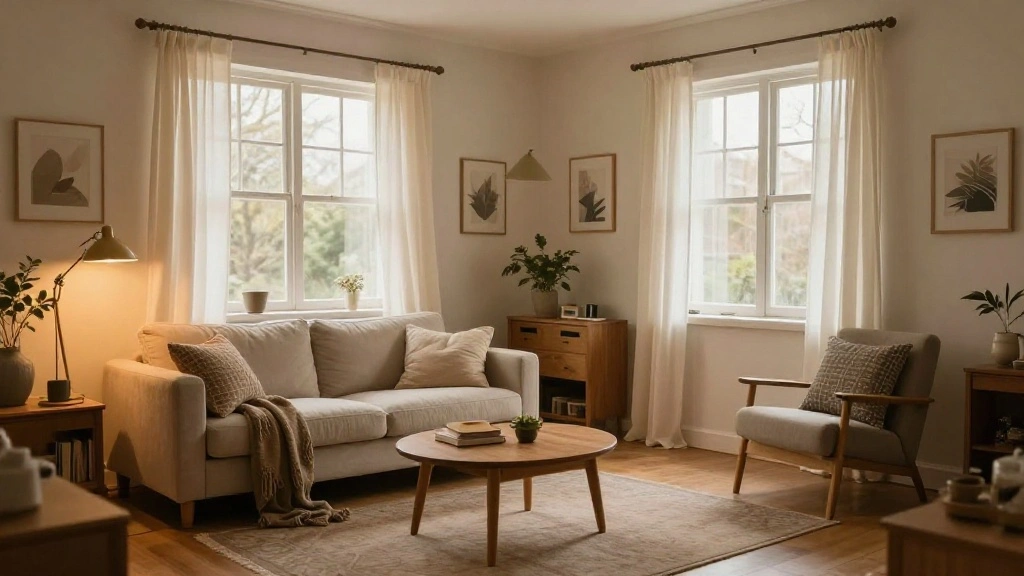
Congratulations! You’ve taken the necessary steps to create a relaxing atmosphere at home. By implementing these strategies, your space should now feel inviting and tranquil. Keep experimenting with your decor and ambiance; personalization is key to maintaining a soothing environment.
Now that you’ve established your relaxing space, consider exploring mindfulness practices or meditation to enhance your experience further. Remember, your home should be a sanctuary where you can recharge and find peace.