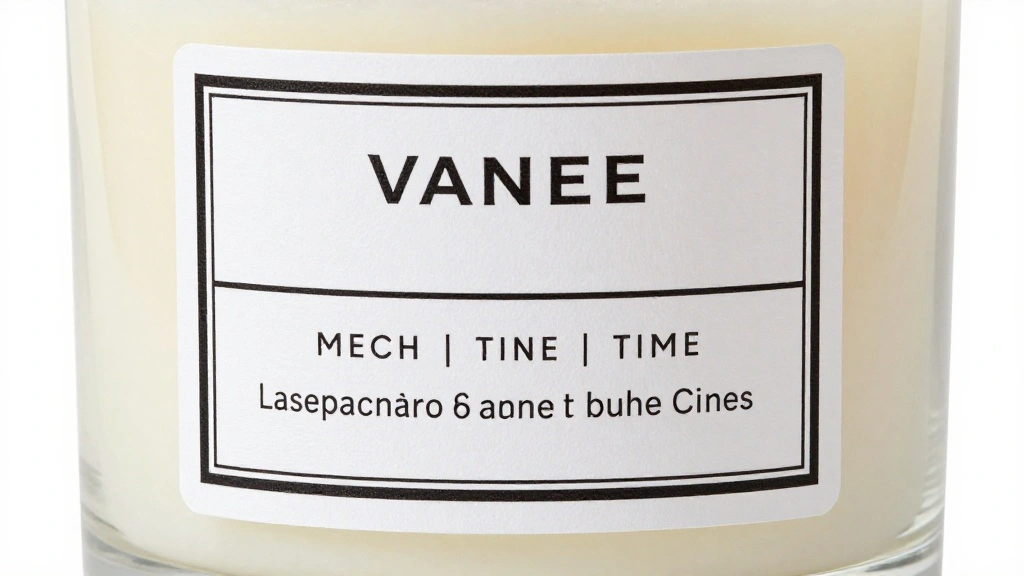
Have you ever purchased a candle only to be disappointed by its performance? Understanding candle labels is essential to ensure you get the best quality and experience from your candles. Without this knowledge, you might end up with a candle that burns poorly, emits harmful chemicals, or simply doesn’t last as long as expected.
In this guide, you will learn how to effectively read and interpret candle labels, focusing on key components such as wax type, wick information, and burn time. By the end of this article, you’ll be able to make informed decisions when buying candles, ensuring you get the right products for your needs.
This guide is designed for beginners and should take approximately 30 minutes to read and implement the steps. Get ready to enhance your candle shopping experience!
TL;DR Summary
- Learn how to interpret candle labels for better purchases.
- Understand the significance of wax types and wick materials.
- Know how to determine burn time and safety features.
- Quickly identify quality factors in candles.
Recommended Products

【High Quality Metal Candle Tins】The candle tins with lids is made of drop and impact resistant high strength metal can body, with natural wood grain sealing lid, the moisture resistance performance is increased by 40%, effectively resisting bumps and dents and items moisture problems. Adopt high temperature resistant lacquer process, making aromatherapy candles are not easy to deform, safe and durable.

EXQUISITE CRAFTSMANSHIP: Meticulously crafted, this 8 oz candle holder is fashioned from premium ceramic and filled with 100% soy wax for a clean, consistent burn. Emitting a serene tranquility scent, it arrives securely packaged in a stunningly adorned box, ideal for gifting or secure transport.
TL;DR Summary
Editor’s Choice
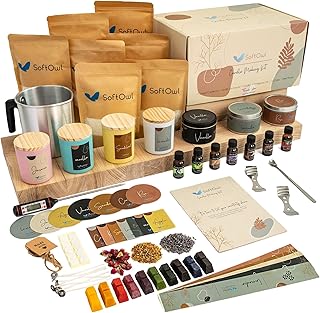
SoftOwl Premium Soy Candle Making Kit – Full Set – Soy Wax, Big 7oz Jars…


CHEFBEE Candle Wick Trimmer, Black Polished Stainless Steel Wick Clipper…
Prerequisites/Materials Needed
- Access to a variety of candle labels
- Notebook or note-taking app
- Highlighter or pen for marking important details
Recommended Products
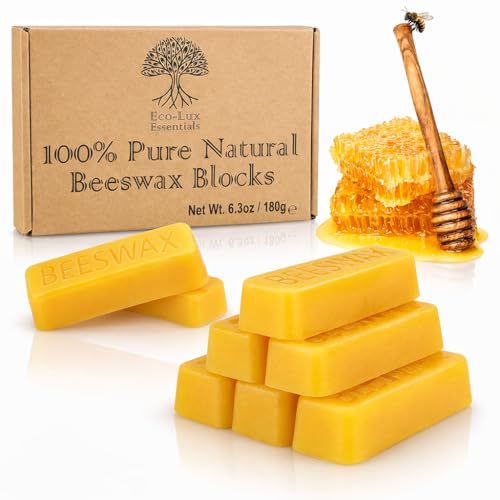
100% PURE & NATURAL: Made from 100% pure natural organic beeswax, this product is free of any harmful chemicals, fragrances, or additives, making it safe for you and the environment.

【DIY candles】:In spare time beeswax pellets can be made into candles, wood furniture coating,etc., and it is easy to DIY at home.

Lasting & Effortless to Use: A affordable and high-quality beeswax bulk choice for a lifetime of projects. Natural beeswax never spoils and can be melted and reused indefinitely. This beeswax bar do not contain paraffin, palm wax, soy wax or any other unhealthy additives. Store in a cool, dry place, avoid heat. This beez wax bar melts at approximately 144°F to 167°F
Prerequisites/Materials Needed
Editor’s Choice

Sharpie Clear View Stick Highlighters, See-Through Chisel Tip, Assorted …
Skill Level & Time Estimate
Skill Level: beginner
Total time estimate: 30 minutes
Recommended Products
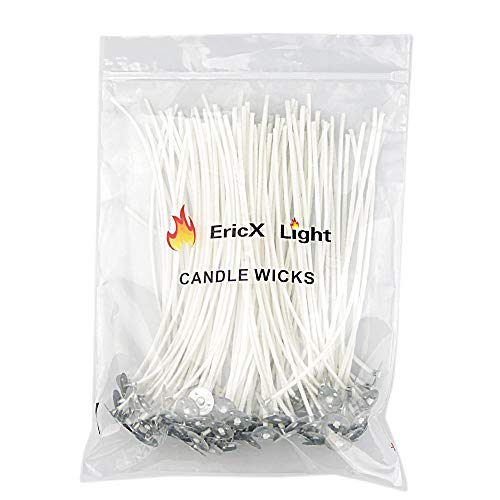

Suggested use in approx. 2.4" - 2.8" ( 6cm - 7cm ) diameter containers.
Suggested use in approx. 2.4" - 2.8" ( 6cm - 7cm ) diameter containers.
Skill Level & Time Estimate
Editor’s Choice

calary Candle Wick Trimmer, Candle Snuffer and Wick Dipper & Candle Acce…

2000PCS Candle Warning Labels: 1 Inch Candle Wick Stickers Candles Jars …

SAEUYVB Candle Making Kit – DIY Starter Soy Candle Making Supplies/Kit -…
Step 1: Identify the Wax Type
The wax type significantly affects the quality and burn of a candle. Start by looking at the label for information about the wax. Common types include:
- Paraffin: The most common and least expensive, but can release harmful chemicals.
- Soy: A natural alternative, burns cleaner and lasts longer.
- Beeswax: A premium option that purifies the air as it burns.
Pro Tip: Choose natural waxes for a healthier option.
Why this matters: Knowing the wax type helps you choose a safer and better-performing candle.
Time estimate: 5 minutes.
Step 1: Identify the Wax Type
Editor’s Choice

SAEUYVB Candle Making Kit with Wax Melter, Candle Wax for Candle Making …

12 Colors Beeswax Sheets for Rolling Candle 8″ X 8″ Beeswax Sheets for C…
Step 2: Check the Wick Material
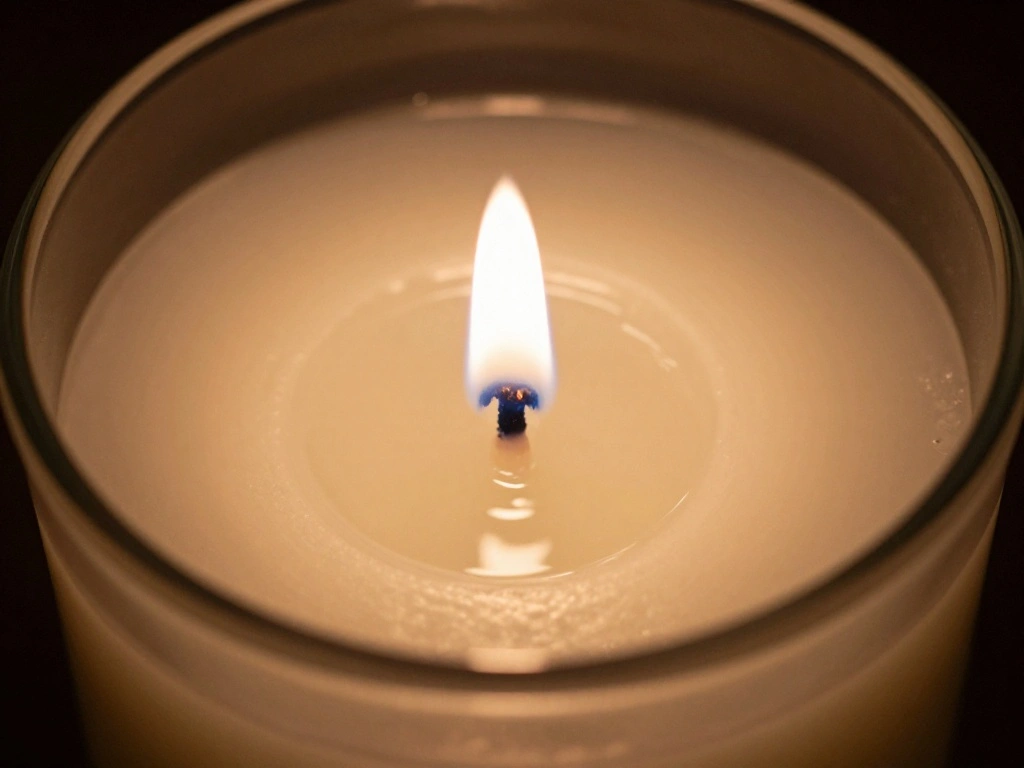
Next, locate the wick information. Wicks can be made from cotton, wood, or synthetic materials. Each has different burning characteristics:
- Cotton: Commonly used, burns consistently.
- Wood: Creates a cozy crackling sound and can enhance ambiance.
- Synthetic: Often used in lower-quality candles, may not burn as cleanly.
Warning: Avoid candles with multiple wicks that aren’t made of natural materials, as they may burn unevenly.
Why this matters: The wick type can impact how well the candle burns and its overall safety.
Time estimate: 5 minutes.
Recommended Products
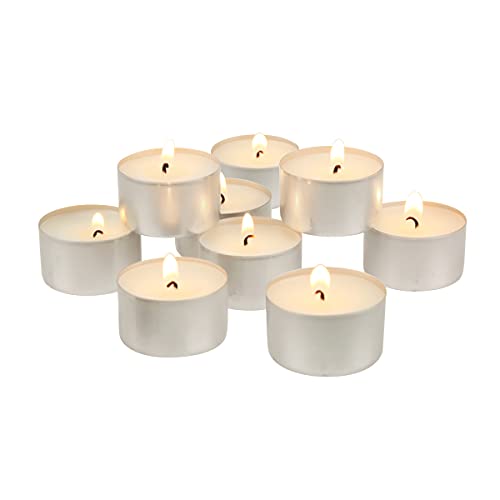
TRANQUILITY: Immerse yourself in the tranquil atmosphere created by Stonebriar's 50 pack unscented long burning white tea light candles. Each tea candle is neatly shrink-wrapped and packaged in protective storage boxes, ensuring they arrive in perfect condition, ready to infuse your home with serenity.

50 unscented long burning white tealight candles come neatly and tightly shrink-wrapped and packaged in protective storage boxes

Fragrance Profile: Juicy tropical fruits, ripened peach, delicious pear, combined with Rose, Violet, Waterlily, Cyclamen, featured in base notes of Sandalwood, Green Foliage, and Rosewood
Step 2: Check the Wick Material
Editor’s Choice

CICADA Desert Rain Scented Candle, Memory No. 1885, University of Arizon…

Complete Candle Making Kits for Adults Beginners, DIY Candle Making Supp…
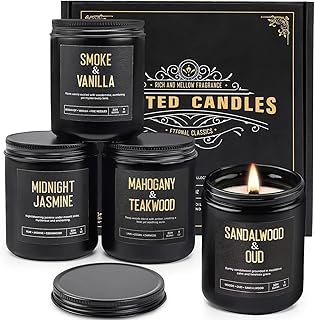
Wood Wick Scented Candles 4 Pack Candles for Home Scented 200 Hour Burn …
Step 3: Understand Burn Time
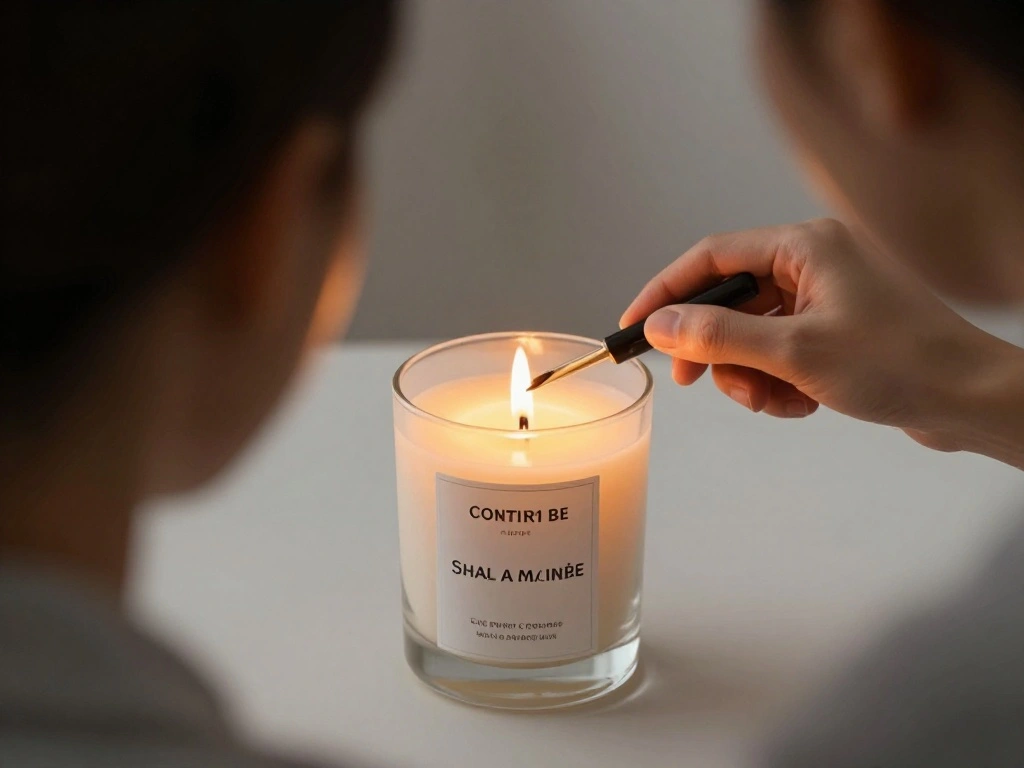
Burn time is crucial for understanding how long a candle will last. Look for the estimated burn time on the label, which is usually provided in hours. Factors affecting burn time include:
- Wax type
- Wick size
- Candle diameter
Pro Tip: A larger candle generally has a longer burn time but check the wax and wick quality.
Why this matters: Knowing burn time helps you assess the value of the candle and plan usage.
Time estimate: 5 minutes.
Recommended Products

Girls Trip Vibes: Celebrate lifelong friendships and unforgettable moments. Fruity notes of tart rhubarb and playful cassis bud blend with creamy sandalwood, creating a vibrant and warm fragrance that’s as fun and timeless as your favorite girls' trip.

🪔🪔PRODUCT DESCRIPTION: Our 12 piece bulk mason jar candles with lids measure approximately 8 ounces each, plenty of quantity sets to meet any of your needs, and the sophisticated design makes for a great gift idea!

Natural Fragrance:Enjoy the luxurious aroma of natural vanilla and fresh coconut fragrance, each light is a wonderful escape from the everyday hustle and bustle. Immerse yourself in an island vacation with this scented candle.
Step 3: Understand Burn Time
Editor’s Choice

RONXS 3 in 1 Candle Accessory Set, Candle Wick Trimmer Cutter, Candle Sn…
Step 4: Look for Scent Information
Many candles are scented, and the label should indicate the fragrance type. Common categories include:
- Essential oils: Natural and often healthier options.
- Fragrance oils: Synthetic blends that may contain chemicals.
Warning: Be cautious of candles labeled simply as ‘fragrance’ without specifying essential oils, as they may emit harmful substances.
Why this matters: The type of scent can affect your health and the ambiance of your space.
Time estimate: 5 minutes.
Recommended Products

100% Pure Beeswax - Beesworks Beeswax is totally pure, Grade A, triple filtered beeswax. Our premium filtered yellow beeswax is the highest quality cosmetic grade and contains zero additives, so you can be sure you are making an effective and safe choice.

Package includes 4 White BEESWAX Blocks; Material: Beeswax; Weight: Approx. 14 OZ; Size: Approx. 54x70x32mm/2.13x2.76x1.26inch.
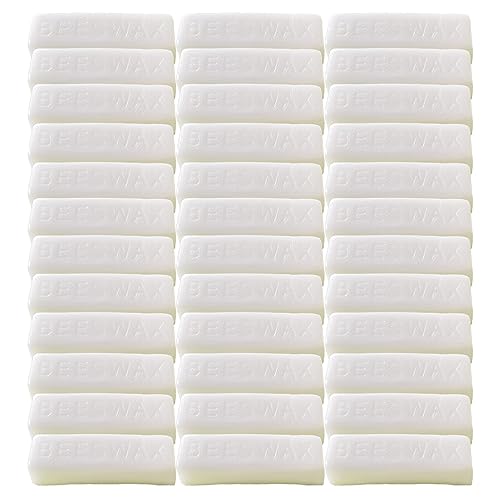
The package included 36pcs white beeswax bars. Perfect for using small amounts or experimenting with new homemade recipes and mixing with essential oils
Step 4: Look for Scent Information
Editor’s Choice
SAEUYVB Candle Making Kit with Wax Melter, Candle Wax for Candle Making …

EricX Light 100 Piece Natural Candle Wick, Low Smoke 6″ Pre-Waxed & 100%…

Fragrance Essential Oils Set – 14pcs, Aromatherapy Oils for Skin, Diffus…
Step 5: Evaluate Safety Features
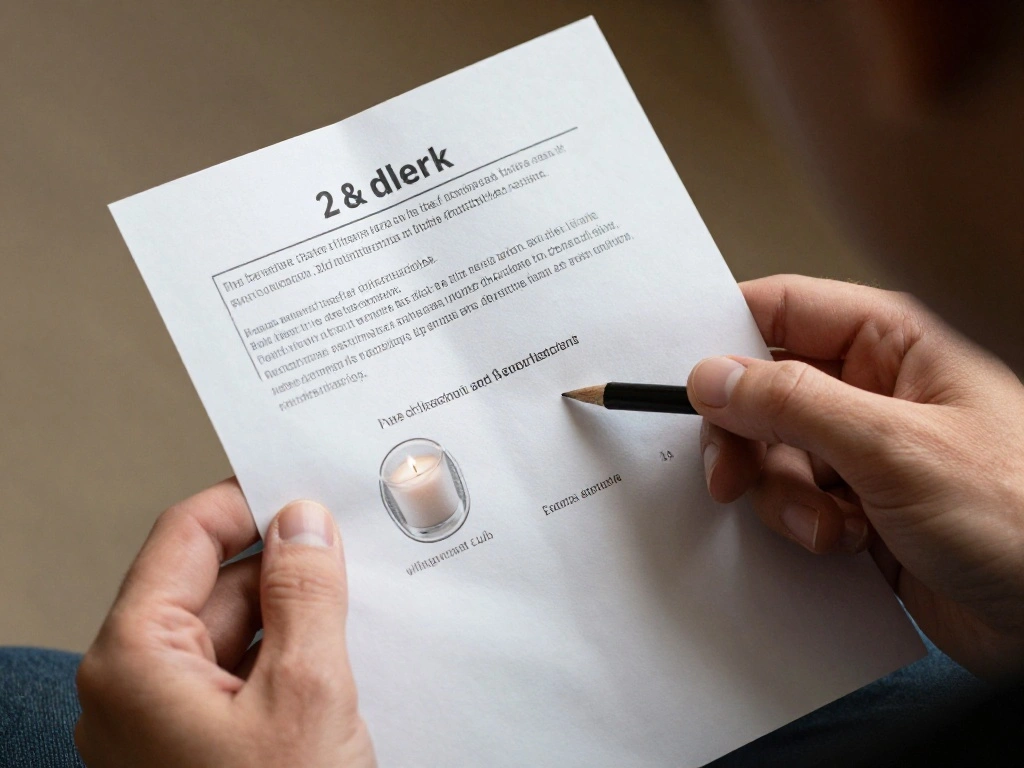
Safety features on candle labels are essential for preventing accidents. Look for:
- Warnings: Such as keeping away from flammable objects.
- Extinguishing instructions: Proper methods for putting the candle out safely.
Pro Tip: Choose candles with clear safety instructions for a better experience.
Why this matters: Understanding safety features helps avoid potential hazards while using candles.
Time estimate: 5 minutes.
Recommended Products

value pack:There are 3 different sizes of 4 "+6"+8 ", each with 100 pieces, including 10pcs of wooden wick fixators and 100pcs of double-sided tape, enough for your use
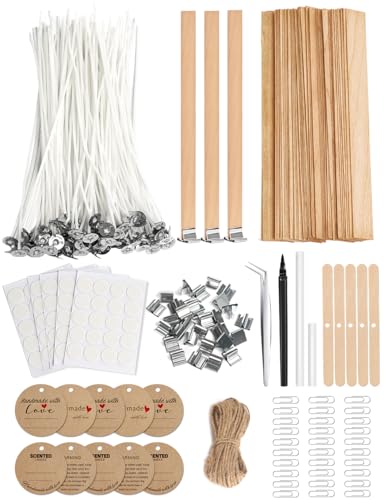
Ultimate Candle Making Kit - Includes 100 pre-waxed cotton wicks (4"), 30 wooden wicks (5"), 5 wick holders, 30 metal bases, 30 paper clips, 100 wick stickers, 2 wick placing tube, 10 candle tags, 1 pen, 6.6ft string & 1 tweezers. This complete kit provides everything required to begin crafting beautiful candles—perfect for both beginners and experienced makers. Includes high-quality materials and essential tools for a seamless candle-making experience.

SIZE AND QUANTITY: Candle wick approximately 4 inch or 10 cm in length, base diameter 12mm. Perfect for candle making especially for making a wide variety of candle sizes, just cut the cotton wick to get the desired length. Pack includes 150pcs candle wick.
Step 5: Evaluate Safety Features
Editor’s Choice

WGVI Hurricane Candle Holder Sleeve, Wide 4″, Height 8″, Clear Glass Cyl…
Step 6: Check for Eco-Friendly Certifications
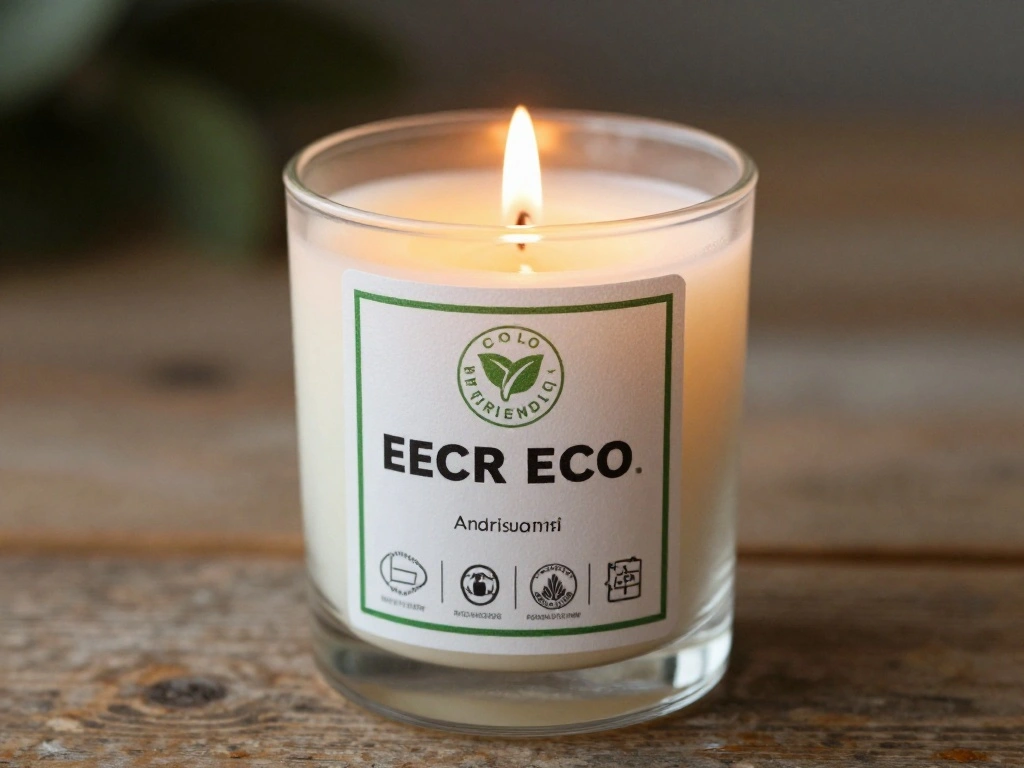
Many consumers prefer eco-friendly candles. Look for certifications on the label, such as:
- USDA Organic: Indicates natural sourcing.
- Non-Toxic: Confirms low chemical emissions.
Warning: Be cautious of misleading labels claiming to be ‘natural’ without certifications.
Why this matters: Eco-friendly candles are better for your health and the environment.
Time estimate: 5 minutes.
Step 6: Check for Eco-Friendly Certifications
Editor’s Choice
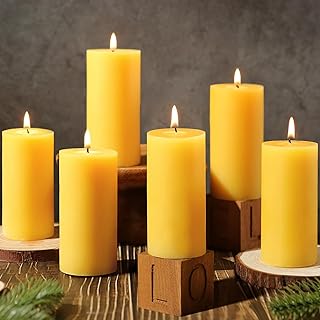
6 Pack Natural Beeswax Pillar Candles,100% Pure Beeswax Candles-210 Hour…

Soy Candles Set of 4, 9oz Natural Soy Wax Aromatherapy Candles, Home Sce…

Organic Coconut Vanilla Candles – Non Toxic Soy Candles for Home, Stress…
Step 7: Compare Prices and Sizes
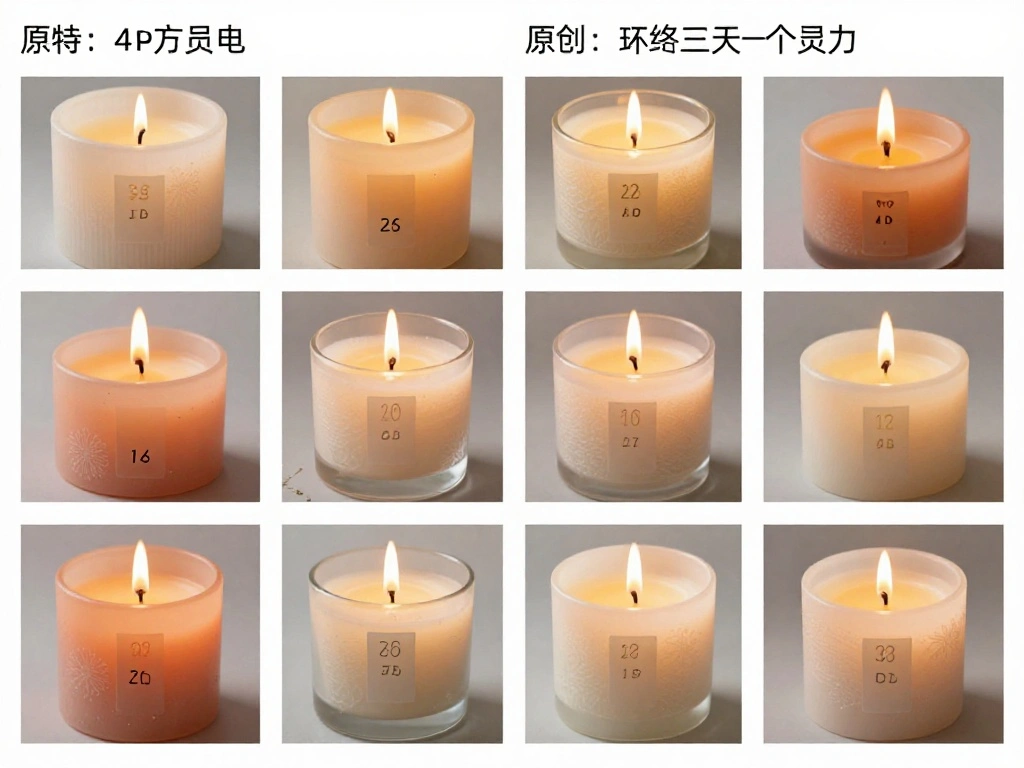
Before purchasing, compare prices and sizes of similar candles. Note the cost per ounce or gram to get a better understanding of value. Consider:
- Quality of materials
- Brand reputation
- Burn time
Pro Tip: Don’t just buy the cheapest option; quality matters!
Why this matters: Evaluating prices ensures you invest in quality candles that last longer and perform better.
Time estimate: 5 minutes.
Recommended Products

GREAT QUALITY UNSCENTED TEALIGHT CANDLES: Add a charming touch to any room with these minimal and elegant tea light candles that will instantly upgrade the ambiance of your home. Easy to use, budget-friendly and unscented to be a gentle choice even for people with pets or young kids, these white candles are perfect for every true candle-lover!


Step 7: Compare Prices and Sizes
Editor’s Choice

Bonvoisin Baking Scale 0.1 Gram Accuracy Digital Scale for Kitchen, Cand…
Step 8: Make Your Final Decision
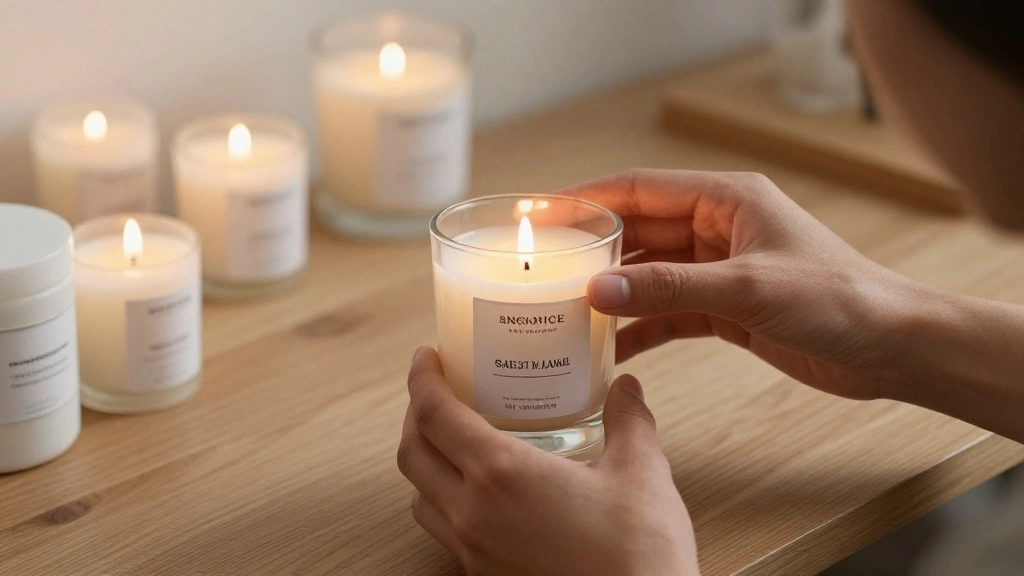
After gathering all the information from the candle labels, it’s time to make your purchase decision. Consider your preferences for:
- Wax and wick types
- Scent and safety features
- Price and size
Warning: Don’t rush—take your time to ensure you choose the right candle.
Why this matters: A well-informed decision leads to a satisfying candle experience.
Time estimate: 5 minutes.
Step 8: Make Your Final Decision
Editor’s Choice

CandMak Candle Wick Kit – 60 Cotton Wicks with Candle Making Tools (Thic…

PHATOIL 3.38FL.OZ Coconut & Vanilla Fragrance Oils for Aromatherapy, Ess…
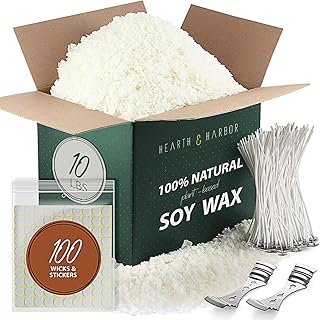
Hearth & Harbor Organic Soy Candle Wax for Candle Making, 10 lbs Natural…
Pro Tips
- Check Reviews: Look for customer feedback on candles before purchasing.
- Test Burn: If possible, burn a small section to gauge scent throw and burn quality.
- Store Properly: Keep candles in a cool, dry place to maintain quality.
- Use a Candle Snuffer: For extinguishing candles safely and effectively.
- Rotate Candles: Use different scents for different moods or seasons.
Pro Tips
Editor’s Choice


Candle Storage Organizer, 12 Slot Clear Acrylic Candlebox With Lid and D…

Kirecoo Candle Snuffer Extinguisher with Long Handle, Polished Stainless…
Common Mistakes to Avoid
Warning: Don’t ignore the wax type; it significantly affects burn quality. Warning: Avoid purchasing candles without safety warnings. Warning: Don’t assume all scents are safe; check for natural ingredients. Warning: Never buy based solely on price; quality matters more. Warning: Don’t overlook burn time; it helps assess value.
Common Mistakes to Avoid
Editor’s Choice

buluker 300Pcs Functional Smokeless Candle Wicks – Pre Waxed Cotton Wick…
Hearth & Harbor Organic Soy Candle Wax for Candle Making, 10 lbs Natural…

Bakery Essential Oils Set,Premium Fragrance Oil for Diffusers, Scents fo…
Troubleshooting Section
Problem: Candle burns unevenly.
Solution: Trim the wick before lighting to the recommended length.
Problem: Scent is too faint.
Solution: Try a candle with a higher concentration of fragrance oil.
Problem: Candle wax is pooling.
Solution: Ensure the wick is trimmed and keep the candle away from drafts.
Problem: Candle soot.
Solution: Check wick material and size; consider a different candle type.
Problem: Candle burns too quickly.
Solution: Choose candles with thicker wax for longer burn times.
Troubleshooting Section
Editor’s Choice

Scented Candles Gift Set for Women, 4 Pack Soy Wax Candles in Classic Bo…

Aoshang Candle Wick Trimmer,Stainless Steel Wick Clipper Cutter, Scissor…
Scented Candles Gift Set for Women, 4 Pack Soy Wax Candles in Classic Bo…
Variations/Alternative Methods
Consider making your own candles as an alternative. This allows you to choose your wax, wick, and scents. Pros: Customization and potentially lower costs. Cons: Requires more time and effort. Another option is to buy locally from artisanal candle makers for unique scents.
Variations/Alternative Methods
Editor’s Choice

SAEUYVB Candle Making Kit for Adults with Hot Plate, DIY Starter Soy Can…
Hearth & Harbor Organic Soy Candle Wax for Candle Making, 10 lbs Natural…
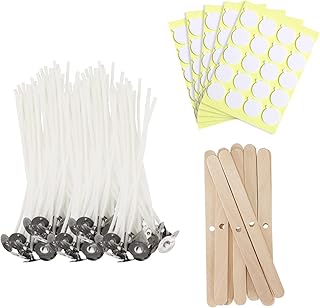
JEAWIWI Candle Wick 4 in 100 Pcs with 100 Pcs Wick Stickers and 10 Pcs C…
FAQs
What if I don’t have a specific wick trimmer?
You can use scissors to trim the wick to the recommended length.
How long should I burn a candle?
Typically, burn candles for 1 hour per inch in diameter for an even melt.
Is it safe to leave candles unattended?
No, always supervise burning candles to prevent fire hazards.
What if my candle won’t stay lit?
Check if the wick is too long or if the wax is too soft.
How can I tell if a candle is of good quality?
Look for natural materials, clear labeling, and positive reviews.
FAQs
Editor’s Choice

RONXS 3 in 1 Candle Accessory Set, Candle Wick Trimmer Cutter, Candle Sn…
CHEFBEE Candle Wick Trimmer, Black Polished Stainless Steel Wick Clipper…
Conclusion

Congratulations! You’ve learned how to effectively read candle labels, ensuring you make informed decisions when purchasing candles. With your newfound knowledge, you can choose candles that not only look good but also burn well and are safe to use.
Next steps include exploring different types of candles and perhaps even trying your hand at making your own! Remember, quality matters, and the right candle can significantly enhance your environment.