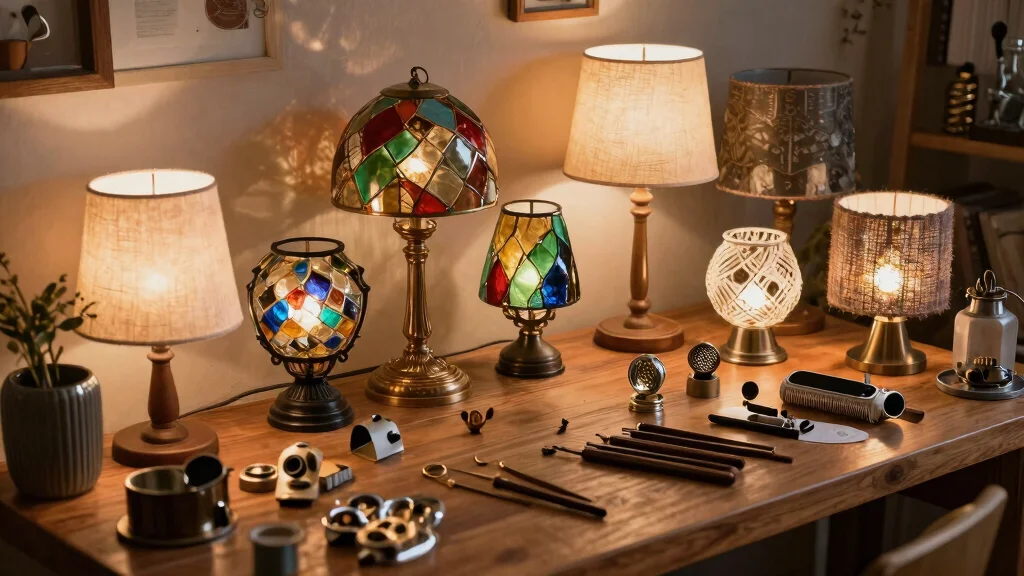
Creating your own lamps can be an exciting way to bring your personal style into your home. Whether you’re diving into an upcycled vintage lamp project or dreaming up unique DIY lamp ideas, there’s something incredibly rewarding about crafting your own home lighting. This post is here to guide you through essential DIY lamp mistakes to avoid. With a little preparation and awareness, you can transform your space without the stress of common pitfalls.
If you’re someone who enjoys home decor and loves to add a personal touch to your lighting solutions, this guide is tailored for you. Many DIY enthusiasts overlook important aspects of lamp design, leading to frustrating results or unsafe situations. By learning about these common errors, you will feel more confident and inspired to create beautiful, functional lamps that truly light up your life.
In this article, you’ll discover five specific mistakes people often make when tackling DIY lamp projects. From safety checks to the importance of personalizing your design, these tips will not only help you avoid frustration but also enhance the overall impact of your creations. Let’s get started on making your DIY lamp projects successful and enjoyable!
Key Takeaways
– Always perform safety checks before starting your lamp project to ensure all electrical components are secure and properly installed.
– Make sure to choose the right lampshade that complements your lamp’s design and properly diffuses light for optimal ambiance.
– Verify light bulb compatibility with your lamp to avoid overheating or dim lighting, ensuring the best performance of your DIY creation.
– Don’t underestimate the power of finishing touches; small details can transform your lamp from ordinary to extraordinary.
– Remember to personalize your design to reflect your unique style, making your lamp not just a light source, but a statement piece in your home decor.
Recommended Products

EXTRA LONG 12 FOOT CORD & QUALITY HARDWARE SET Included - A 12ft Electric Cord with polarized plug fit both Table Lamp and Floor Lamp Making / Repair. Wire ends are fitted with U-shaped connector,which make connection work simple .Qualified hardwares have good color matching and looks upgraded.

EXTRA LONG 12 FOOT CORD & QUALITY HARDWARE SET Included - A 12ft Electric Cord with polarized plug fit both Table Lamp and Floor Lamp Making / Repair. Wire ends are fitted with U-shaped connector,which make connection work simple .Qualified hardwares have good color matching and looks upgraded.

🛠️ Instant Lamp Kit: Easily create an electric accent lamp or repair and restore an old lamp with the Creative Hobbies Lamp Making Kit, eliminating the need to wire the lamp socket yourself.
1. Skipping Safety Checks
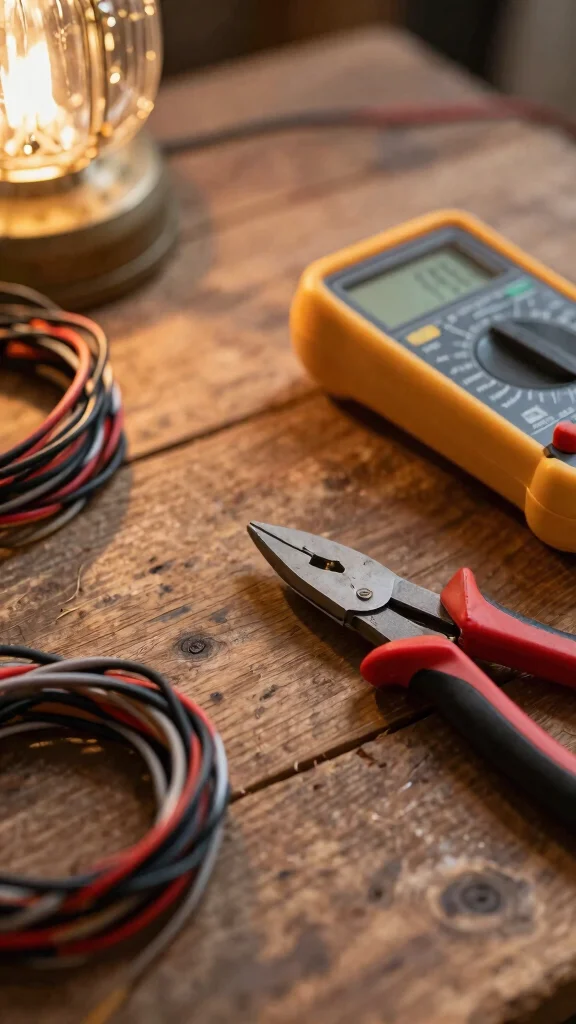
Creating a one-of-a-kind lamp is exciting, but safety is paramount. One significant mistake DIY enthusiasts often make is rushing into the project without properly checking the wiring and electrical components. Ensuring everything is secure and meets safety standards can prevent potential hazards like short circuits or fires.
Before you dive into crafting your lamp, inspect all materials carefully. Here are some practical tips to keep in mind:
– Always select components rated for the wattage of your chosen bulb.
– Ensure that all wiring is intact and shows no signs of damage.
– If you have doubts about electrical work, consult a professional or follow a reliable guide.
Prioritizing safety not only guarantees your lamp functions effectively but also keeps your home secure. Using a multimeter to check connections can help you identify any issues, leading to a successful and safe DIY lamp project.
Fun fact: nearly 40% of diy lamp mistakes start with skipping safety checks. Spending just 5 minutes to inspect wiring and components cuts fire risk and saves you from costly fixes later.
Recommended Products
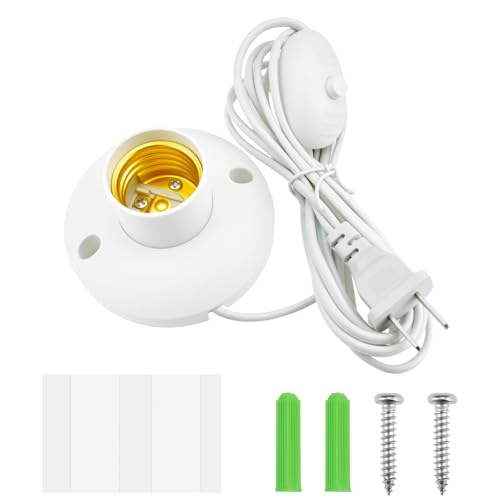
𝐏𝐫𝐞𝐦𝐢𝐮𝐦 𝐂𝐨𝐧𝐬𝐭𝐫𝐮𝐜𝐭𝐢𝐨𝐧: Crafted with flame-retardant PC material to resist overheating during long-term use; reinforced cord withstands repeated bending and prevents loosening after tightening, extending the socket’s service life effectively

Materials: Crafted from safe materials, this lamp holder boasts insulation, flame retardant, heat resistance, and corrosion resistance, ensuring durability and long-lasting performance.

Includes: 2 in pull chain, 3 ft. Pull cord with Bell end, CSA lr-1863, UL E3810, for high-intensity lamps
Skipping Safety Checks
Editor’s Choice

Klein Tools 69149P Electrical Test Kit with Digital Multimeter, Non-Cont…


Klein Tools 69355 Digital Multimeter Premium Electrical Test Kit with No…
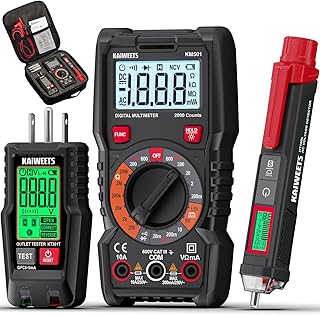
KAIWEETS Electrical Test Kit KIT01, Digital Multimeter, Smart Non-Contac…

Klein Tools 80067 Electrical Test Kit with IR Digital Thermometer, Multi…

Klein Tools MM325 Multimeter, Digital Manual-Ranging 600V AC/DC Voltage …
2. Choosing the Wrong Shade
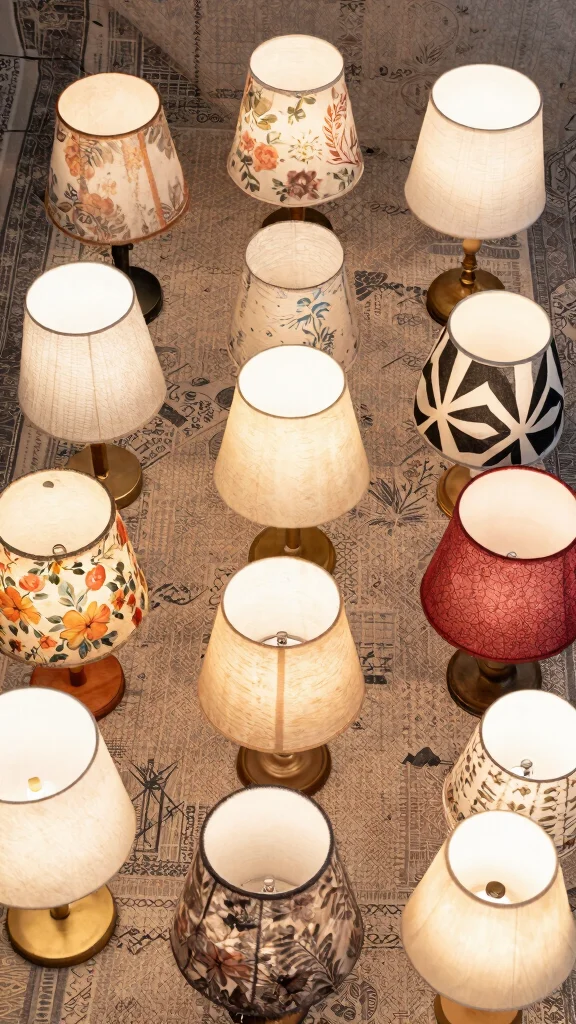
Selecting the perfect lampshade can be both enjoyable and tricky. A frequent misstep among DIY decorators is picking a shade that clashes with the lamp base or the room’s overall aesthetic. Achieving a harmonious look is essential, as the lampshade plays a crucial role in the lamp’s design. An ill-fitting or mismatched shade can throw off the entire visual appeal.
Keep these suggestions in mind to find the ideal shade:
– Match the scale of your lamp base with a proportionate shade.
– Experiment with various shapes; a round shade can add charm to a square base.
– Select colors that either complement or beautifully contrast the room’s decor.
By thoughtfully choosing a lampshade that enhances your lamp base and fits seamlessly into your space, you’ll create a stylish and cohesive lighting fixture.
Recommended Products

Lampshade Diffusion: Can effectively disperse the light, reduce the glare caused by direct light, create a soft and comfortable lighting environment, protect the eyes from glare stimulation, and make the lighting effect more warm and pleasant

Versatile Application:This light diffuser is compatible with any 7-inch/180mm standard reflector and can be securely mounted on an 18cm studio flash reflector.

【Semi Flush Mount Ceiling Light with Linen Fabric Shade】 — This 12.6" drum semi flush mount ceiling light features a classic linen fabric shade and black metal frame, perfect for modern farmhouse, minimalist, and vintage decor styles.
Choosing the Wrong Shade
Editor’s Choice

Royal Designs, Inc. BSO-704-10EG True Bell Basic Lamp Shade, 5 x 10 x 8….

White Bell Scalloped Lampshade, 5″ Top x 10″ Bottom x 8″ Vertical Height…

Royal Designs Square Inverted Cut Corner Basic Lamp Shade, Antique Gold,…

Fabric Drum Lampshades for Table, Floor Lamps, 13’’ Top x 13’’ Bottom x …

Boho Rattan Lamp Shade, 12.6″ Top x 12.6″ Bottom x 7.68″ High, Natural R…
3. Ignoring Light Bulb Compatibility
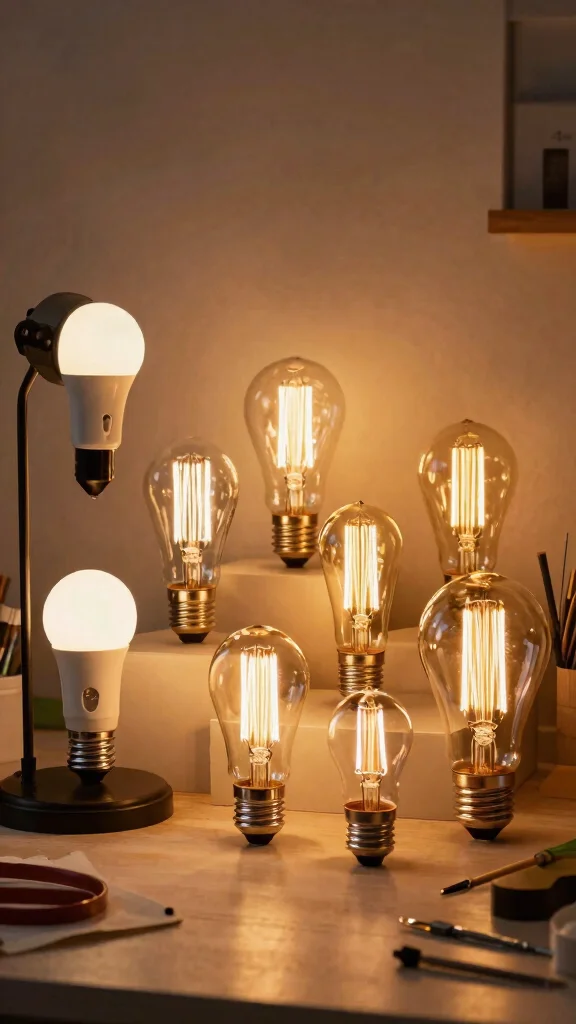
In DIY lamp projects, many creators tend to overlook the crucial aspect of light bulb compatibility. This mistake can result in dim lighting or a flickering lamp that fails to serve its purpose. Different light bulbs produce varying levels of brightness and warmth, and choosing the wrong one can significantly impact your home’s ambiance.
To avoid this common error, keep these tips in mind:
– Verify the lamp’s socket type to ensure your bulb matches (e.g., E26, E12).
– Be mindful of wattage limits; using bulbs exceeding recommendations can lead to overheating.
– Decide on the type of light you need: LEDs are energy-efficient, while incandescent bulbs offer a warm glow.
Understanding your light bulb options and their compatibility will enhance your DIY experience, helping you achieve the perfect atmosphere in your home.
Fun fact: 7 out of 10 DIY lamp mistakes come from ignoring light bulb compatibility. When you mismatch socket type or bulb brightness, you’ll get dim light or flicker instead of the cozy glow you want. Always verify socket type (E26, E12) before you pick a bulb.
Recommended Products
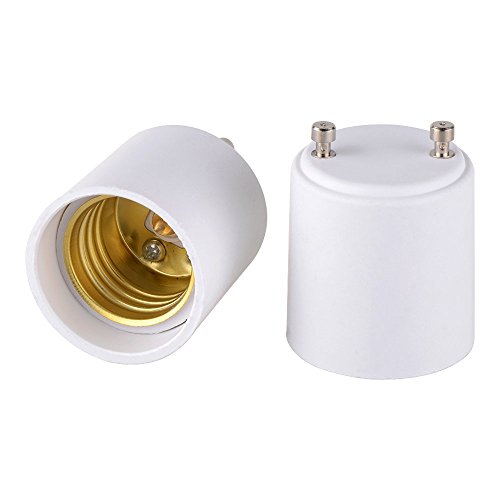
【Solve Your GU24 Socket Problem】 Recently bought a lamp only to find it has a GU24 pin base instead of the standard screw socket? Don't return it! Our adapter seamlessly converts your GU24 fixture to fit the common E26/E27 bulbs you already have and love. No need to replace the entire fixture.

60W Incandescent Replacement Bulb: A19 LED bulbs are more energy efficient than incandescent bulbs but generate less heat. No lead or mercury, no IR radiation. It provides a comfortable lighting space and protects our visual health at the same time

【 Dimmable Light Bulb with Remote Control and Timer 】- Operation is simple with the included remote control that allows you to turn the lights on and off quickly, adjust brightness and warmth, select from 3 lighting colors ( Warm White / Natural White / Cold White ) and set a timer ( 30 min / 120 min ) across the space with a 10-meter-long working range. It is convenient if the LED bulbs are set up in a hard-to-reach location
Ignoring Light Bulb Compatibility
Editor’s Choice

Hizashi Vintage LED Edison Bulb Dimmable, 6W Equivalent 60W, 3000k Soft …

TJOY 12 Pack A19 Vintage LED Edison Bulbs, Dimmable, 60W Equivalent, Hig…

Amazon Basics A19 LED Light Bulbs, 60W Equivalent, Daylight White 5000K,…

A19 LED Light Bulbs, 12 Pack, 60W Equivalent, 9W Daylight 5000K LED Ligh…

LiteHistory LED Bulb Dimmable 6W Equal Warm White 2700K T6 T25 E12 Cande…
4. Underestimating the Power of Finishing Touches
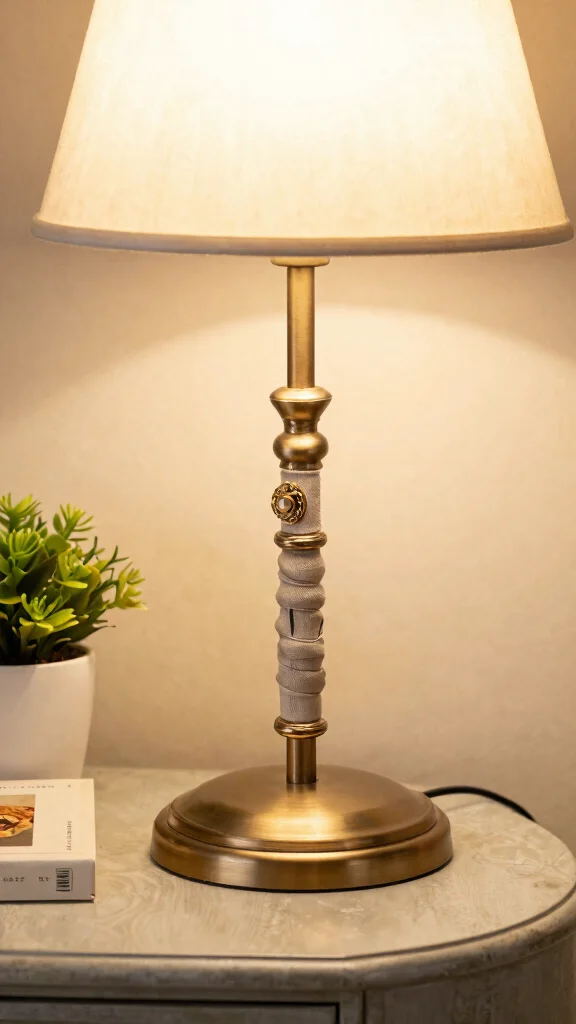
The charm of DIY lamp projects often lies in the details. Many creators underestimate how finishing touches can elevate the lamp’s design. Simple embellishments can transform an ordinary lamp into a captivating focal point in any room.
Consider incorporating these elements:
– Add decorative cord covers or fabric wraps for added texture.
– Use unique knobs or switches to showcase your personality.
– Create layered lighting effects by pairing your lamp with other light sources in your home.
These finishing touches not only enhance aesthetics but also express your unique style, making your lamp a standout piece in your decor. Embrace creativity and feel free to experiment with unexpected elements that can give your DIY lamp a professional flair.
Did you know 70% of a lamp’s impact comes from finishing touches? Avoid diy lamp mistakes by adding decorative cord covers, unique knobs, and layered lighting—small details that turn a project into a stylish focal point.
Recommended Products

🛠️ ALL-IN-ONE DIY LAMP KIT: Our kit includes everything you need to create a custom lamp or refurbish an old one. Perfect for adding a personal touch to your space.

🛠️ Complete DIY Lamp Kit: Create a custom lamp or re-wire an existing one with this all-inclusive parts kit, featuring everything you need for assembly.

【PACKAGE INCLUDES】2 Piece 8 inch lamp shade harps,2 piece saddle ,2 piece lamp finial.
Underestimating the Power of Finishing Touches
Editor’s Choice

Fabric Cord Cover Chandelier Chain Cover 2 Packs 6 Ft Length Natural Lin…

Royal Designs, Inc. Cord & Chain Cover 4 ft Silk Type Fabric, Chandelier…

EIFHYT Fabric Cord Cover & Chandelier Chain Cover 2 Pack 6Feet Length fo…

XMJY 2 Packs 6Ft Fabric Cord Cover, Linen Fabric Cord Cover for Chandeli…

Lamp Cord with Knob Dimmer Switch, Black Wire Plug in, Stripped Ends Rea…
How To Choose The Right Lamp Shade
Choosing the right lamp shade is crucial for your DIY lamp project. The shade affects both the look and the function of your lamp. Here are some key points to consider when selecting a shade that fits your style and needs.
1. Shade Size
The size of your lamp shade should complement the base. A general rule is to choose a shade that is about twice the width of the base. If your lamp is tall, opt for a taller shade to balance the proportions. Measure carefully to avoid mismatches.
2. Color and Material
The color and material of the shade affect the light quality. Light-colored fabrics allow more light to pass through, creating a bright atmosphere. Darker shades can add warmth but may dim the light. Consider materials like linen or cotton for a cozy feel or metal for a modern touch.
3. Shape and Style
The shape of the shade should match the style of your lamp and your decor. For example, a drum shade works well with contemporary designs, while a bell shape suits a traditional lamp. Choose a style that enhances your lamp’s design and fits seamlessly into your space.
4. Light Bulb Compatibility
Make sure the shade fits the light bulb you plan to use. Some shades have restrictions on bulb size or wattage. Check the specifications to prevent overheating or damaging the shade. A compatible bulb will ensure your lamp functions safely and effectively.
5. Personal Touch
Don’t forget to add your personal flair! You can paint a plain shade or add embellishments like beads or fabric trim. Customizing your shade allows you to infuse your personality into the lamp, making it a unique piece in your home decor.
Pro Tip: Before finalizing your choice, hold the shade up to the lamp base in different lighting conditions. This helps you see how the shade looks in your space, ensuring it truly fits your vision.
By carefully considering these factors, you can choose the ideal lamp shade that enhances both the function and aesthetics of your DIY project. Happy crafting!
Recommended Products
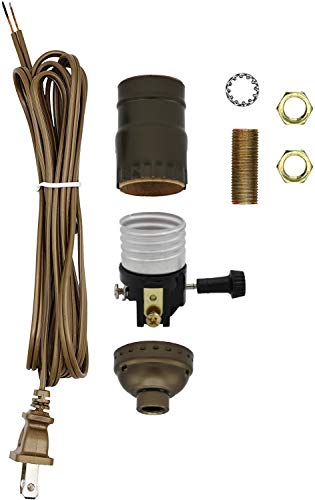
💡 COMPLETE LAMP KIT: Our DIY lamp kit provides all the essentials you need to create your own unique lamp from scratch or to repair an old one.

PACKAGE INCLUDES - 1 x 12 feet lamp cord, 1 x 3-way lamp socket, 1 x lamp harp base, 1 x decorative neck, 1 x 5 cm threaded pipes, 1 x 2.5 cm threaded pipes, 2 x metallic washers, 2 x rubber washers, 2 x lock washers, 2 x hex nuts.
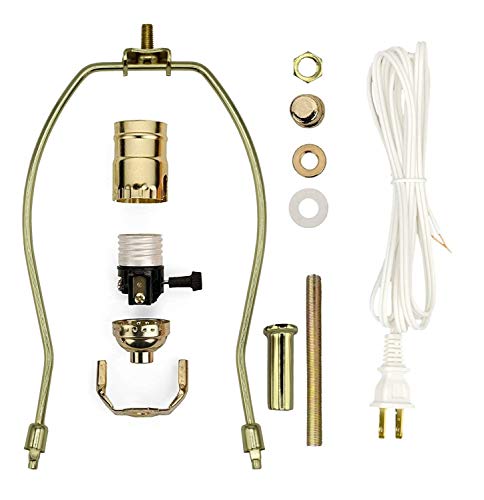
The Creative Hobbies Make-A-Lamp kit includes all the parts required to completely wire your own lamp.
5. Neglecting to Personalize Your Design
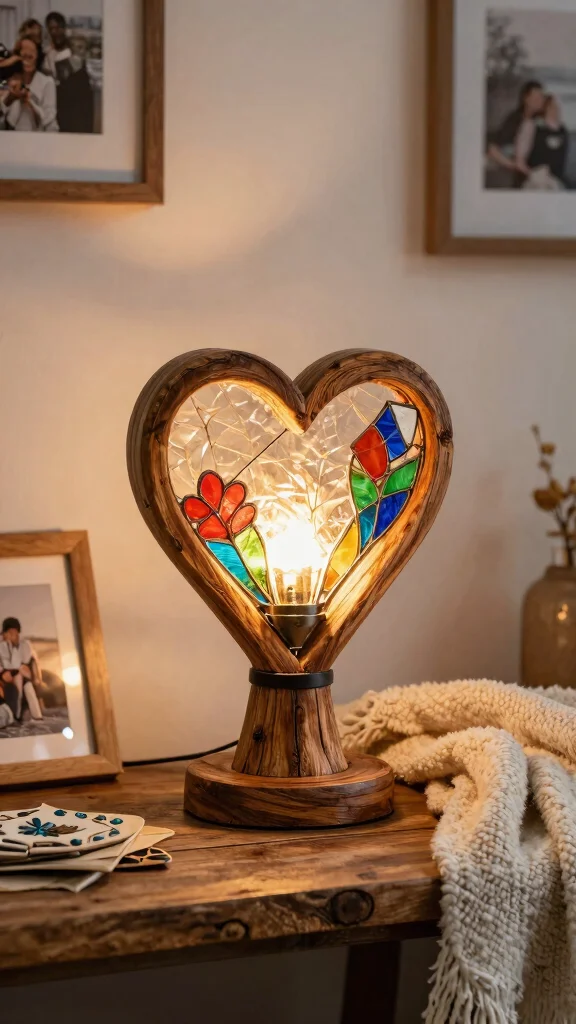
One of the greatest joys of DIY lamp crafting is expressing your personality. However, many people stick too rigidly to instructions and miss the chance to personalize their designs. Infusing your lamp with personal touches can turn a simple creation into a treasured keepsake.
Reflect on how to make your lamp uniquely yours:
– Select colors and patterns that resonate with your style.
– Incorporate sentimental items, like a family heirloom or inspiring artwork.
– Mix materials to create a visually interesting, multi-dimensional look.
Letting your personality shine through in your lamp design not only makes it unique but also adds stories and memories that enrich your home decor. Don’t hesitate to explore unconventional ideas and create something truly special.
Recommended Products

Universal E26/E27 Compatibility – This product features a standard E26/E27 socket base that accommodates various bulb types for diverse lighting needs.Applicable Occasions: This lamp holder can be used to illuminate the lighting suitable for kitchens, bedrooms, bathrooms, restaurants, cafes, shops, garages, tool rooms and other places.
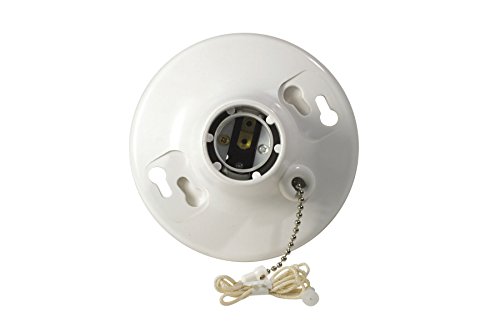
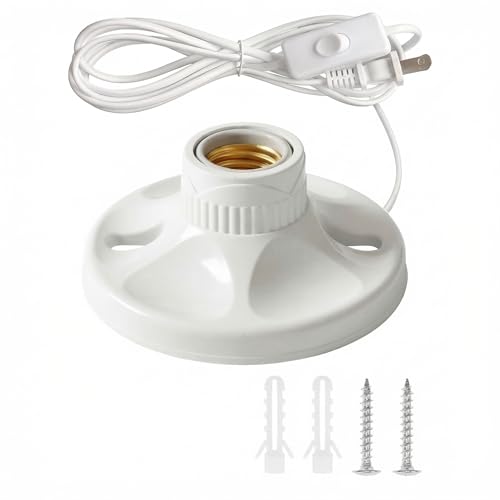
Wide E26/E27 Compatibility:Fits all standard E26 and E27 bulb types perfectly, compatible with LED, Edison, incandescent and CFL bulbs for different lighting needs.
Neglecting to Personalize Your Design
Editor’s Choice

Personalized Custom Photo 3D Lamp Photo Engraving Custom Text Best Gifts…

Custom 3D Photo Lamp Personalized Portrait Illusion Night Light Cube Lig…
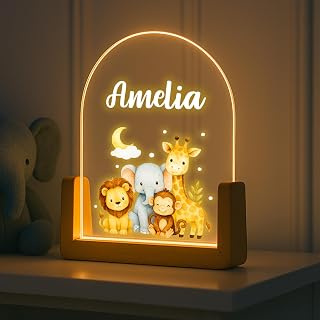
Custom Name LED Night Lamp – 5×7 Personalized Nursery Night Light, Bedro…

Royal Designs DIY Lamp Making Kit – Make, Refurbish, and Repair – Includ…

DIY Lampshade Kit 8″x12″ Gold – DIY Lamps Shade Making Kit with All Metr…
📹 Related Video: Let’s Customize This Lamp and Make It Meaningful | Custom Lamp Template Tutorial (Canva + Photoshop)
Conclusion
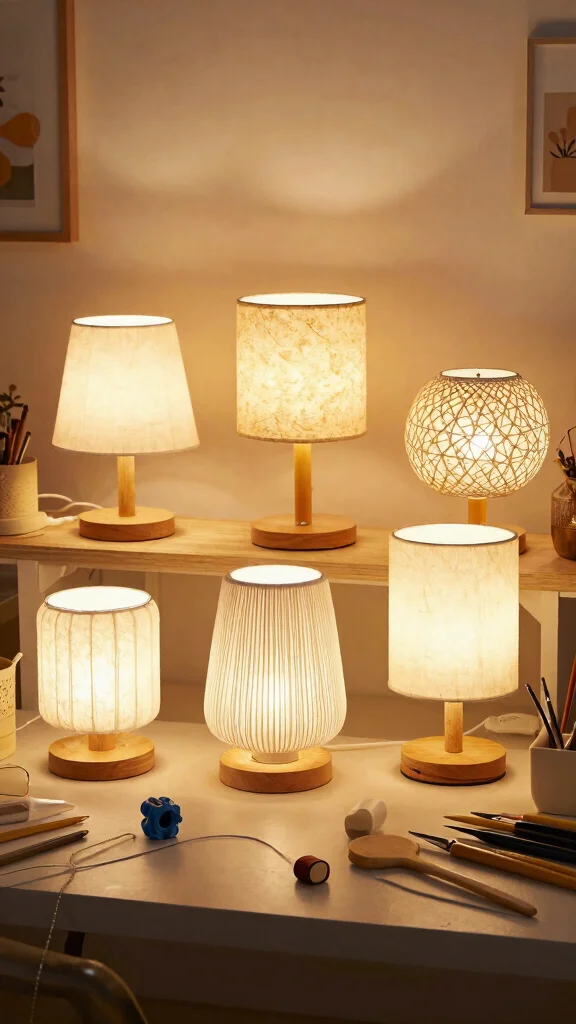
Crafting your own lamp can be a rewarding experience, filled with creativity and joy. By avoiding these common DIY lamp mistakes, you can create a stunning piece that not only illuminates your space but also showcases your personal style. Embrace the process and remember that each mistake is just a stepping stone toward mastering the art of lamp making. So gather your materials, keep these tips in mind, and let your unique lamp shine bright in your home!
Happy crafting!
Note: We aim to provide accurate product links, but some may occasionally expire or become unavailable. If this happens, please search directly on Amazon for the product or a suitable alternative.
This post contains Amazon affiliate links, meaning we may earn a small commission if you purchase through our links, at no extra cost to you.
Recommended Products

Pleated Material:Fabric- Small floral lamp shade-The drum lamp shades set of 2 small-replacement lamp shades is made of faux silk fabric, elegant and simple lampshade - diffuses soft and even light, creating a comfortable and warm atmosphere and alleviating eye fatigue

Small Lampshade: 3" top x 6" bottom x 5" height.

Small Lampshade: 3" top x 6" bottom x 5" height. Whether you're looking to upgrade or replace your lampshade, these shades will add a touch of elegance and style to your fixture.
Frequently Asked Questions
What are the most common diy lamp mistakes to avoid?
Great question. The most common diy lamp mistakes are safety shortcuts, bulbs that exceed the cord or socket rating, mismatched sockets and wiring, skipping a full test before plugging in, and ignoring shade size and lamp balance.
Practical fixes: check the lamp’s wattage rating and use a bulb within that limit; replace worn cords with UL-listed cord sets and a proper plug; confirm the socket type matches your bulb and wiring; test the finished lamp on a GFCI outlet and start with a low-watt bulb, gradually increasing; plan shade size, harp height, and overall balance before final assembly.
If you’re after lamp design mistakes and DIY lamp ideas, these home lighting tips will keep your lighting DIY projects safe and stylish.
How can I safely upcycle a vintage lamp without repeating common diy lamp mistakes?
Upcycling can be rewarding but risky if you rush safety. Start with a thorough check: look for cracks, loose joints, or wobble. If structural issues exist, reinforce or skip the project. Rewire only if you’re confident; otherwise, hire a pro. Use a new UL-listed cord set, a correct socket, and ensure proper grounding. Avoid painting over vents or seals, choose non-flammable finishes, and test continuity with a multimeter. Verify the bulb wattage and avoid overloading old wiring to keep your upcycled vintage lamp projects both beautiful and safe.
What are practical home lighting tips for DIY lamp ideas using upcycled materials?
Think in layers: ambient, task, and accent lighting. Match scale and balance by choosing a lampshade and harp height that fit the lamp body. Pick bulbs with a warm color temperature (about 2700–3000K) for cozy vibes. Use dimmers when possible to adjust mood, and opt for energy-efficient bulbs to keep your lighting DIY projects economical. Keep safety in mind: ensure heat from bulbs won’t glaze over upcycled finishes and that all wiring remains accessible and secure.
What tools and supplies are essential for a beginner crafting home decor lamp project?
Start simple with these essentials: safety gear (glasses, gloves), wire stripper and cutters, needle-nose pliers, screwdriver, hot glue gun, epoxy or wood glue, sandpaper, and masking tape. Have a cord set, a suitable socket, a harp kit, and a lampshade on hand. Grab a small amount of spray paint or appropriate finishing materials, a test bulb, and a basic electrical tester. These basics help you avoid common lamp design mistakes while exploring DIY lamp ideas and crafting home decor safely.
How can I test and troubleshoot a DIY lamp to ensure reliable lighting and safety after completion?
Start with a visual and tactile check: no scorch marks, loose parts, or frayed wires. Plug into a GFCI outlet and test the switch, cord, and plug. Use a low-wattage bulb first, then gradually increase to the intended wattage while monitoring for heat, flicker, or unusual buzzing. Ensure the shade is fire-safe and that no parts are in contact with hot surfaces. If anything feels off, re-check connections or seek a professional opinion before regular use.
Recommended Products

Efficient & Bright: These A15 LED bulbs deliver energy-saving illumination equivalent to a 40W incandescent, using only 5W of power. They produce 580 lumens of soft light at 2700K, offering both brightness and efficiency.

Premium Material:The outer of light socket is made of high quality phenolic material with aluminum socket interior which is solid enough for using a long time.

E26/E27 LED Light Bulb --- E27 Base Size: 27mm threaded screw base (about 1.06 inches) ; E27 and E26 are largely interchangeable despite the 1mm difference; Fits most standard light fixtures, socket; a sustainable option that lasts longer than traditional bulbs
Related Topics
home decor
DIY lamp mistakes
upcycled lighting
vintage style
lamp design tips
crafting home decor
beginner friendly
lighting DIY projects
home lighting tips
repurposed materials
easy DIY
creative lamps