
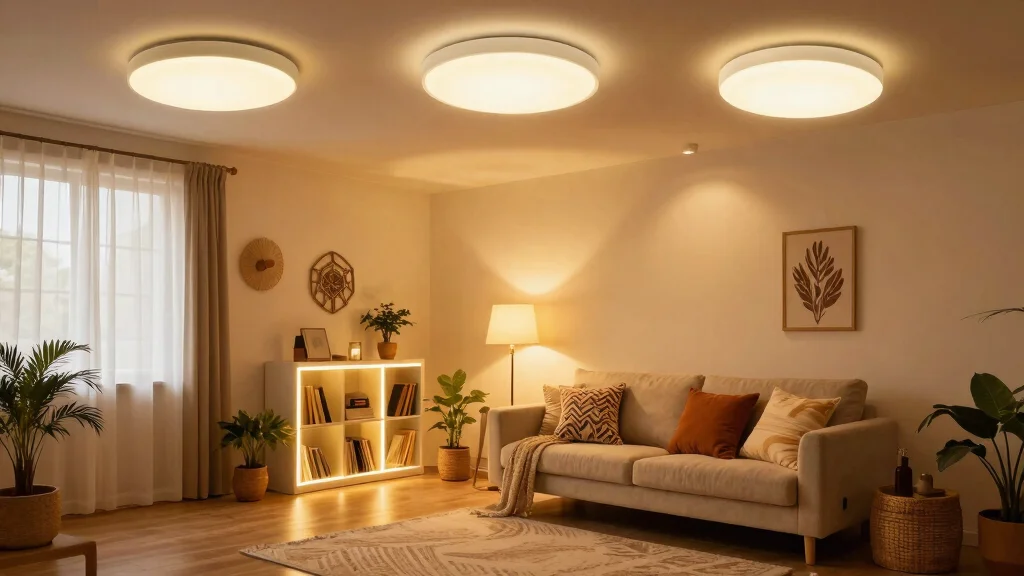
Lighting can make or break your home decor, especially when venturing into the world of smart lighting. With all the options out there, it’s easy to get overwhelmed and make some mistakes along the way. That’s why I created this post! I want to help you avoid those common pitfalls that many beginners encounter.
If you’re someone who loves home decor and is excited about integrating smart technology into your space, this guide is tailored for you. You care about creating a cozy, stylish atmosphere that reflects your taste while also being functional. In this post, you will discover five key smart lighting mistakes beginners often make—and how to sidestep them. From neglecting layered lighting to missing out on smart features, I’ve got you covered with practical advice that can transform your small space into a well-lit haven.
Get ready to learn home lighting tips that will enhance your interior design without overwhelming you. With the right insights, you can enjoy energy-efficient lighting that complements your lifestyle and makes your home a welcoming retreat.
Key Takeaways
– Avoid overlooking layered lighting, as it creates depth and warmth in your space. Use a mix of ambient, task, and accent lighting for a balanced look.
– Don’t skip smart features that can enhance convenience, like dimming options and voice control, making your living space more functional.
– Prioritize energy efficiency when choosing your smart lighting. This helps reduce your electricity bill and is better for the environment.
– Ensure fixtures are placed correctly; misplacing them can result in shadows and dim areas. Take time to plan your lighting layout carefully.
– Stay mindful of trends but don’t be overly trendy. Choose fixtures and designs that reflect your personal style for a timeless look.
Recommended Products
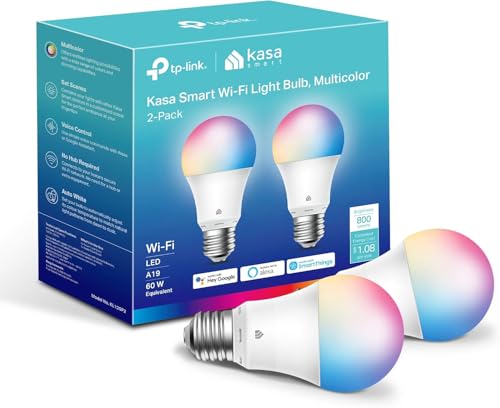
Multicolor & Auto White: Dimmable 16 million colors and warm to cool whites(2500K-6500K). Set your bulb to automatically adjust its color temperature to match natural light patterns from dawn to dusk. Explore endless lighting possibilities to create your favorite light effects for everything from a dinner party to a late-night study session. Great for holiday decorations.

【Alexa & Google Home Voice Control: Hands-Free Convenience】As smart bulbs that work with Alexa & Google Home, it supports voice commands to turn on/off, adjust brightness, and switch colors—perfect for cooking, baby care, or remote work. No hub required: download the AiDot App, integrate with Alexa/Google Home, then link the LED light bulbs to alexa devices or google—3 simple setup steps. It connects to 2.4GHz WiFi, ensuring stable, lag-free voice response for effortless control from anywhere

SMART UPGRADE FOR CONVENIENCE AND ENERGY EFFICIENCY : Control your Amazon Basics smart light bulbs using your voice or via the Alexa app, no more turning on/off each individual light switch. Create custom routines to schedule your lights automatically at sunset and sunrise and save energy. You can change colors of your lights for a movie night with family or friends. Works Exclusively with Alexa. Not compatible with Google Assistant, Apple HomeKit, Smart Things.
1. Overlooking Layered Lighting
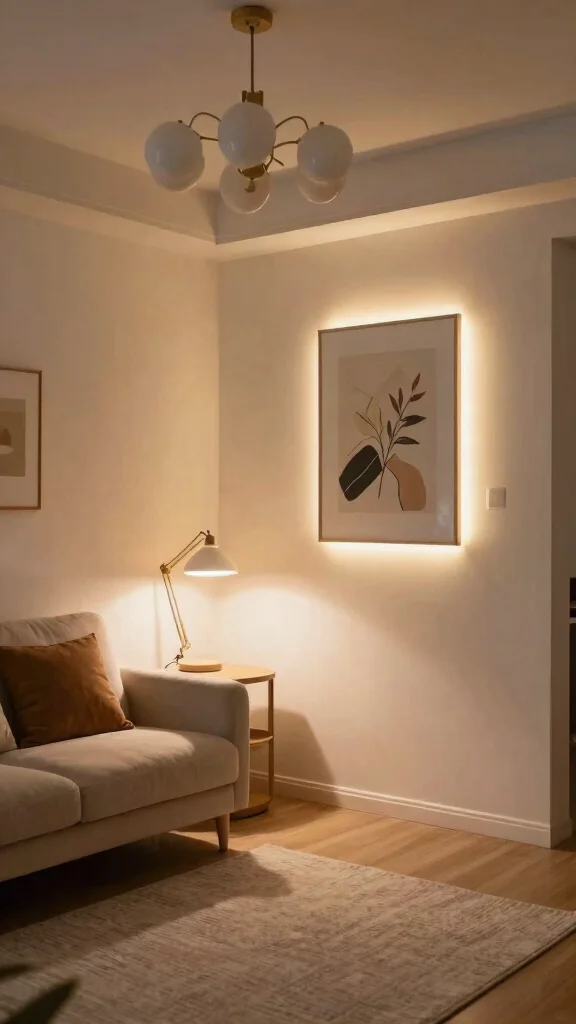
A well-designed space thrives on the principle of layered lighting, which combines various sources to enhance visual interest and comfort. Relying solely on overhead lights can leave your room feeling flat and uninviting. By incorporating ambient, task, and accent lighting, you create a dynamic atmosphere that feels warm and inviting. For example, think of soft recessed lighting paired with stylish table lamps and elegant wall sconces to create a balanced glow throughout your room.
To implement layered lighting effectively, evaluate your activities in each space. For instance, add task lighting like stylish desk lamps in your office and accent lighting to highlight that beautiful artwork. Consider budget-friendly options like LED strip lights to elevate your decor without breaking the bank. This approach not only transforms your space but also enhances your mood and productivity.
Consider these tips for effective layered lighting:
– Pair ambient overhead lights with cozy table lamps
– Install under-cabinet lighting for kitchen tasks
– Use wall sconces to highlight artwork or photos
– Incorporate dimmers to adjust brightness as needed
Layering lighting creates depth and character in your home. Combining different textures and materials enhances the overall aesthetic, making each room more inviting.
Recommended Products
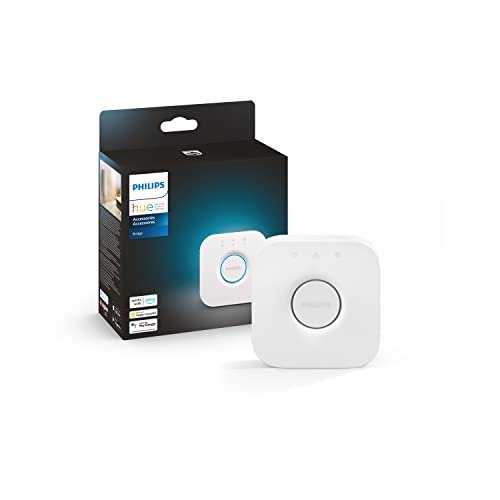
WHAT’S IN THE BOX: Includes one Hue Bridge that unlocks the full potential of your Philips Hue system, including automations, smart control from anywhere in the world, and so much more
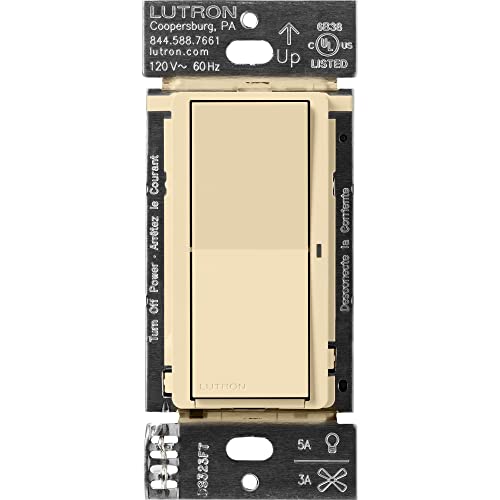
MOST CONNECTED: Caseta Lutron smart switch connects with more leading smart home devices - including Alexa, Apple Home, the Google Assistant, Ring, and Sonos - than any other smart light switch brand (Lutron Smart Hub, L-BDG2-WH, required)

Upgraded Govee Envisual Technology: The upgraded chip provides stronger performance with a fish-eye correction function, expanding the effective range to provide more accurate color-matching along the edges.
Overlooking Layered Lighting
Editor’s Choice

Govee 100ft RGBIC LED Strip Lights, Smart LED Lights Work with Alexa and…


Govee RGBIC LED Strip Lights, 32.8ft Smart LED Lights for Bedroom, Bluet…

Led Lights for Bedroom 100FT Smart IC+RGB, Music Sync Color Changing Str…

PARTPHONER Traditional Table Lamp Set of 2, Rustic Farmhouse Table Lamps…

JONATHAN Y 6″ Black/Brass Gold 1-Light LED Wall Sconce Vanity Lighting, …
How To Choose Smart Lighting for Your Small Space
When it comes to smart lighting, beginners often make common mistakes that can affect both the look and feel of your home. Choosing the right smart lighting for small spaces can enhance your interior design while avoiding those pitfalls. Here are some key points to consider when selecting smart lighting for your home.
1. Size Matters
Understanding the size of your space is crucial. In small areas, oversized fixtures can feel overwhelming. Measure the dimensions of your room before selecting lighting. For example, a pendant light should typically hang about 30 inches above a dining table, allowing ample headroom while still providing enough light.
2. Consider the Lighting Layers
Layered lighting is essential to create a warm and inviting atmosphere. You should incorporate ambient, task, and accent lighting. Ambient lighting provides overall illumination, task lighting focuses on specific areas, and accent lighting highlights features. Use smart bulbs to adjust the brightness for each layer, allowing flexibility depending on the mood or activity.
3. Embrace Smart Features
Don’t skip out on smart features! Look for bulbs and fixtures that offer app control, voice activation, and automation options. These features allow you to set schedules, change colors, and control brightness with ease. For instance, smart bulbs can be programmed to gradually brighten in the morning, providing a gentle wake-up call.
4. Prioritize Energy Efficiency
Energy-efficient lighting saves you money on your electricity bill while being better for the environment. When shopping, look for LED smart bulbs, which use less energy compared to traditional incandescent bulbs. They also last longer, which means fewer replacements over time. Look for bulbs with a warm color temperature for a cozy feel in your living spaces.
5. Think Beyond Trends
While it’s tempting to follow the latest lighting trends, focus on what suits your style and needs. Trendy fixtures might look great now, but timeless designs will serve you better in the long run. Choose versatile pieces that can blend with future decor changes. Consider classic finishes like brushed nickel or matte black, which tend to complement various styles.
Pro Tip: When shopping for smart lighting, don’t forget to consider compatibility with existing smart home ecosystems. Ensure that your selected products work seamlessly with systems like Google Home, Amazon Alexa, or Apple HomeKit. This compatibility can make your life much easier and elevate your smart home experience!
Recommended Products

9" length x 3.9" width x 1.25" height. Linkable up to 20 units. ETL listed ensures that it is safe to use in interior locations.

【Ultra Bright】DC12V 400LEDs/m 3mm Width 16.4FT.Warm White:6000K. Flip Chip On Board LED strip(FCOB) .Compared with traditional 5050SMD 3528SMD light strips, FCOB light strips dense light-emitting units create a brighter, softer, spotless and more uniform light, avoiding black in the middle area.

【Ultra Bright and Uniform】DC24V 336LEDs/m 32.8FT Warm White 3000K. Flip Chip On Board LED strip(FCOB).Adopting high brightness LED as the light source to ensure the brightness while maintaining color consistency.Compared with traditional 5050SMD 3528SMD light strips, FCOB light strips dense light-emitting units create a brighter, softer, spotless and more uniform light.
2. Skipping Smart Features
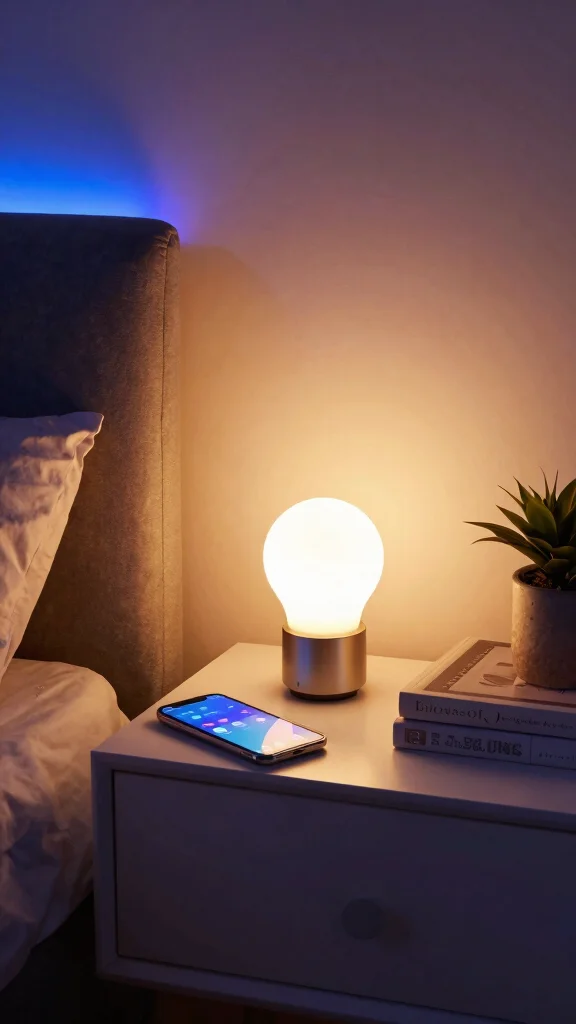
Ignoring the potential of smart features in your lighting setup is a common oversight for beginners. Smart lighting offers more than just convenience; it enhances your everyday living experience. By embracing features like scheduling, dimming, and color-changing options, you can create a lighting scheme that adapts to your needs. For example, using warm, dim lighting at night can signal relaxation, while bright lights during the day can energize your mood.
Explore the smart capabilities of your lighting system to maximize its benefits. Consider using smartphone apps or voice-activated controls to adjust your lighting effortlessly. You’ll find this not only adds convenience but also promotes energy efficiency. Take the time to set up features that match your lifestyle for a truly integrated lighting experience.
Implement these smart lighting features:
– Schedule lights to turn on and off at specific times
– Dim lights for mood-setting during evenings
– Use color-changing bulbs for different vibes
– Connect smart lighting with your voice assistants
Embracing smart lighting enhances comfort and convenience in your home. Utilizing advanced features helps create a tailored atmosphere that suits your daily activities.
Did you know 3 in 5 beginners skip smart features, missing scheduling, dimming, and color options? Those smart lighting mistakes waste energy and mood control—set warm, dimmed scenes at night and brighter hues by day for a practical mood boost.
Recommended Products
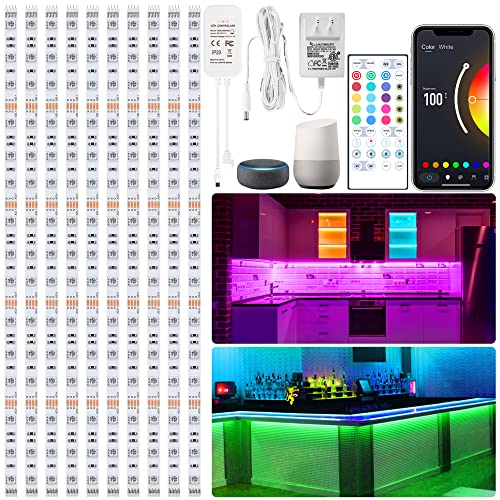
Voice Control: Hands-free Alexa and Google Assistant voice commands to control lights on and off, change colors, adjust brightness

LED Strip Lights for Indoor Lighting: Bedroom decor, gaming led lights, or dorm room decor these led WiFi lights install easily and discreetly, lighting effects perfect for holiday decorations; includes a power cord, plug, and mounting clips

Smart RGBIC Effects: RGBIC LED Strip lights for bedroom display multiple colors on one line at a time compared with traditional RGB lights. A colorful combination of LED strip lighting for bedroom brings a strong visual impact. (Not Support Alexa)
Skipping Smart Features
Editor’s Choice

Philips Hue Smart 75W A19 LED Bulb – White and Color Ambiance Color-Chan…

Kasa Smart Light Bulbs, 1000 Lumens High Brightness, 16M Color Changing,…

Linkind Smart Light Bulbs, Smart Bulb that Work with Alexa, Google Home,…

Linkind Matter GU10 Smart Light Bulbs, 40W 470LM Color Changing Light Bu…
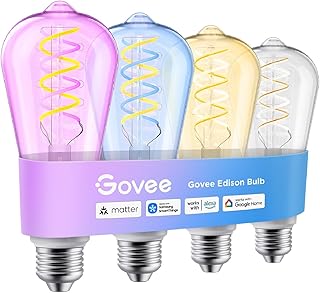
Govee Edison Bulbs, Smart Vintage Light Bulbs, RGB Color Changing and Tu…
3. Ignoring Energy Efficiency
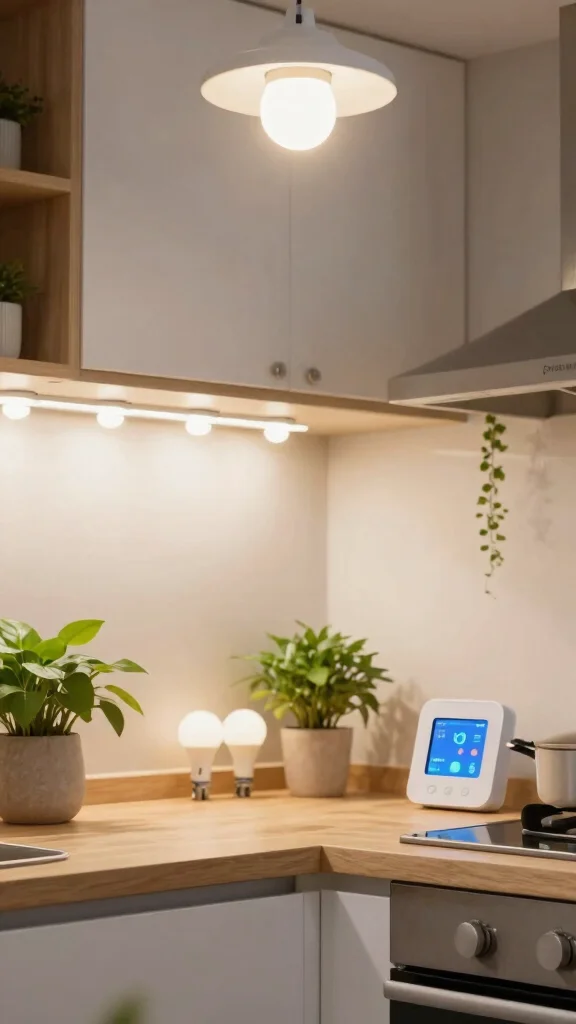
Choosing energy-efficient lighting is essential for a sustainable lifestyle, yet many beginners overlook this aspect. Opting for energy-saving options like LED smart bulbs can significantly lower your energy consumption. These bulbs not only help reduce your electricity bill but also contribute to a greener planet. In smaller spaces, where lighting is crucial, the savings can truly add up over time.
Incorporating smart sensors that automatically turn off lights when a room is unoccupied is a simple yet effective strategy to save energy. Research and select energy-efficient lighting options that align with your budget and lifestyle. Every small change you make contributes to a more eco-friendly home, leading to long-term benefits for both you and the environment.
Consider these energy-efficient strategies:
– Choose LED smart bulbs for lower energy consumption
– Install motion sensors to control lighting automatically
– Use timers to manage lighting schedules
– Explore solar-powered lights for outdoor spaces
Prioritizing energy efficiency not only conserves resources but also enhances your home’s overall functionality. Selecting the right materials and technologies enriches your living environment while being kind to the planet.
Recommended Products


High Efficiency: Utilizing advanced power conversion technology, the Orion-Tr DC DC Converter series achieves high efficiency, minimizing energy loss and heat generation.

Ignoring Energy Efficiency
Editor’s Choice

Linkind Smart Light Bulbs, Smart Bulb that Work with Alexa, Google Home,…

Philips Hue Essential Smart LED A19 Bulb, White and Color Ambiance, E26 …

Tapo TP-Link Smart Light Bulbs, 16M Colors RGBW, Dimmable, Compatible wi…

Kasa Smart Motion Sensor Switch, Single Pole, Needs Neutral Wire, 2.4GHz…

Lutron Maestro Countdown Timer Switch for Fans and Lights, Timer Switch …
4. Misplacing Fixtures
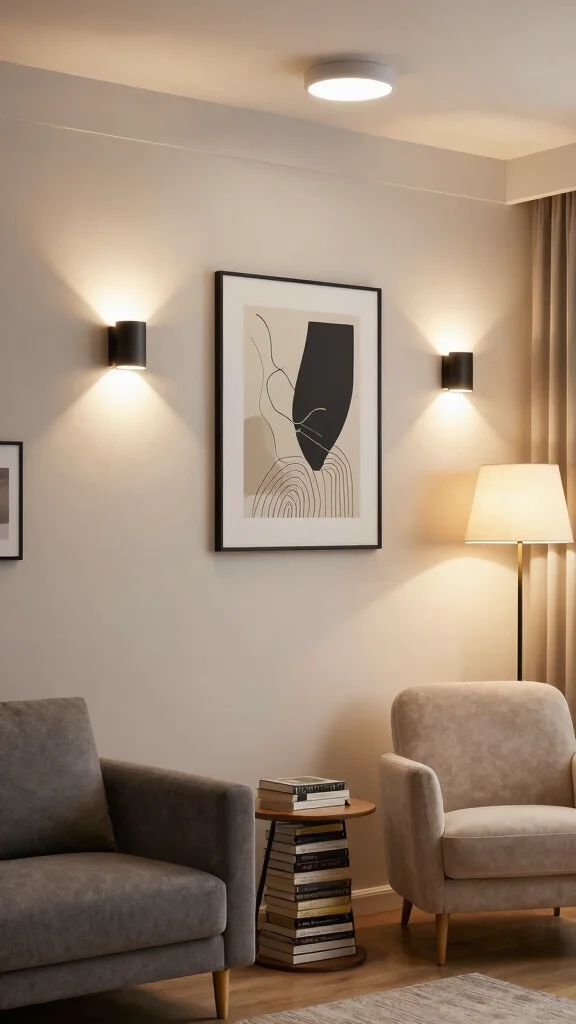
The placement of lighting fixtures plays a crucial role in creating the perfect ambiance. Beginners often make the mistake of misplacing lights, resulting in unwanted shadows or overly bright spots that disrupt the flow of a room. Thoughtful placement can significantly enhance your space’s functionality and aesthetic appeal.
Strategically position lamps to illuminate tasks effectively without causing glare on screens or shining directly into your eyes. Ensure overhead lights are centered to provide even coverage across the room. In smaller areas, consider wall-mounted fixtures that save space while providing ample light. Be mindful of how shadows shift throughout the day, as this can guide your decisions on fixture placement.
Follow these tips for optimal fixture placement:
– Center overhead lights for even room illumination
– Position task lamps to minimize glare
– Use wall-mounted lights in compact areas
– Experiment with different arrangements for best results
Thoughtful fixture placement enhances both functionality and style in your home. Balancing light sources creates a harmonious atmosphere that invites comfort and relaxation.
Smart lighting mistakes happen when fixtures aren’t placed thoughtfully. Misplacing lamps can create unwanted shadows and glare in small spaces. Place overhead lights centered, add task lamps, and you’ll see a room come alive—with less clutter and more calm.
Recommended Products

Higher Brightness: With over 1000 lumens (120V), these smart bulbs can brighten large space for your home. Get high brightness (75W Equivalent) and vibrant colors(CRI90+) while saving more on your energy bill.


16 Million DIY Colors: Govee smart light bulbs own millions of color and 54 preset scene modes, you can explore your favored one or pick one suits your moods most, bringing yourself a real fantastic lighting experience(Working Voltage: AC 120V).
Misplacing Fixtures
Editor’s Choice

AVV Bedroom Sconces Set of 2, Wall Mounted Bedside Lamps with USB Port, …

TRLIFE Modern Wall Sconces, Dimmable Wall Sconces Set of 2 Wall Mounted …

ASD 12 Inch Indoor LED Wall Sconce – 12W 2700K-5000K Dimmable Brushed Ni…

Indoor Wall Sconce, Half Cylinder Wall Light Fixture, 3000K 4000K 5000K …

ZAGO 24 Inch LED Indoor Linear Wall Sconces Set of Two, 3CCT Switchable,…
📹 Related Video: How To Light A Space | Mistakes, Rules + Lighting In Interior Design
5. Being Too Trendy
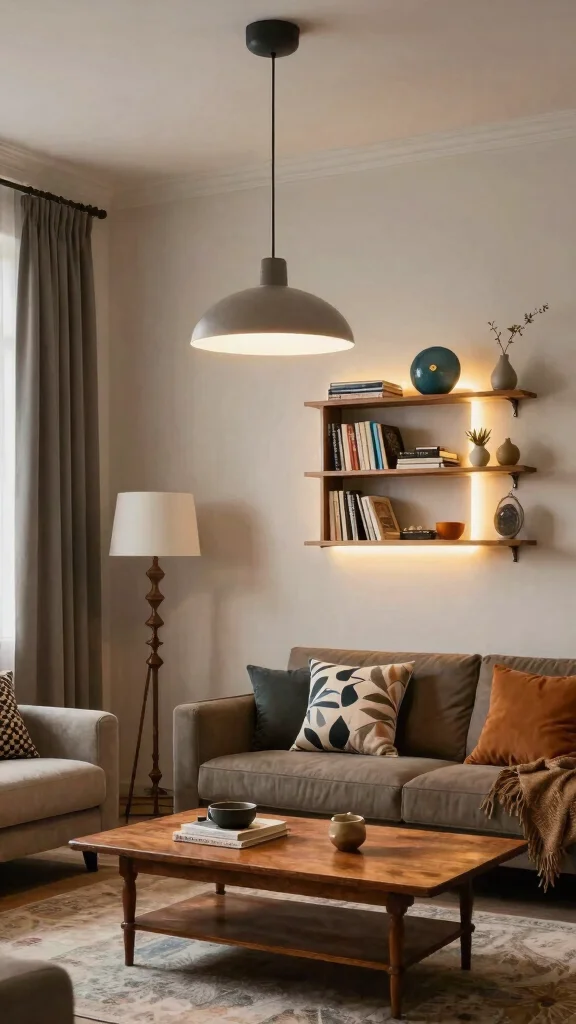
Incorporating current trends into your home decor can be exciting, but it’s essential to avoid going overboard. A common mistake for beginners is choosing trendy lighting fixtures that may clash with their personal style or the overall design of their space. Before diving into the latest trends, assess your existing decor to determine what truly complements it.
Opting for timeless designs or versatile fixtures can save you from the hassle of redoing your lighting every few years. Instead of chasing every trend, think about blending modern elements with classic pieces to create a cohesive look. Focus on what makes you feel comfortable and happy, allowing your personality to shine through in your lighting choices.
Keep these tips in mind when choosing lighting fixtures:
– Select timeless designs that match your decor
– Mix modern pieces with classic lighting styles
– Consider versatile colors and materials for longevity
– Prioritize comfort and personal expression in your choices
A thoughtful approach to lighting ensures that your home reflects your unique style. Balancing trends with timeless elements enhances your space’s overall appeal, creating a welcoming atmosphere.
Fun fact: About 60% of trendy lighting goes out of style within a year or two. The fix? Opt for timeless designs to sidestep smart lighting mistakes and keep a small space feeling cohesive and calm.
Recommended Products

CONTROL YOUR WAY: Caseta smart switches let you control your lights your way: from the wall, with the free Lutron app, or using your voice. Easily set schedules or activate scenes with the touch of a button (Caseta Smart Hub required)

CONTROL YOUR WAY: Caseta smart switches let you control your lights your way: from the wall, with the free Lutron app, or using your voice. Easily set schedules or activate scenes with the touch of a button (Caseta Smart Hub required)
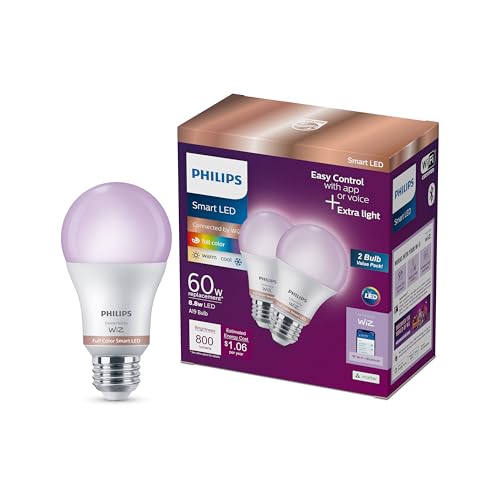
CONVENIENT SMART LIGHTING: Control lights using the WiZ app, the WiZ remote, or with voice commands to Alexa, Google Home, or Siri to manage your home lighting from anywhere
Being Too Trendy
Editor’s Choice

Regency Hill Xavier Traditional Accent Table Lamp 21″ High Warm Bronze B…

Regency Hill Traditional Style Table Lamp 28.5″ Tall Carved Two Tone Bro…

Classical Tiffany European Style Table Lamp Fabric Drum Shade and Gold B…

Kenroy Home 30437BRZ Spyglass Table Lamp with Bronze Finish, Classic Sty…

Bankers Lamp, Green Desk Lamp with Brass Finish, Classic Table Lamp with…
Conclusion
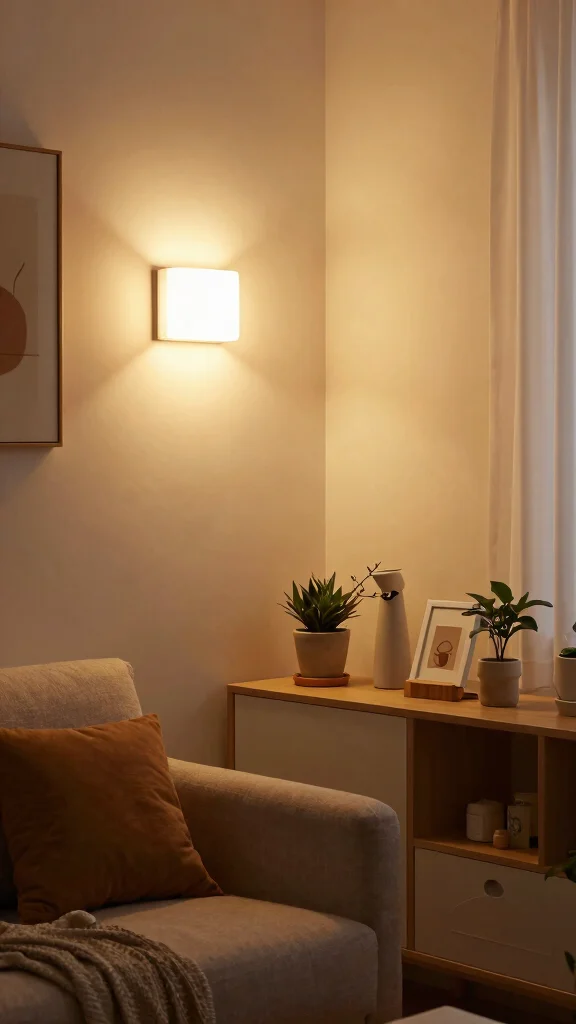
Navigating the world of smart lighting can be tricky, especially for beginners. By avoiding these common smart lighting mistakes, you’ll be well on your way to designing a cozy, energy-efficient, and beautifully lit space. Remember to embrace layered lighting, utilize smart features, prioritize efficiency, and choose your fixtures wisely. Your small space deserves to shine!
Note: We aim to provide accurate product links, but some may occasionally expire or become unavailable. If this happens, please search directly on Amazon for the product or a suitable alternative.
This post contains Amazon affiliate links, meaning we may earn a small commission if you purchase through our links, at no extra cost to you.
Recommended Products
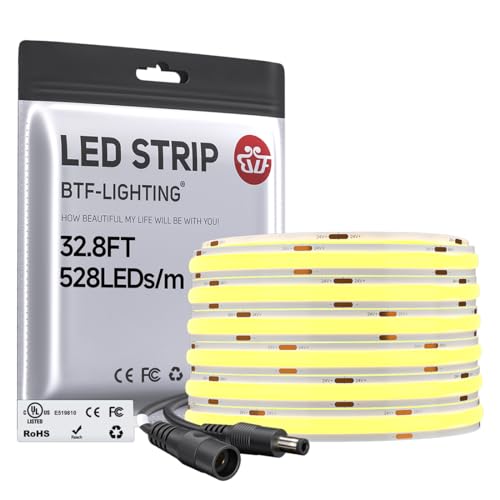
【Ultra Bright and Uniform】DC24V 528LEDs/m 32.8FT Warm White 3000K. Flip Chip On Board LED strip(FCOB).Adopting high brightness LED as the light source to ensure the brightness while maintaining color consistency.Compared with traditional 5050SMD 3528SMD light strips, FCOB light strips dense light-emitting units create a brighter, softer, spotless and more uniform light.

【Ultra Bright and Uniform】DC12V 336LEDs/m 16.4FT Warm White 3000K. Flip Chip On Board LED strip(FCOB).Adopting high brightness LED as the light source to ensure the brightness while maintaining color consistency.Compared with traditional 5050SMD 3528SMD light strips, FCOB light strips dense light-emitting units create a brighter, softer, spotless and more uniform light.
【Ultra Bright and Uniform】DC12V 336LEDs/m 16.4FT Warm White 2700K. Flip Chip On Board LED strip(FCOB).Adopting high brightness LED as the light source to ensure the brightness while maintaining color consistency.Compared with traditional 5050SMD 3528SMD light strips, FCOB light strips dense light-emitting units create a brighter, softer, spotless and more uniform light.
Frequently Asked Questions
What are the most common smart lighting mistakes beginners make in small spaces?
In small spaces, beginners often stumble into smart lighting mistakes that flatten the room.
For example, overlighting with a single ceiling fixture, skipping layered lighting, and not using dimmers or scenes.
Harsh color temperatures can clash with your decor, and fixtures that are too large for the space can feel bulky.
To fix this, start with lighting design ideas that layer ambient, task, and accent lighting. Use dimmable, energy-efficient lighting with adjustable warmth, place task lights where you actually read or work, and add subtle accent lights to highlight art or architecture.
Pair your setup with home lighting tips and smart home technology so you can dial moods and schedules. This approach helps avoid interior design mistakes and keeps the room feeling open and inviting.
How can I layer ambient, task, and accent lighting in a small space to avoid interior design mistakes?
Layering correctly is a game changer in small rooms.
Start with a soft ambient light to illuminate the whole room, add a task light at desks or reading corners, and finish with subtle accent lighting to bring in depth.
In tiny spaces, choose compact fixtures that fit the scale and use smart dimmers or bulbs to adjust brightness.
This is where lighting design ideas really shine and where you can avoid interior design mistakes.
Use energy-efficient lighting LEDs and connect them to your smart home technology so you can create scenes for work, relax, and entertaining with a tap or a voice command. Keep cables tidy and aim for proportional lighting across zones.
How can I keep energy-efficient lighting warm and inviting in a small room?
Warmth isn’t sacrificed with energy-efficient lighting.
Choose LEDs in the 2700K–3000K range with a high CRI for color accuracy.
Use dimmable bulbs so you can soften brightness for evenings, and add a lamp or two to create cozy pools of light.
Layer ambient, task, and accent lighting to prevent a flat look, and use lighting design ideas like wall sconces and under-cabinet strips to spread light evenly.
When you pair energy-efficient lighting with smart controls, you’ll still have mood-worthy scenes without wasting energy. These small tweaks fit large decor dreams in line with home lighting tips and energy-conscious living.
What are beginner-friendly smart lighting ideas that make a small space feel premium?
Start with a few smart bulbs or a small kit and build up.
Use scenes like ‘Relax’, ‘Focus’, and ‘Movie’ to switch moods instantly.
Choose sleek fixtures like wall sconces or hidden LED strips that add glow without bulk.
Use smart home technology to automate routines, and pair with simple voice commands for ease.
Scan the room for focal points and highlight them with a subtle accent layer.
These lighting design ideas help you achieve a high-end look without a complicated setup, keeping the vibe cozy and energy-efficient. This is a great way to apply home lighting tips in practice.
How do I set up a simple, affordable smart lighting system without breaking the bank?
Keep it simple and targeted.
Start with 2–4 smart bulbs in key zones (living area, desk, bedside) and ensure they’re compatible with your Wi‑Fi or hubless setup.
Look for multipacks to save money and choose energy-efficient lighting LEDs with good CRI.
Check that your bulbs work with your preferred smart home technology platform and offers schedules or scenes.
Avoid over-automation, especially in small spaces, which can feel cluttered.
As you grow, add a second lamp or shelf lighting to expand your layers while staying within budget and the home lighting tips framework.
This approach keeps things affordable and practical.
Recommended Products
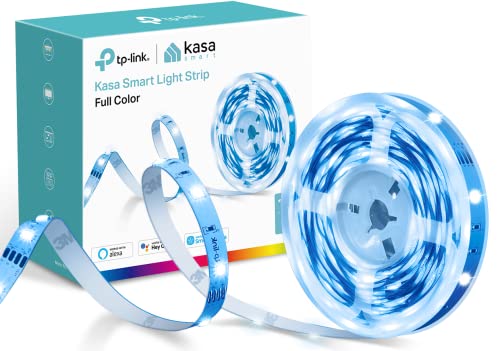
[High brightness & saturation] The 16.4ft LED light strip features customization up to 16 million colors with high brightness & saturation for the best lighting throughout your home.

Warm White and Daylight White : Dimmable Under Cabinet Lights Plug-in LED Strip Lights for kitchen, 6 PCS pre-cut LED lights strip. White cabinet light Suitable for DIY your kitchen, cabinet, closet, counter, shelf, TV back, showcase and anywhere you want

Hands-Free Voice Control: The Smart RGB LED Light Strip work with both Alexa & Google Assistant. Free up your hands and power your lights on and off, change colors, or adjust brightness with simple voice commands.
Related Topics
smart lighting mistakes
home lighting tips
interior design mistakes
smart home technology
energy-efficient lighting
small spaces
beginner friendly
lighting design ideas
budget friendly
modern decor
quick tips
lighting solutions